
Reviewed · COMMUNIST HISTORY TOURS
Lives of Hungarians Under Communist and Capitalist system
Hungary’s Communist past comes into focus through ordinary subjects here: passports, apartments, school, church, cars, sport, and the small choices people made to get through each day. The guides lived through the era, so the tour brings history down from the textbook and onto Budapest’s streets, including the bullet marks left by the 1956 uprising.
I like the personal viewpoint and the way the route connects big events with daily life. I also like the useful finish at Parliament, where you hear about 1956 while seeing physical traces of the fighting. The main consideration is the payment model: the $4.65 booking fee is only an administrative charge, and you are encouraged to tip the guide, with €10 per person given as the usual amount.
Key points to know before you book
- Personal stories from the Communist era: Guides who lived through the period explain what changed after 1989 and what did not.
- A practical route through central Budapest: The walk runs from Budapest Eye to Parliament, with stops at St. Stephen’s Basilica, Szabadság tér, and nearby streets.
- Daily life takes center stage: You hear about travel papers, housing, health care, education, media, religion, cars, and Olympic sport.
- 1956 gets serious attention: The final stop covers the uprising, its heroes, childhood memories, and bullet holes near Parliament.
- The real price includes a tip: The advertised $4.65 booking fee does not pay the guide. Plan for a voluntary tip, commonly around €10 per person.
- A compact afternoon walk: The stated duration is about 1 hour 30 minutes, though one stop description refers to a two-hour route, so leave some flexibility.
Why this Budapest Communism tour is different
Many history walks lead you from monument to monument. This one uses Budapest’s center as a classroom for questions you might not think to ask: How did people travel abroad? What did a family need to obtain an apartment? How did religion survive state control? Why do some Hungarians feel nostalgia for a system that sharply limited freedom?
That focus makes the experience useful for anyone who wants more than dates and political slogans. You will hear about Hungarian Communism and the post-Communist period together, rather than treating 1989 as a clean finish line.
The guides’ own memories matter. A guide who grew up under the system can explain the difference between official propaganda and family life in a way a plaque cannot. You should still expect personal interpretation rather than a university lecture. That is part of the appeal, but it also means the quality depends on how clearly your particular guide separates personal memory, public history, and political opinion.
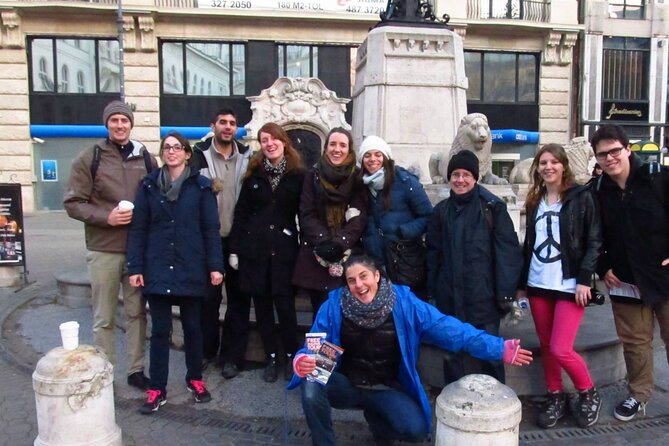
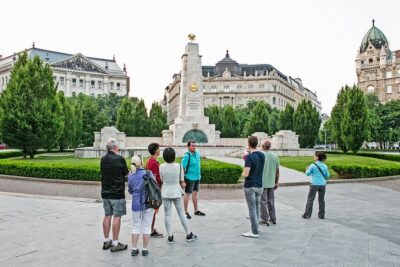
The group maximum is 20 people. That is not an intimate private walk, but it is small enough for a guide to keep the group together on busy central streets and answer some questions. The tour uses free public locations, so you are paying for the explanation and conversation, not museum admission.
More communist-era history walks:
- Budapest: Communist History Tour with House of Terror Option
★ 4.8 · 182 reviews - Communism in Hungary with a Historian
★ 5.0 · 70 reviews - Budapest: 3-Hour Walking Tour About Communism (Small Group)
★ 4.7 · 70 reviews
Starting near the Budapest Eye
Meet about 20 meters from the Budapest Eye in Erzsébet tér at 3:30 pm. This is a central, easy-to-find point, but the area can be busy, so arrive with enough time to locate the guide rather than cutting it close.
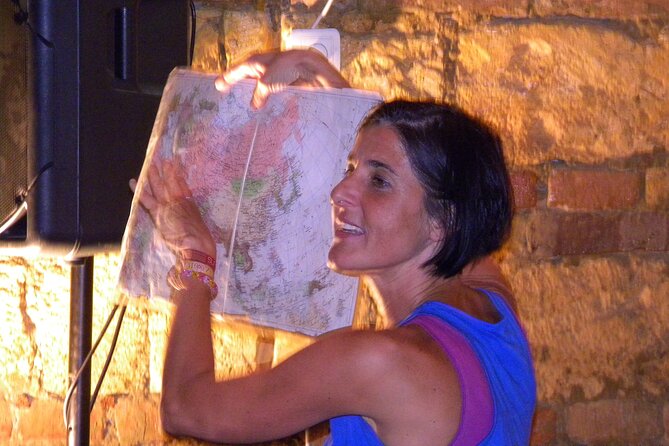
The opening section gives you a short interactive history lesson about Hungarian and Central European Communism. That introduction is important because Hungary’s experience was not identical to that of every other country in the region. You get the basic political setting before the walk turns to passports, homes, churches, and personal routines.
I like this kind of start because it gives the rest of the route a framework. Without it, a discussion of old cars or travel documents could feel like a collection of curiosities. With it, those details show how a political system reached into ordinary life.
The wording for this opening describes a 15-minute lesson, followed by the route. Since the overall duration is listed as about 90 minutes, you should expect a brisk experience rather than a long stop at each location. One itinerary description also refers to a two-hour tour, so allow extra time if your schedule is tight after the walk.
Fröccsterasz and the rules of travel
At Fröccsterasz, the subject shifts to travel in and out of Hungary. You will see basic travel documents and hear how movement worked under Communism. This is one of the most practical parts of the tour because it shows freedom of movement in terms of paperwork, permission, and access, not just political theory.
The stop also covers familiar Communist-era cars and other forms of transportation. That may sound light compared with the 1956 uprising, but objects such as cars can explain social status and scarcity quickly. A vehicle was not simply a way to get from one place to another. It could reveal what was available, what required patience, and how different daily life felt from the present.
This stop lasts about 10 minutes. You will not get a full transport museum visit, and there is no admission included because the group remains in public areas. Instead, think of it as a short, concrete lesson that helps you picture ordinary routines.
St. Stephen’s Basilica and religious life
The stop at St. Stephen’s Basilica looks at religion under Communism. You will hear about the difficulties faced by different denominations and how religious practice varied from one family to another.
That family-by-family approach is valuable. State policy is one thing, but people did not all respond in the same way. Some families kept religious customs private. Others may have reduced their public involvement. The key point is that religious life did not disappear into one simple story.
The basilica also gives the discussion a strong setting. You are considering the relationship between faith and the state beside one of Budapest’s most important churches. The itinerary allocates about 15 minutes here, enough for a focused explanation but not a full architectural tour.
If you are mainly interested in church interiors, this is not designed as a basilica sightseeing visit. The emphasis is on religious experience during Communism. You will get more from it if you listen for the personal and social effects rather than waiting for a detailed account of the building.
Same city, a completely different way to spend an afternoon:
- Budapest: City Highlights Cruise with Welcome Drink
★ 4.6 · 35,610 reviews - Budapest: Unlimited Prosecco, Beer and Aperol Spritz Cruise
★ 4.8 · 25,310 reviews - Budapest: Széchenyi Spa Day Ticket with Optional Upgrades
★ 4.3 · 23,911 reviews - Budapest: Nighttime or Daytime Sightseeing Cruise
★ 4.2 · 21,062 reviews
Inner City streets, where policy meets daily life
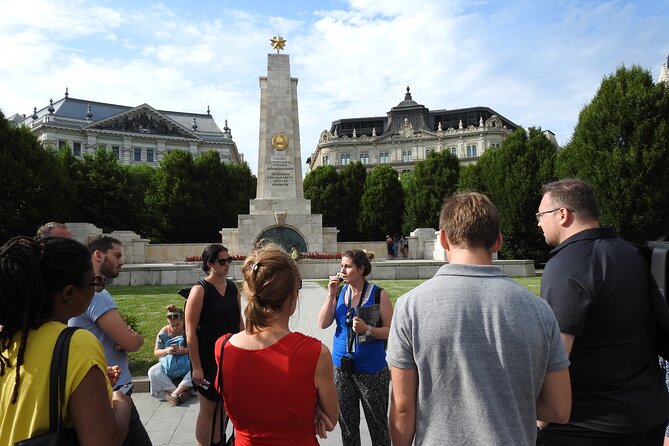
The District V and Inner City section is the broadest part of the walk. It covers housing, health care, education, media, propaganda, sport, the Olympic Games, and post-Communist change. The guide also explains why some people feel nostalgia for Communism.
This is likely the part that best explains the tour’s title. You are not only learning what the government did. You are looking at how a system shaped the things people needed every day.
Housing can reveal how families lived and how difficult it was to find space. Health care and education show the public services people remember, while media and propaganda point to the limits placed on information. Sport and the Olympic Games add another angle, since international competition could become a source of national pride even when political freedom was restricted.
The discussion of nostalgia is especially useful. It does not require you to accept nostalgia as proof that Communism worked well. Instead, it helps you ask what people may be remembering: predictable prices, employment, public services, or a sense of order. You can then set those memories beside censorship, limited travel, and political control.
This 20-minute stop covers a lot. Do not expect a separate lecture on every topic. The value comes from the connections between them and from the guide’s ability to explain how the Communist and capitalist periods compare in everyday terms.
Szabadság tér and Budapest’s contested symbols
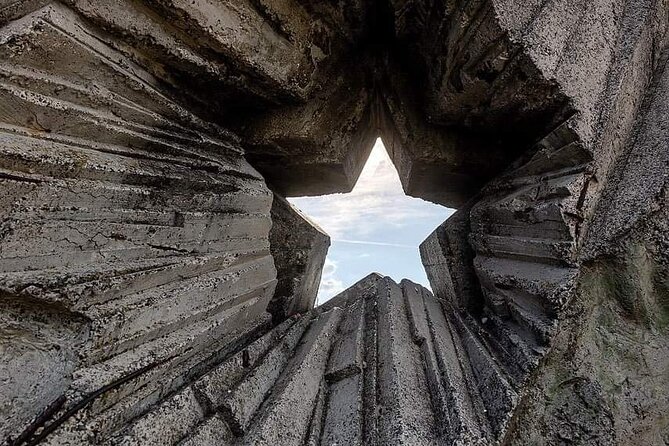
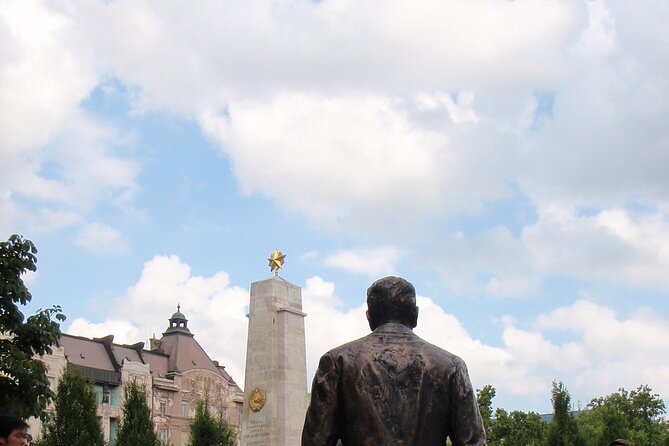
Szabadság tér brings monuments and political memory into the open. The guide shows two controversial monuments, urban art guerrilla statues, and the emergency exit of the F4 military nuclear bunker.
You also hear about the second most guarded building in Budapest, which sheltered a prominent Hungarian person for more than 15 years. The information provided does not identify that person, so you should treat this as a story the guide explains on site rather than arriving with a fixed expectation about the name.
This is a strong location for a discussion about public memory. Monuments do not simply record the past. They also show which version of the past a government or community wants people to see. The contrasting monuments and unofficial urban art give you a chance to consider how Budapest deals with disputed history.
The stop is short, about 10 minutes. You will see the outside features and hear their meaning, but this is not a bunker tour or an extended art walk. The emergency exit is a historical detail, not an invitation to enter the military facility.
Parliament and the 1956 uprising
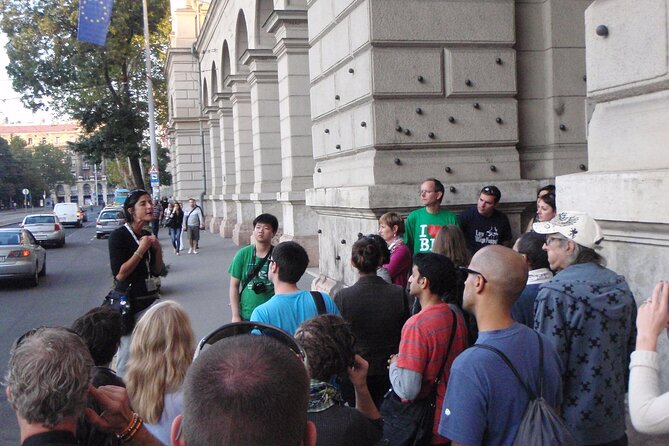
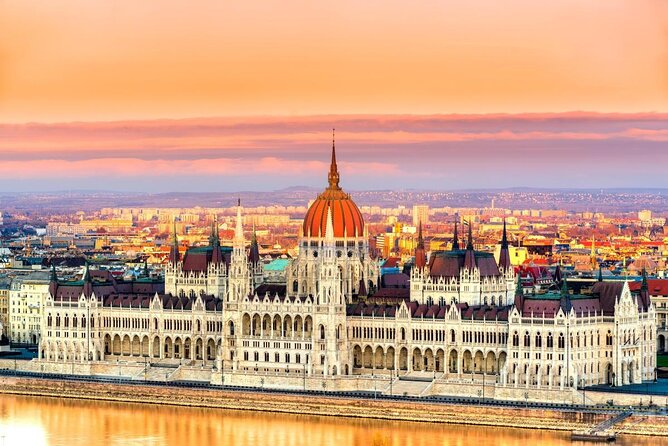
The final stop is at the Hungarian Parliament Building on Kossuth Lajos tér. Here the focus turns to the 1956 uprising, its heroes, and the experience of living through the Revolution as a child.
You will also see bullet holes on the fronts of some residential buildings around Parliament. That physical evidence gives the story weight. You are no longer dealing only with a political timeline. You are looking at the places where violence touched homes and neighborhoods.
The 1956 section lasts about 15 minutes and is one of the most important parts of the route. The guide explains the uprising in greater detail than the earlier history introduction, while personal memories help show how the event could look to a child or an ordinary family.
The ending is practical, too. The tour finishes about 50 meters from Budapest’s M2 red metro line, making it easy to continue sightseeing or return to your accommodation. You are left near one of Budapest’s most important landmarks, but the main experience is the story attached to the square and the surrounding buildings.
The tip-based price and what you really pay
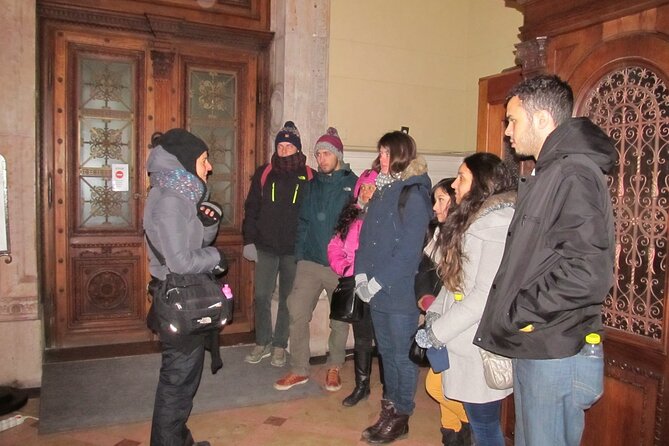
The $4.65 per-person charge is attractive, but it is not the guide’s full payment. It is an administrative and marketing fee that guarantees your place. Tips are not included, and the guides depend on donations at the end.
The usual suggested amount is €10 per person, with some people giving more. That means you should judge the experience using the likely tip as well as the small booking fee. At roughly €10 plus the booking charge, the walk can still be good value if you want a personal introduction to Hungarian history without paying museum admission or a large tour fee.
This model also changes the decision slightly. You are not buying a fixed-price package with many included extras. You are reserving a place for a guide-led walk through free public spaces, then deciding what the explanation was worth.
I would bring cash in euros or the payment method the guide accepts, though the supplied details do not specify how tips are collected. The safest planning assumption is that you will want to tip at the end if the guide gives you the personal, balanced explanation promised by the format.
The experience has a 4.9 rating from 59 ratings and is recommended by 97 percent of the people who rated it. Those numbers suggest strong satisfaction, but they do not remove the main variable: your guide’s storytelling style and your own interest in modern history.
Who will get the most from this walk?
I would choose this tour if you want to understand Budapest through the lives of its residents. It suits adults, older children, and teenagers who have studied Communism at school but need real examples to make the subject clearer. One family found the guide’s personal account especially useful for bringing a difficult chapter of history to life for teenage children.
It also works well early in a Budapest visit. The route gives you social and political context that can sharpen what you notice later in museums, monuments, and neighborhoods.
You may want something else if you prefer a fast list of major sights, an architectural tour, or a visit inside historic buildings. Most of the route takes place outdoors, and the stops are discussion points rather than admission-based attractions.
The subject can also be emotionally and politically serious. The guide aims for a balanced explanation of Communism and post-Communism, but personal history is never completely neutral. Go ready to listen, ask careful questions, and separate one person’s memories from the whole country’s experience.
Timing, group size, and simple planning advice
The start time is 3:30 pm. The finish at Parliament puts you near public transportation, especially the M2 red metro line, so the timing can work well as an afternoon activity.
The route is approximately 1 hour 30 minutes. Since one description refers to a two-hour itinerary, avoid booking a timed dinner, train, or museum entry immediately afterward. A little spare time will make the walk less stressful.
Your mobile ticket is confirmed at booking, and most people can participate. Service animals are allowed, and the meeting point is near public transportation. The supplied information does not describe the walking surface, seating, or restroom access, so plan for a continuous outdoor walk and wear sensible shoes.
The maximum group size is 20. If you want the most personal exchange, stand close enough to hear clearly and ask questions during natural pauses. The walk is short enough that losing the group for a moment could mean missing a key explanation.
Free cancellation is available if you cancel at least 24 hours before the local start time. Changes or cancellations inside that window are not accepted for a refund.
Should you book Lives of Hungarians Under Communist and Capitalist system?
Book it if you want human-scale history: travel documents, homes, religion, education, propaganda, cars, and childhood memories tied to real Budapest places. The best reasons to choose it are the guides’ lived experience, the clear attention to 1956, and the chance to understand why memories of Communism can be both critical and nostalgic.
Think twice if you want interiors, a museum visit, or a longer and more academic treatment of each subject. The route moves quickly, the group can reach 20 people, and the tip-based model means the $4.65 price is not the entire cost.
For most visitors interested in modern Hungary, I would consider it a useful afternoon walk. Plan on about 90 minutes, keep some flexibility because of the conflicting duration wording, and budget for a tip of around €10 per person. You will finish at Parliament with more context for the city than a standard sightseeing loop can provide.
FAQ
Where does the tour start?
The meeting point is about 20 meters from the Budapest Eye in Erzsébet tér, Budapest 1051, Hungary.
Where does the tour finish?
The tour ends at the Hungarian Parliament Building at Kossuth Lajos tér 1-3, Budapest 1055, Hungary.
What time does the tour start?
The scheduled start time is 3:30 pm.
How long does the experience last?
The stated duration is approximately 1 hour 30 minutes. One itinerary description refers to a two-hour route, so allow extra time if you have plans afterward.
What is included in the price?
The booking fee is included. It covers administration and does not contribute to the guide’s earnings.
Are tips included?
No. Tips are not included, and the guides depend on donations at the end. Most people tip €10 per person, though the amount is your choice.
How much does the booking fee cost?
The listed price is $4.65 per person.
What subjects does the tour cover?
The tour covers Communist and post-Communist Hungary, travel, documents, cars, transportation, religion, housing, health care, education, media, propaganda, sport, the Olympic Games, nostalgia for Communism, and the 1956 uprising.
Is the tour suitable for most people?
Most people can participate. Service animals are allowed, and the meeting area is near public transportation.
How many people can join the tour?
The maximum group size is 20 people.
Can I cancel for a full refund?
Yes, if you cancel at least 24 hours before the experience start time. Cancellations or changes made less than 24 hours before the start are not accepted for a refund.
Just added around Budapest
- Budapest: Private, Personalized Pub Crawl, 3 drinks included★ 4.5 · 3 reviews
- Private day trip from Budapest to Bratislava, Vienna, and back★ 3.5 · 3 reviews
- Budapest: Private Adventure Sightseeing Bicycle Tour★ 4.5 · 3 reviews
- Private Danube Bend tour – full day★ 4.5 · 3 reviews
- Budapest: Guided City Walking Tour in Buda and Pest★ 5.0 · 3 reviews
- Budapest Old Jewish Quarter History Private Walking Tour★ 5.0 · 3 reviews
- Lake Balaton Full Day Private Wine Tour★ 5.0 · 3 reviews
- Budapest Urban Feast – Food Tour with Wine Tasting & Coffee House★ 4.5 · 3 reviews
Communist History Tours, compared.
Communist History Tour with House of Terror Option
Read our review →
3-Hour Walking Tour About Communism (Small Group)
Read our review →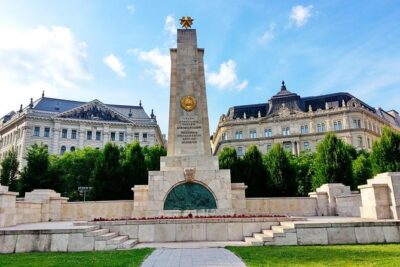
Private Budapest Hammer & Sickle Communist Times Tour
Read our review →
Communist History Evening Walking Tour of Budapest
Read our review →Browse the lists this tour appears in