
Reviewed · COMMUNIST HISTORY TOURS
Budapest: 3-Hour Walking Tour About Communism (Small Group)
Budapest’s Communist past is not locked inside a museum. It is written into bullet holes, statues, squares, and ordinary buildings around central Pest. This three-hour walk connects those clues to Hungary’s road from World War II through the 1956 revolution, the late socialist years, and the changes of 1989.
I like two things in particular. First, the historian guides explain Communist ideology and daily life together, rather than giving you a list of dates. Second, the family stories make the subject human, with both hard realities and the dark humor people used to get through them. The main consideration is that the tour covers a lot of history, so anyone wanting a strictly chronological account may find the discussion sometimes broad and conversational.
Key points at a glance
- Personal history, not just political theory: Family stories show what Communist rule felt like at home, at work, and in public.
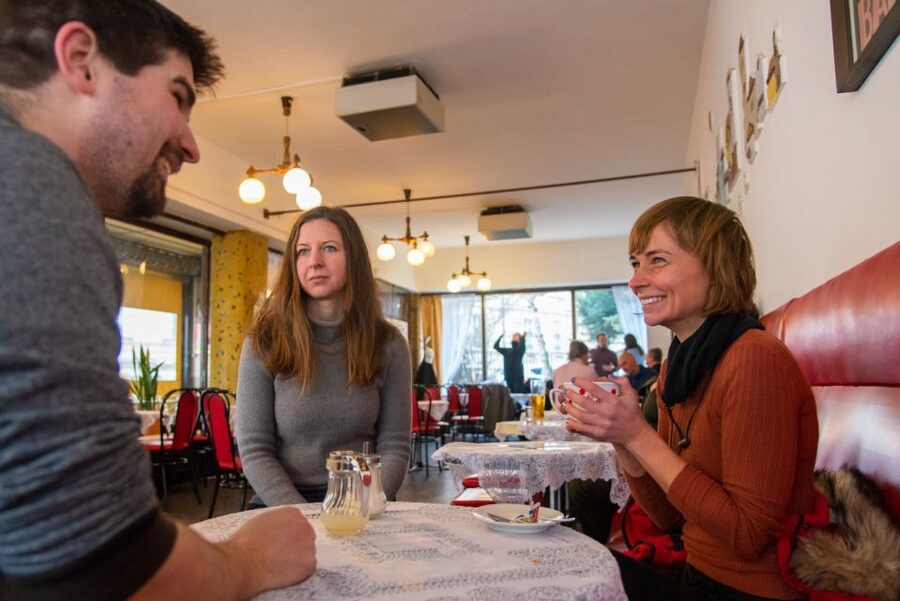
- A retro café from 1961: The included drink gives you time to talk and see a place that has changed little since the socialist era.
- Central Pest as the classroom: Monuments, street details, old buildings, and bullet holes help connect past events to the city you see today.
- The red M2 subway ride: A transportation ticket is included, adding a useful local detail to the walking route.
- Small groups of up to 10: The format suits questions and discussion, especially on a subject with political and personal edges.
- A strong choice for serious history fans: Guides including Judit, Greg, Zsuzsanna, Virág, Monica, Dániel, and Gergely have been praised for clear explanations and warm conversation.
Starting at Deák tér, where Budapest’s recent past is close by
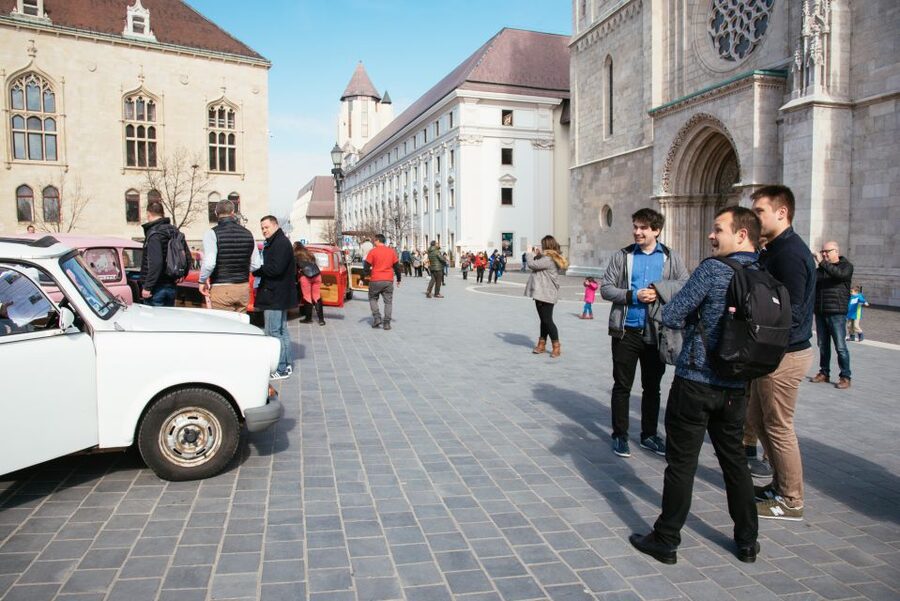
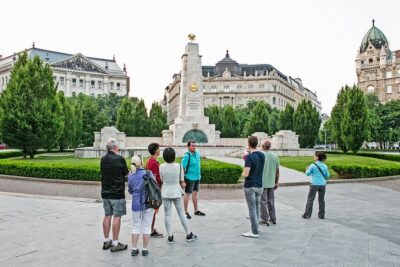
The tour begins in front of the Kempinski Hotel Corvinus Budapest, facing the Ferris wheel on Erzsébet Square. This is Deák Ferenc tér, one of the easiest places in Budapest to reach, with M1, M2, and M3 subway lines, plus several buses and trams.
That easy meeting point matters. You do not need to cross the city for an early tour, and the square gives you a useful central reference point before the walk begins. You are in Pest, not across the river in the Buda hills, and the route stays in one of the city’s most pleasant central areas.
From here, the guide sets the scene. The Communist period did not appear out of nowhere, so the opening discussion reaches back through World War II and the forces that shaped Hungary before and after it. You will then move toward the postwar takeover, the system’s years of control, the 1956 uprising, and the gradual changes that led to the end of one-party rule.
I appreciate this broader frame because Communism in Hungary can be misunderstood if it is treated as a sealed-off chapter. The tour aims to explain its arrival, its operation, and its legacy. That gives you a better way to read the city for the rest of your stay.
More communist-era history walks:
- Budapest: Communist History Tour with House of Terror Option
★ 4.8 · 182 reviews - Communism in Hungary with a Historian
★ 5.0 · 70 reviews - Budapest Hammer & Sickle Communist Times Tour
★ 4.5 · 68 reviews
Reading Budapest’s streets through war, revolution, and one-party rule
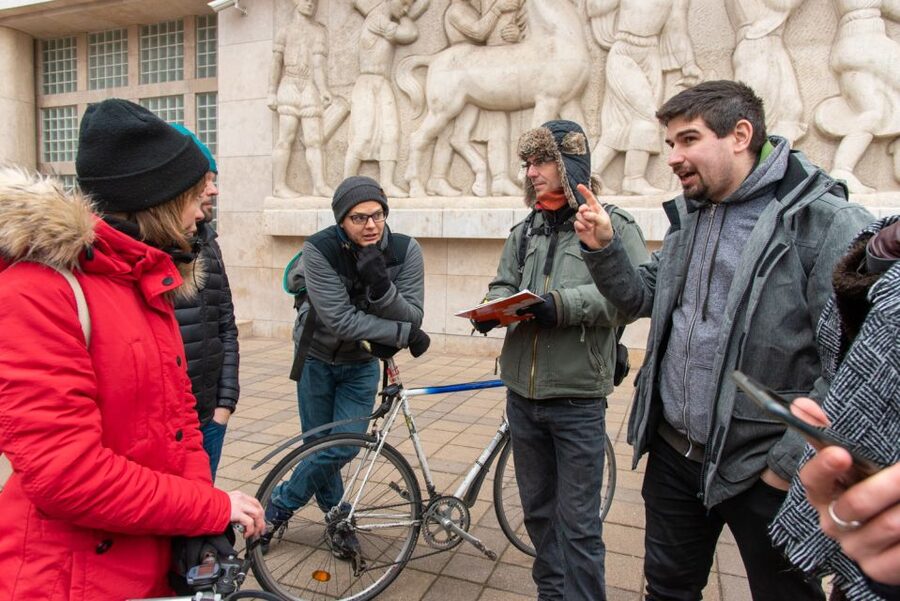
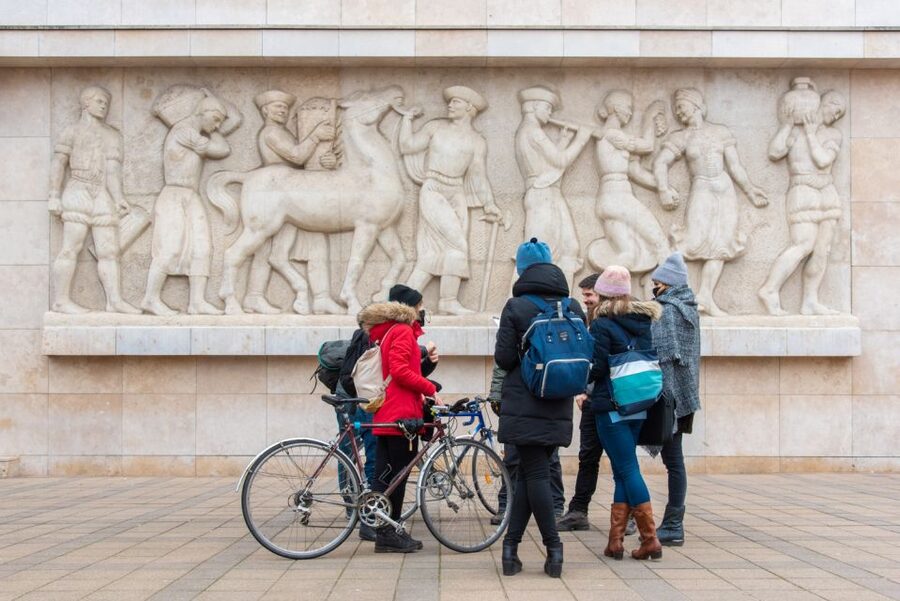
The walk uses central Pest as evidence. Rather than stopping only at famous monuments, the guide points out details that can be easy to miss, including bullet holes, statues, older buildings, and street scenes that carry political meaning.
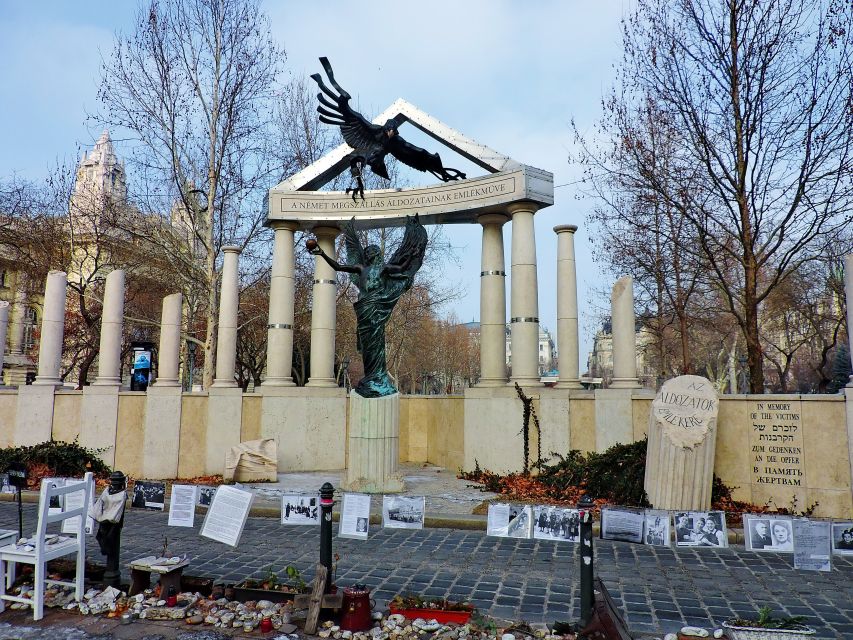
The bullet holes are a sharp reminder that Budapest’s past is physical. World War II and the 1956 revolution left marks on the city, and the guide helps you connect those marks to the larger story. You may also visit important buildings, monuments, and central squares, with the exact emphasis shaped by the guide and the group’s questions.
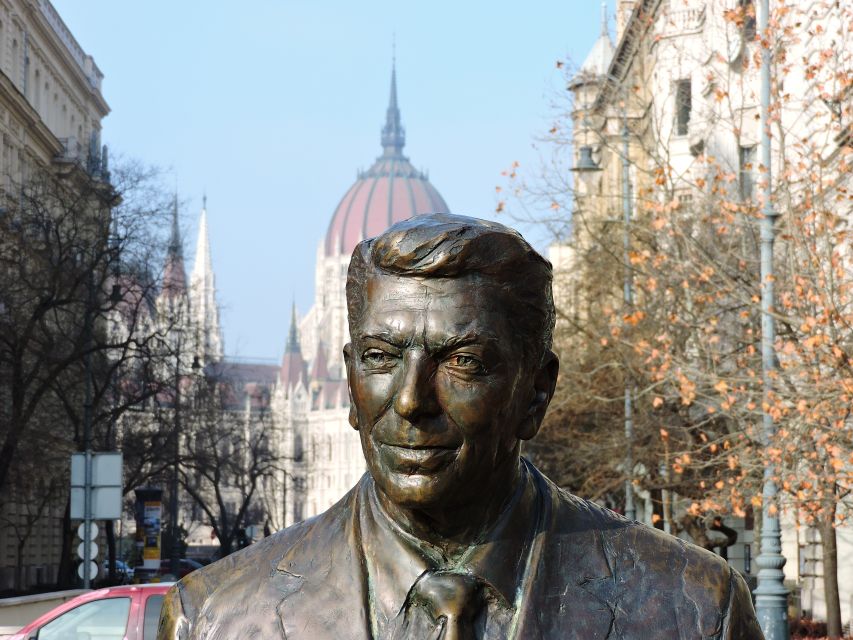
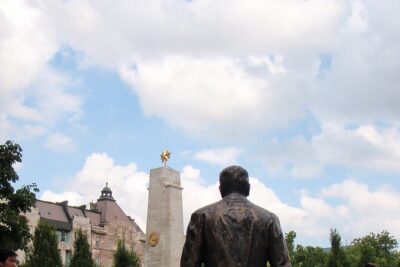
This is where the tour can offer more than a standard sightseeing walk. A statue may look decorative until you learn why it remains, what it once represented, or how Hungarians view it today. One past account also points to the presence of Ronald Reagan alongside a Soviet monument, a useful example of how public symbols can carry several layers of meaning in modern Budapest.
The guides also bring in small present-day details. Zsuzsanna, for example, has been praised for connecting history with street art, pop culture references, and ordinary signs of daily life. That approach is useful because it keeps the discussion from becoming a parade of grand political events. You are encouraged to notice how the past still appears in the city’s visual language.
Understanding what Communism meant in daily life
The most valuable part of this experience is the move from formal history to personal experience. The guide explains the system, but family stories show how it affected people who had to live within it.
Expect stories about hardship, compromise, shifting rules, and the comic moments that can appear in a rigid society. These accounts help explain the gap between official slogans and ordinary life. You may hear about growing up in Communist Hungary, family memories passed down through relatives, and the way people adapted to pressure from the state.
Several guides have brought this personal element to the walk. Greg has drawn on his experience growing up in Budapest while discussing everyday life, politics, the church, media, and the years after socialism. Dániel has used family stories to explain what it was like to live under the system. Other guides, including Judit and Zsuzsanna, have been praised for making Hungarian history understandable through individual experiences.
I like this format because it leaves room for questions. If you want to ask about post-1956 socialism, the shift toward a softer form of rule, the opening of the Hungary-Austria border, or the effect of Communism on culture and politics, the small group gives you a better chance to do so.
There is a tradeoff. Personal accounts are vivid, but they do not replace a textbook timeline. One participant specifically wanted a broader, more structured chronology. If your main aim is a tightly ordered survey of every political change, tell the guide early and use the question period to fill in gaps.
The 1956 revolution and the meaning of resistance
The 1956 revolution is a central part of the story, and the walk places it within the wider history of Soviet influence and Hungarian resistance. You will not simply hear that an uprising happened. The guide explains how the Communist system had taken hold, why public anger grew, and how the revolution fits into Hungary’s longer pattern of being pressured and controlled by outside powers.
That context is important in Budapest. The city’s memorials and damaged buildings are not isolated sights. They relate to national ideas of independence, loss, and survival. The tour also explores how Hungary moved from the harsher years after 1956 toward a softer form of socialism, then toward the political changes of the late 1980s and early 1990s.
The strongest guides make room for paradox. Life under late socialism was not described as one simple experience. It could involve restrictions and fear, but also routines, compromises, private jokes, and forms of adaptation. That more careful treatment helps you avoid the cartoon version of Communism as either a totally uniform nightmare or a harmless period of nostalgia.
More walking tours in Budapest:
- Budapest: Buda Castle Walk with Saint Stephen’s Hall
★ 4.5 · 3,012 reviews - Big Bus Budapest Hop-On Hop-Off Bus and Walking Tour
★ 3.5 · 2,206 reviews - Budapest: Buda Castle District Walking Tour
★ 4.6 · 2,108 reviews - Budapest City Landmarks Walking Tour in 2 Hours
★ 5.0 · 2,048 reviews
Riding the red M2 subway through the story
The tour includes a ride on Budapest’s red M2 subway line, with the transportation ticket provided. This is a small but useful feature. You are not only looking at the city from the pavement. You are using part of its public transport system while the guide continues the discussion.
Because the walk takes place in central Pest, the subway ride also breaks up the three hours. That can be welcome if you prefer a mix of walking and transit rather than continuous pavement. Still, you should expect a walking tour first. Wear comfortable shoes and be prepared to spend much of the experience outdoors.
The M2 ride fits the subject well because public transport is part of ordinary urban life. The point is not simply to move from one sight to another. It gives the guide another setting in which to connect history with how Budapest works today.
A drink in a café little changed since 1961
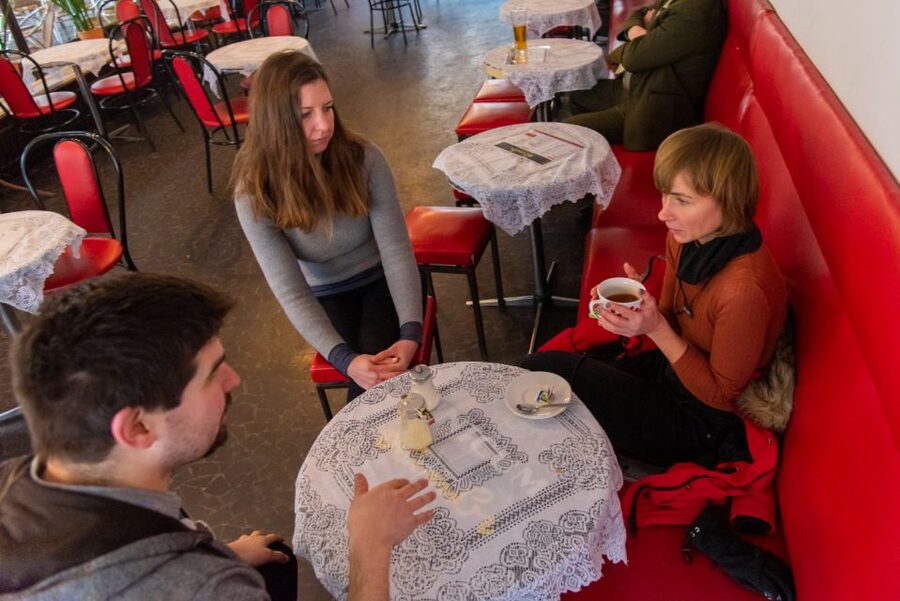
The tour ends, or at least includes, a drink and conversation in a cult retro café that has changed little since it opened in 1961. This is more than a refreshment stop. It provides a place to pause after the outdoor walk and discuss what you have seen.
The café’s value is in its atmosphere and continuity. Instead of viewing a reconstructed Communist interior behind glass, you sit in a working place with roots in that period. The setting gives the guide a natural way to talk about the texture of ordinary life, including what people ate, drank, discussed, and took for granted.
I especially like the social side of this stop. The conversation can become more open once the formal walking portion is over. Several guides have been praised for creating a friendly discussion, and the drink is included in the $57 price. Depending on the guide and group, it may be coffee, beer, or another drink, so do not book this expecting a full meal or a café crawl.
Why a small group changes the experience
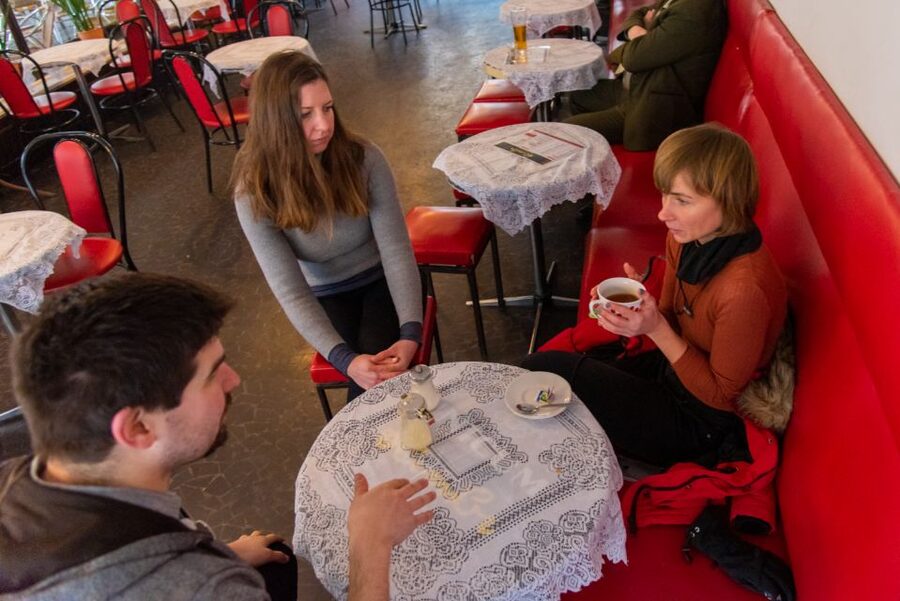
The group is limited to 10 people, and that is a good match for this subject. Communism, memory, and present-day politics can raise complicated questions. A large group would make it harder to ask about a family story, a symbol on a building, or a point of Hungarian political history.
A smaller group can also make the route more flexible. One guide, Greg, has provided a particularly tailored experience when the group was very small. That does not guarantee a private tour, but it shows how the discussion can respond to the interests of the people present.
The guide makes a major difference. Names associated with past tours include Judit, Zsuzsanna, Greg, Monica, Virág, Dániel, Gergely, and Gábor. The guide assigned to your date may be different, but the strongest pattern is clear: you want someone who can explain both the political structure and the human consequences.
The tour is in English, and you should feel free to ask questions. It is not designed as a silent walk from landmark to landmark. Your experience will be better if you come ready to discuss history, politics, and culture rather than simply take photographs.
Is the $57 price fair?
At $57 per person, the tour is not the cheapest way to walk around central Budapest. You are paying about $19 per hour before considering the included subway ticket and drink. The real question is what you want from a three-hour city experience.
If you only want a general introduction to Budapest, a free or low-cost orientation walk may offer better value. This experience is more focused. You are paying for a specialist subject, a live historian guide, personal stories, and time for questions in a small group.
For a visitor who wants to understand the city beyond its grand architecture, I think the price is reasonable. The tour can also make later sightseeing more meaningful. A statue, memorial, or old building may mean little at first, but historical context changes what you notice.
The free cancellation option up to 24 hours before the start and the reserve-now, pay-later policy make it easier to fit the walk into a changing Budapest schedule. Check the available starting times when booking, since the tour lasts three hours.
Who should book this Communist history walk?
I would choose this tour if you have an interest in modern European history, authoritarian politics, the Cold War, or everyday life behind the Iron Curtain. It also suits anyone who wants to understand why Budapest’s public spaces can carry such strong memories.
You do not need a degree in history. The guides are expected to explain the background, and the walk begins before the Communist period so you can follow the story. A basic curiosity about Hungary will be enough.
I would be less likely to recommend it to you if you want a fast sightseeing circuit, a tour focused on medieval Budapest, or a museum-only experience. The route is discussion-heavy, and the subject can be serious. The personal stories add warmth and humor, but the history includes war, oppression, violence, and political loss.
FAQ
Where does the tour meet?
It meets in front of the Kempinski Hotel Corvinus Budapest at Erzsébet tér 7, facing the Ferris wheel on Erzsébet Square. The location is at Deák Ferenc tér.
How long does the walking tour last?
The experience lasts three hours.
What language is the tour in?
The live tour guide conducts the experience in English.
How large is the group?
The group is limited to 10 participants.
Is public transportation included?
Yes. The tour includes a transportation ticket for the red M2 subway line.
Is a drink included?
Yes. You receive a drink at a retro café that has changed little since it opened in 1961.
Should you book it?
Book this tour if you want Budapest’s Communist era explained through streets, political events, personal memories, and ordinary city life. The strongest reason to choose it is the combination of historian-led context and family stories, followed by the relaxed café discussion.
Skip it if your priority is a broad first-time tour of every major Budapest sight or a strictly chronological lecture. For history-minded visitors, though, the $57 fee buys more than a walk. It gives you a practical way to understand the marks, symbols, and memories you will keep encountering in Budapest.
More 3-Hour Experiences in Budapest
- 3-Hour Orientation Walking Tour of Buda and Pest
★ 4.8 · 1,834 reviews - Budapest: 3-Hour Grand City Tour and Castle Walk
★ 4.3 · 1,437 reviews - Budapest: 3-Hour Live Guided Sightseeing Tour
★ 4.4 · 1,041 reviews - 3 Hours Budapest Segway Grand City Tour Buda, Margaret and Pest
★ 5.0 · 255 reviews
Just added around Budapest
- Budapest: Private, Personalized Pub Crawl, 3 drinks included★ 4.5 · 3 reviews
- Private day trip from Budapest to Bratislava, Vienna, and back★ 3.5 · 3 reviews
- Budapest: Private Adventure Sightseeing Bicycle Tour★ 4.5 · 3 reviews
- Private Danube Bend tour – full day★ 4.5 · 3 reviews
- Budapest: Guided City Walking Tour in Buda and Pest★ 5.0 · 3 reviews
- Budapest Old Jewish Quarter History Private Walking Tour★ 5.0 · 3 reviews
- Lake Balaton Full Day Private Wine Tour★ 5.0 · 3 reviews
- Budapest Urban Feast – Food Tour with Wine Tasting & Coffee House★ 4.5 · 3 reviews
Communist History Tours, compared.
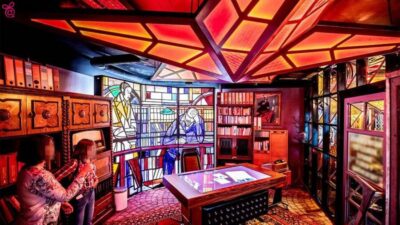
Communist History Tour with House of Terror Option
Read our review →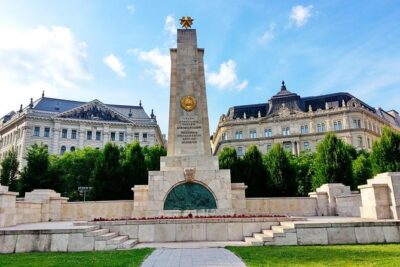
Lives of Hungarians Under Communist and Capitalist system
Read our review →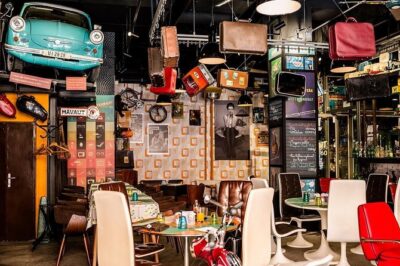
Private Budapest Hammer & Sickle Communist Times Tour
Read our review →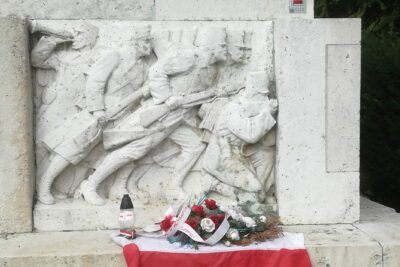
Communist History Evening Walking Tour of Budapest
Read our review →Browse the lists this tour appears in