
Reviewed · COMMUNIST HISTORY TOURS
Communist Budapest Private Walking Tour
Budapest’s communist past is easiest to understand when you see it on the street, not only behind museum glass. This private walk links 1956 revolution sites, Cold War memorials, socialist statues, and the former secret police headquarters into one clear story of life from 1949 to 1989.
I like the personal format, since a historian can adjust the discussion to your interests. I also like the mix of grand political sites and everyday places, including a 1970s housing estate and a coffeehouse with its 1960s interior still intact. The main drawback is that three hours goes quickly, and museum admission is not included.
Key points at a glance
- A street-level look at communism: Connect government buildings, monuments, stadiums, housing, and cafés to the period’s politics and daily life.
- A strong 1956 focus: Visit Kossuth Square and Bem József Square, both tied to the Hungarian uprising.
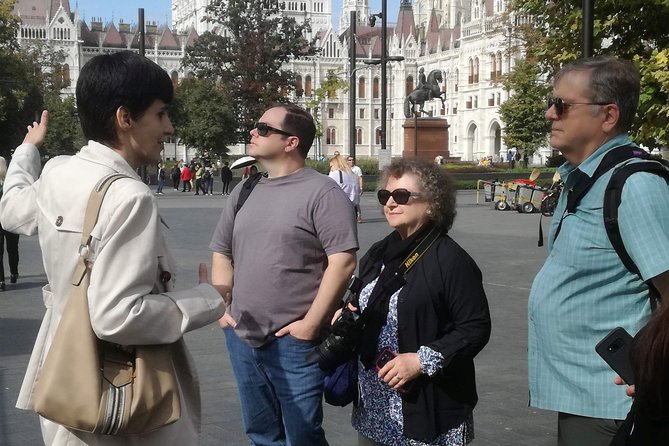
- Private historian guide: Guides such as Andras and Kata can shape the conversation around your questions and interests.
- Public transport is part of the tour: You will use the metro, tram, or walk between nearby sites, with tickets extra unless you already have a pass.
- A useful House of Terror finish: The tour ends outside the former secret police headquarters, giving you the option to visit the museum afterward.
- Good for small groups: The price is charged by group rather than per person, though the supplied details give different maximum group sizes, so confirm the limit when booking.
Budapest’s communist story begins in the street
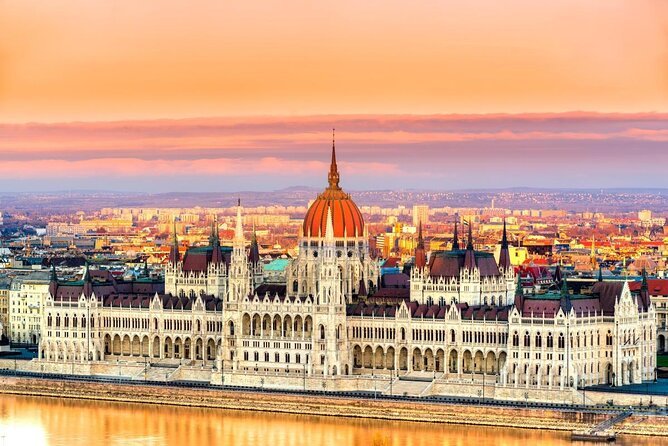
This is not a general city walk with a few old statues added for flavor. The focus is Hungary’s communist rule between 1949 and 1989, with special attention to the tension between official propaganda and ordinary life.
You will hear about the period often called goulash communism, a softer and more consumer-friendly form of state socialism that developed under János Kádár after the crushing of the 1956 uprising. The name sounds almost cheerful, but the reality was more complicated. Daily life could offer more comfort than in some other Eastern Bloc countries, yet political freedom remained tightly limited.
I like this approach because Budapest’s communist past can otherwise feel scattered. A Soviet monument here, a concrete housing estate there, and a faded statue at a sports ground do not tell much of a story on their own. A historian can show how the pieces fit together.
The tour is private, offered in English, and lasts about three hours. Pickup is available from a central hotel or flat. Your guide leads you by metro, tram, or on foot, depending on the distance between sites. That makes the city’s transport system part of the experience rather than an interruption.
More communist-era history walks:
- Budapest: Communist History Tour with House of Terror Option
★ 4.8 · 182 reviews - Budapest: 3-Hour Walking Tour About Communism (Small Group)
★ 4.7 · 70 reviews - Communism in Hungary with a Historian
★ 5.0 · 70 reviews
Parliament and Kossuth Square: where 1956 turned dangerous
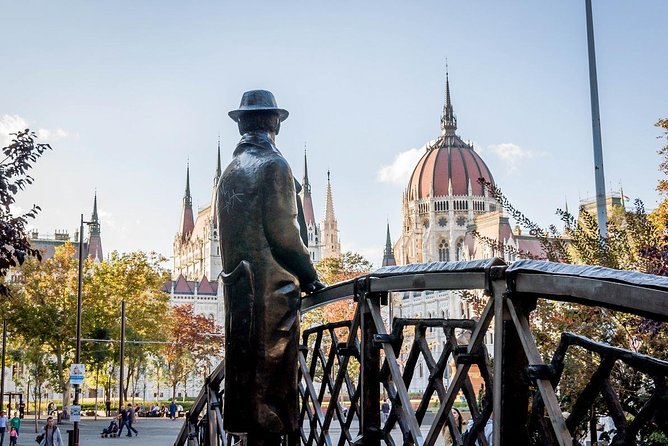
The tour begins by going to Kossuth Square in front of the Hungarian Parliament Building. This is an impressive setting, but the point is not simply to admire the architecture. The square is tied to the 1956 revolution and the confrontation between the Hungarian population and the communist state.
Your guide uses the monuments around the square to explain the uprising and the forces behind it. The exact amount of detail can depend on your questions, which is one reason the private setup matters. If you already know the basic timeline, you can ask about political leaders, Soviet intervention, or the effect of the uprising on ordinary families.
This first stop lasts about 25 minutes and has no admission charge. It is an efficient beginning because you can see how official power was displayed in the capital, then compare that public image with the protests that challenged it.
The practical catch is transport. The tour uses the metro to reach Kossuth Square, and metro or tram tickets are not included unless you already hold a valid transport pass. Your guide can help you buy what you need, but allow a little time for that before the walk starts.
Liberty Square: Cold War symbols in close quarters
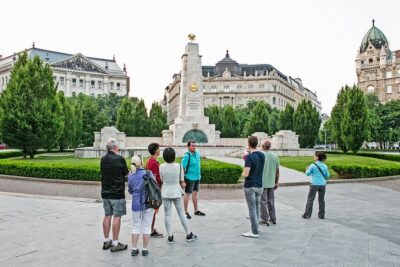
From Parliament, the route continues to Liberty Square. Here, the tour shifts from the events of 1956 to the wider Cold War. The square contains several politically loaded monuments and buildings, including the US Embassy, the monument to the Soviet Army, and the statue of Ronald Reagan.
This is one of the best parts of the walk for anyone who likes history told through competing public messages. You can examine how the Soviet presence was represented, how American power was viewed from Budapest, and how later generations changed the meaning of the square.
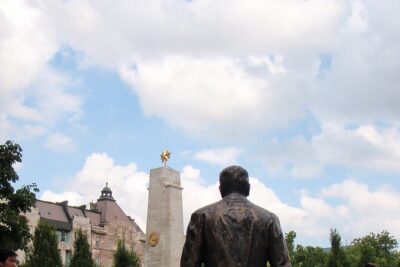
The Ronald Reagan statue is especially revealing. Hungarians associate Reagan with the end of the Iron Curtain, and the statue reflects a strong sense of gratitude for his role in confronting Soviet power. Your guide can place that feeling alongside the older Soviet memorial, making the square a small lesson in changing political memory.
The tour also discusses an atomic shelter in the area. That detail brings the Cold War down from speeches and leaders to the fear of nuclear conflict. You are not simply looking at monuments from a distance. You are considering how the threat of war shaped public spaces and private worries.
Bem József Square and the first great protest
Bem József Square is another major stop connected with the 1956 uprising. The first large demonstration of the revolution began here, making it a useful counterpoint to Kossuth Square.
The square is named for Józef Bem, a Polish general who became a hero of the Hungarian independence struggle. The tour’s focus, however, is the modern political gathering that took place here in 1956. This is where the walk can help you understand how a protest gained momentum before events spread through Budapest.
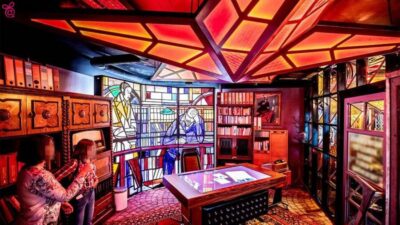
A café on the square still has an interior dating from the 1960s. That small detail is valuable. Political history often becomes a list of dates, leaders, and battles, but a preserved café shows the period at a human scale. You can picture the kind of public setting in which people met, talked, waited, and tried to judge what was happening around them.
The stop lasts about 25 minutes. If you want a long café break, this is not that kind of visit. The preserved interior is part of the explanation, not a guaranteed extended meal stop. Still, it adds a welcome everyday note to a tour that otherwise deals with revolutions, embassies, and state power.
More walking tours in Budapest:
- Budapest: Buda Castle Walk with Saint Stephen’s Hall
★ 4.5 · 3,012 reviews - Big Bus Budapest Hop-On Hop-Off Bus and Walking Tour
★ 3.5 · 2,206 reviews - Budapest: Buda Castle District Walking Tour
★ 4.6 · 2,108 reviews - Budapest City Landmarks Walking Tour in 2 Hours
★ 5.0 · 2,048 reviews
Puskás Ferenc Stadium and socialist realism
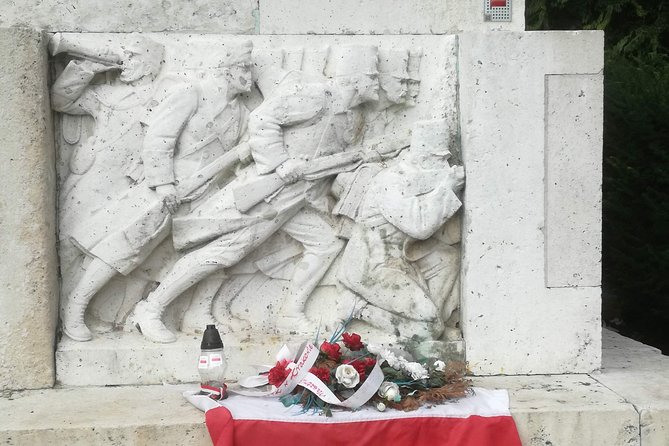
The former People’s Stadium, now Puskás Ferenc Stadium, offers a different view of communist rule. The route pauses here to look at socialist realist statues that remain in place.
These sculptures were designed to communicate strength, discipline, athleticism, and collective purpose. That makes a sports ground a useful setting for discussing propaganda. The body of the ideal worker or athlete could carry a political message just as clearly as a party slogan.
The visit lasts about 20 minutes and is free. You should think of it as an outdoor explanation rather than a stadium tour. The supplied details do not promise entry into the stadium or access to a sporting event. The value is in seeing the remaining statues and learning how the regime used public art to shape its preferred image of society.
The stadium stop also helps break up the political sites. After Parliament, embassies, and revolution squares, the sports setting shows how official messages reached leisure, youth, and public spectacle.
May Day routes, housing, and daily life
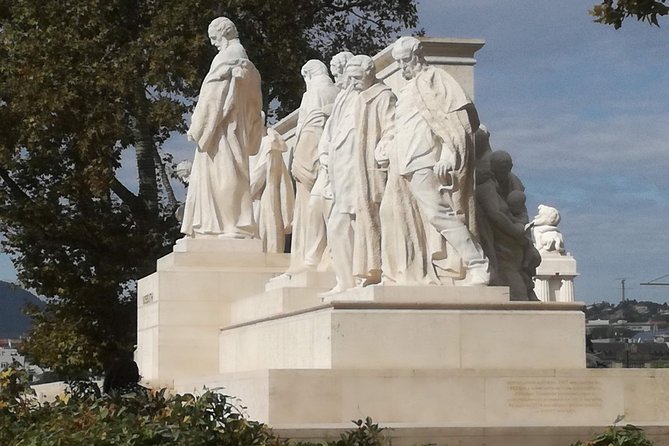
The experience also covers streets used for May Day parades and a 1970s housing estate. These are important because communist Budapest was not only about leaders and secret police.
May Day parades were public performances of loyalty. Workers, students, soldiers, and officials moved through carefully controlled spaces while the state presented unity to the public. Looking at the streets through that lens can change how you see otherwise ordinary avenues.
The housing estate offers a more domestic angle. Large socialist apartment projects were built to house growing urban populations, but they also reflected the limits and priorities of the system. Concrete blocks, repeated plans, and shared infrastructure tell you something about state planning, shortages, and the practical need for homes.
You should not expect an elaborate architectural inspection of every building. The tour has a lot to cover, and the advertised route lists the housing estate as one part of the wider walk. Its real value is the chance to connect political history with the places where people lived.
This is also where your guide’s ability to adapt matters. Andras, one of the guides associated with the experience, adjusted a private tour to suit the group’s interests and extended it to about four hours. That does not mean every departure will last four hours, but it shows the benefit of asking questions and making clear what you want to explore.
The House of Terror: a serious endpoint
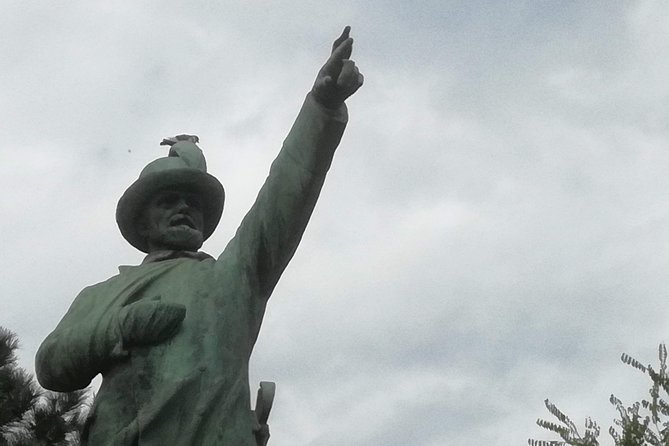
The walk concludes outside the House of Terror Museum at Andrássy út 60. The building was used by Hungary’s communist secret services and is now one of the city’s most important sites for understanding political repression.
A section of the Berlin Wall sits in front of the building, giving the endpoint a strong Cold War connection. The outside view alone cannot explain everything the museum contains, but it provides a clear place to finish the story.
Museum admission is not included. That is both a limitation and a useful choice. You are not forced to spend part of a short walking tour inside an exhibit when you may prefer more time in the streets. If the subject interests you, you can visit the museum afterward and continue the discussion while the locations are still fresh.
The tour allocates about 15 minutes to this stop. That is enough for orientation and context, not a full museum visit. Plan extra time if you want to go inside, and check the museum’s current opening details separately because they are not supplied as part of this experience.
How the private format affects the value
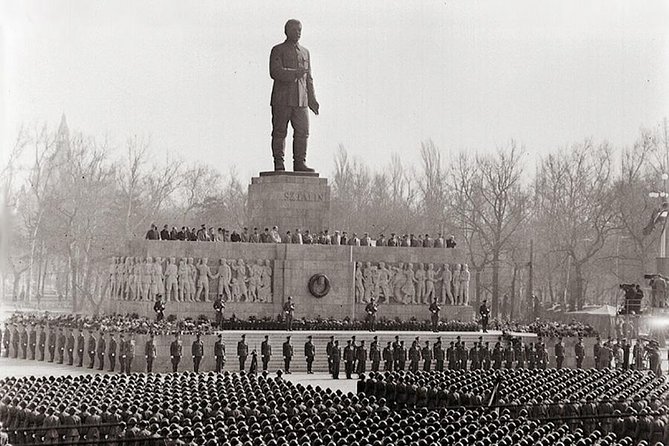
The listed price is $393.17 per group, with the price based on the group rather than on each person. For two people, that is a major expense. For a larger group sharing the cost, the calculation looks more reasonable, especially if you value a historian who can answer questions instead of following a fixed script.
The supplied details are not fully consistent about group size. One section says up to 10 people, another says a maximum of 8, and the highlights mention a maximum of 6. Confirm the actual limit before paying, particularly if you are traveling with a larger party.
The price includes a three-hour private guided walk with a historian. It does not include metro or tram tickets, though the guide can assist with buying them, and it does not include entry to the House of Terror Museum.
I see the greatest value here for people who want interpretation rather than simple sightseeing. The guide can connect a Soviet memorial to 1956, a stadium statue to propaganda, and a housing estate to domestic life. That kind of connection is difficult to get from a guidebook paragraph.
The five-star feedback provided for the experience places special emphasis on the guides’ clear explanations, broad perspective, humor, kindness, and ability to adjust the route. Kata is described as bringing grace and a sense of humor to the discussion, while Andras is noted for changing the tour around the group’s interests. Those qualities matter on a difficult subject, since a good guide can keep the discussion serious without making it heavy every minute.
Who should book this walk
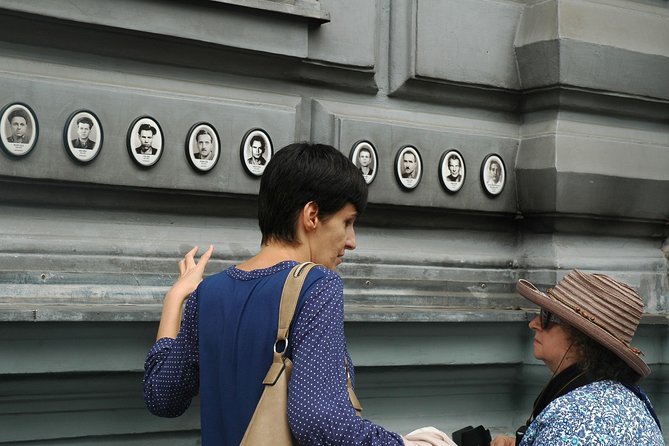
I would recommend it to anyone with a strong interest in 20th-century Europe, the Cold War, political change, or the way ordinary people lived under state socialism. It also suits repeat visitors to Budapest who have already seen the Parliament and central sights and want a more focused subject.
It is a good choice for families with older children or teenagers if they are willing to walk and listen. The mix of monuments, public squares, transport, sports architecture, and housing gives the subject more variety than a museum-only visit.
You should think twice if you want a relaxed sightseeing stroll with little historical detail. This is a serious subject, and the guide will spend time on repression, revolution, propaganda, and shortages. It is also not the best fit if you want to spend substantial time inside the House of Terror, since the museum is only the endpoint and admission is separate.
Wear comfortable shoes and be ready for public transport. The itinerary moves across several parts of Budapest, and the tour may involve metro, tram, and walking. A central pickup can make the start easier, but if you do not provide an address or do not want pickup, meet at the default point 15 minutes before departure.
Final call: a strong choice for curious history fans
Book this tour if you want Budapest’s communist period explained through real places rather than a rapid list of dates. The combination of Kossuth Square, Liberty Square, Bem Square, socialist statues, housing, parade routes, and the House of Terror exterior gives you several angles on the same period.
The price is high for a three-hour walk, especially for a couple. It becomes easier to justify with a group, and the private format is most useful when you have specific questions or want the guide to shape the conversation around your interests.
My main advice is to confirm the group-size limit and decide in advance if you want to add the House of Terror Museum afterward. If you do, this walk works well as an introduction. If you do not, you still get a thoughtful street-level account of how communist power marked Budapest.
FAQ
How long does the Communist Budapest Private Walking Tour last?
The scheduled tour lasts approximately three hours. One private tour associated with the experience lasted four hours after the guide adjusted it to the group’s interests, but the standard duration is three hours.
Is hotel pickup available?
Yes. The guide can meet you at a central hotel or flat and lead the group by metro, tram, or on foot. You will be asked for your address after booking. If you do not provide one or prefer not to use pickup, meet at the default meeting point 15 minutes before the start.
Are public transport tickets included?
No. Metro and tram tickets are not included. Your guide can help you purchase the required tickets if you do not already have a valid transport pass.
Does the tour enter the House of Terror Museum?
No. The tour concludes outside the House of Terror Museum, and museum admission is not included. You can visit the museum separately after the walk.
What language is the tour offered in?
The experience is offered in English.
How many people can join the private tour?
The supplied booking details give different limits, including up to 10, up to 8, and up to 6 people. Confirm the current maximum with the provider before booking.
Can I cancel for a full refund?
Yes. You can cancel at least 24 hours before the local start time for a full refund. Cancellations or changes made less than 24 hours before the start are not accepted for a refund.
Just added around Budapest
- Budapest: Private, Personalized Pub Crawl, 3 drinks included★ 4.5 · 3 reviews
- Private day trip from Budapest to Bratislava, Vienna, and back★ 3.5 · 3 reviews
- Budapest: Private Adventure Sightseeing Bicycle Tour★ 4.5 · 3 reviews
- Private Danube Bend tour – full day★ 4.5 · 3 reviews
- Lake Balaton Full Day Private Wine Tour★ 5.0 · 3 reviews
- Budapest: Guided City Walking Tour in Buda and Pest★ 5.0 · 3 reviews
- Budapest Old Jewish Quarter History Private Walking Tour★ 5.0 · 3 reviews
- Budapest Urban Feast – Food Tour with Wine Tasting & Coffee House★ 4.5 · 3 reviews
Communist History Tours, compared.
Communist History Tour with House of Terror Option
Read our review →
3-Hour Walking Tour About Communism (Small Group)
Read our review →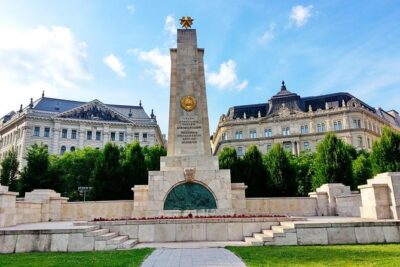
Lives of Hungarians Under Communist and Capitalist system
Read our review →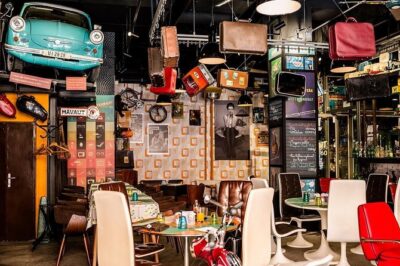
Private Budapest Hammer & Sickle Communist Times Tour
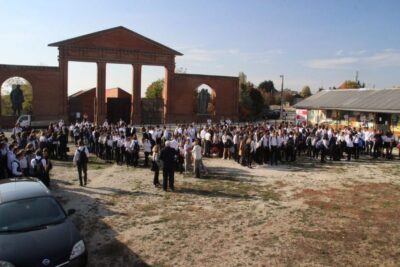
Read our review →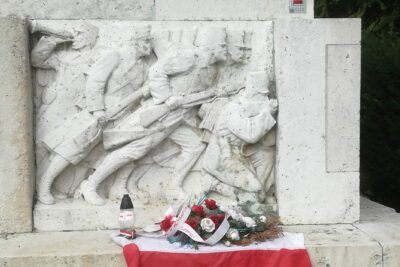
Browse the lists this tour appears in