
Reviewed · HISTORICAL TOURS
Classic Walk in Budapest Historical Center
Budapest gives you its best first impression on foot, and this two-hour Pest walk ties together the city’s grand river views, cafe streets, monuments, and political heart. You move from Váci Street to the Hungarian Parliament Building, with Buda Castle and the Danube often in view across the water.
I like the low price of $3.60 and the useful point-to-point route. I also like that a local guide can adjust the talk to your interests, explain Hungary’s difficult 20th-century past, and offer advice on what to eat and drink. The trade-off is that the pace may feel slow if you prefer walking over long explanations, and the tour does not include entry to the basilica, museums, or other buildings.
Key points at a glance
- The route crosses central Pest: Start on Váci Street and finish at Parliament, covering several of the city’s main public spaces.
- The Danube view is a major highlight: You see historic bridges and Buda Castle from the Pest side of the river.
- Hungarian history shapes the walk: The guide connects the landmarks with occupation, dictatorship, revolution, and national independence.
- The route is easy to join: Meet at Molnár’s kürtőskalács at Váci u 31 and finish at Kossuth Lajos Square.
- The group can reach 30 people: A smaller group is possible, but the experience is not guaranteed to be intimate.
- It is an orientation walk, not an entry tour: Admission to the church and museums is not included, so plan separate visits if you want to go inside.
Why this Pest walking route works as a first look at Budapest
This is a useful introduction to the part of Budapest many people see first. Pest is flatter and more open than the hillier Buda side, and the route links shopping streets, riverfront views, ceremonial squares, churches, memorials, and Parliament in a sensible order.
You are not simply ticking off buildings. The walk gives you a basic map of central Budapest and a timeline for Hungarian history. That matters here because the monuments can be hard to read without context. The Soviet memorial, the 1956 references, the royal-era architecture, and the Parliament Building all point to different chapters of the country’s past.
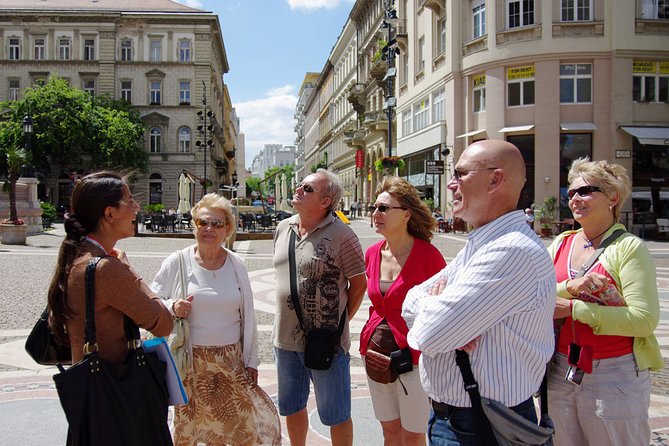
The guide leads in English and provides live commentary. You can ask questions during the walk, which is especially useful if you want advice on restaurants, cafes, or what deserves more of your time later. Oliver is one guide associated with the experience, and his approach includes asking about your interests before shaping the discussion around them.
The advertised maximum is 30 people. That is manageable for a city walk, but it is not the same as a private tour. One particularly good experience involved a very small group, with the guide keeping everyone in the shade and setting a comfortable pace. You might get that kind of personal attention, but you should not count on a tiny group every time.
A few more Budapest half-days to weigh up
- Budapest: Historic Cruise with Welcome Drink
★ 4.7 · 6,512 reviews - Budapest Historical Sightseeing – Free Walking Tour
★ 5.0 · 1,302 reviews - Buda Castle District Dark History, Legends and Vampire Night Tour
★ 4.5 · 1,240 reviews
Starting with Váci Street and the Danube
The meeting point is Molnár’s kürtőskalács, at Váci u 31, on Váci Street. This famous pedestrian shopping street is a practical place to begin because it immediately puts you in central Pest, surrounded by shops, food stops, and plenty of city movement.
The first stop is brief, only about five minutes. Think of it as an orientation rather than a guided tour of the street itself. You get a feel for the famous pedestrian route, then move toward the river.
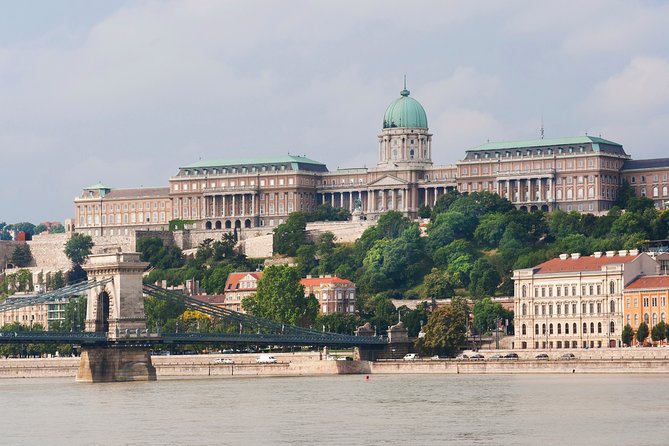
The walk along the Danube is likely to be one of the strongest visual moments. From the Pest side, you can look across the water toward Buda Castle and see Budapest’s historic bridges connecting the two halves of the city. The riverfront view explains much of Budapest’s appeal in a single glance: grand architecture, water, hills, and bridges all meet in one scene.
The description calls the Danube the biggest river in the European Union. More useful for your visit is what the river does to the city’s layout. It gives you a clear sense of direction and helps you understand why Buda and Pest developed as distinct areas before becoming one city.
The guide may pause to explain the view, but this is also a good place to take photos and ask practical questions. If you want a fast walk with little commentary, the stop can feel longer than necessary. If you are new to Budapest, the river view gives the rest of the route a helpful frame.
Pesti Vigadó and the end of the shopping street
Pesti Vigadó is a grand dance palace built in the 1860s in Hungarian Romantic style. You see the outside during a stop of about 10 minutes, but admission is not included.
This building helps show the old Pest of aristocrats, public celebrations, and formal city life. It also breaks up the modern shopping-street feel of Váci Street with a reminder that central Budapest was designed for ceremony as much as commerce.
The route then reaches the end of the pedestrian street, where a square is surrounded by pastry shops and cafe terraces. This is a small but useful detail. You are not only being shown monuments; you are being pointed toward the sort of place where you might stop later for coffee or a Hungarian sweet.
I would treat this section as a transition rather than a major attraction. The value comes from the guide’s explanation and recommendations, not from spending a long time at the building. Since the tour is only about two hours, a stop that runs over its allotted time can reduce the time available at later landmarks.
Elizabeth Square, the Danube Fountain, and the Ferris wheel
Elizabeth Square gives you a change of pace. Instead of a narrow shopping street or a formal historic building, you cross an urban park with the Danube Fountain monument and the giant Ferris wheel.
The stop lasts about 15 minutes and admission is free. The square is a good place to understand how Budapest mixes old and new. The fountain and public park belong to the city’s civic fabric, while the Ferris wheel gives the area a more modern leisure feel.
You will likely hear how the square fits into central Pest, though the supplied details do not promise a ride on the Ferris wheel. Do not treat this as an amusement attraction included in the tour. It is a walk-through stop and a chance to see one of the city’s recognizable modern features.
For me, the square’s main value is practical. It helps you connect Váci Street with St. Stephen’s Basilica and the larger public spaces that follow. It also offers a pause before the more serious historical material later in the route.
More walking tours in Budapest:
- Budapest: Buda Castle Walk with Saint Stephen’s Hall
★ 4.5 · 3,012 reviews - Big Bus Budapest Hop-On Hop-Off Bus and Walking Tour
★ 3.5 · 2,206 reviews - Budapest: Buda Castle District Walking Tour
★ 4.6 · 2,108 reviews - Budapest City Landmarks Walking Tour in 2 Hours
★ 5.0 · 2,048 reviews
St. Stephen’s Basilica and the story behind it
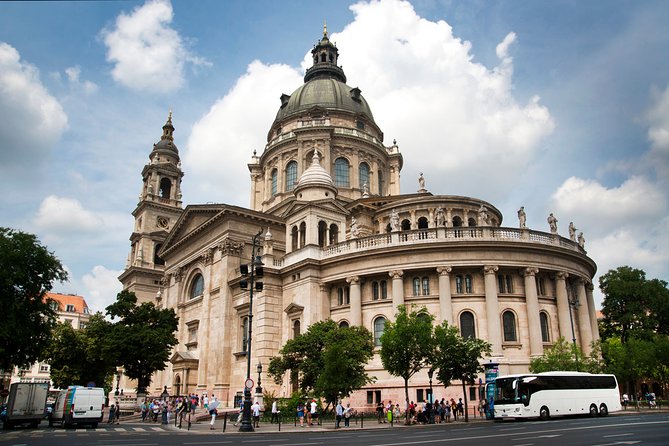
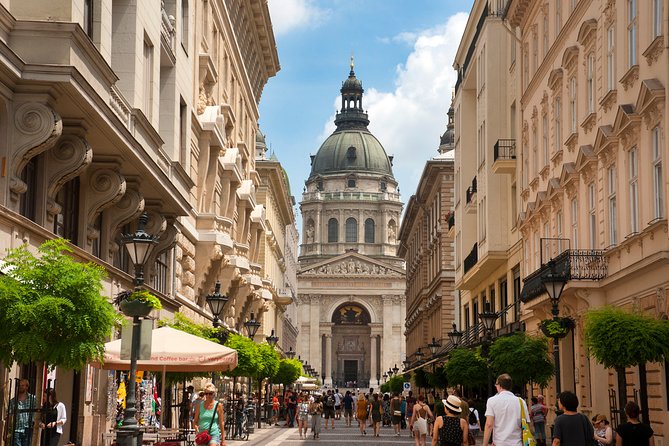
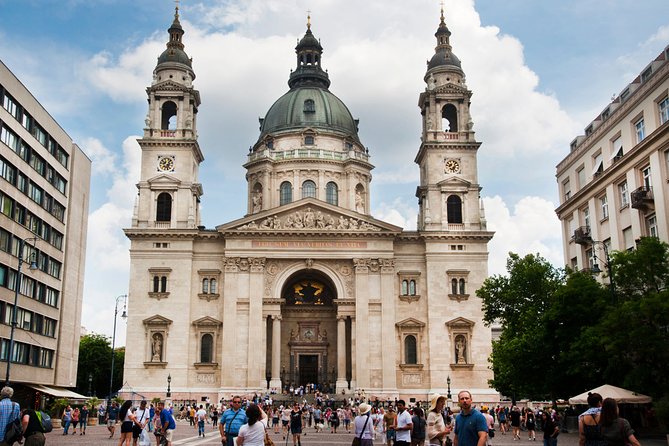
St. Stephen’s Basilica is the major religious landmark on this walk. You spend about 20 minutes admiring the huge building and hearing about its construction and symbolism.
The basilica is named for St. Stephen, Hungary’s first king, and the guide uses the building to explain how religion, national identity, and Hungarian statehood fit together. The important point is not only the size of the church. It is the meaning attached to the building and the way it represents a central part of Hungarian public life.
Entry is not included. You can admire the basilica from outside during the tour, then decide if you want to return for a separate visit. This is a sensible arrangement for a low-cost orientation walk, but you should allow extra time and budget if going inside matters to you.
The 20-minute stop is long enough for an explanation and exterior viewing. It may feel short if you want architectural detail or a quiet interior visit. You will get more from this stop if you listen for the guide’s explanation of the building’s symbolism rather than treating it as a quick photo stop.
Liberty Square and Hungary’s difficult 20th century
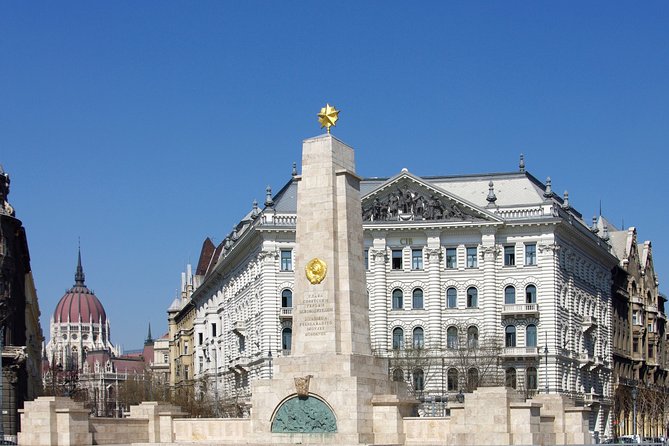
Szabadság tér, or Liberty Square, is where the tour takes a more serious turn. You see monuments connected with Nazi and Soviet occupation, dictatorship, and the political conflicts that shaped modern Hungary.
This is one of the most valuable stops because the square does not present a simple, polished version of the past. Its monuments reflect competing memories and the pressure Hungary faced under different regimes. A guide can help you understand what the memorials refer to and why the square carries such emotional weight.
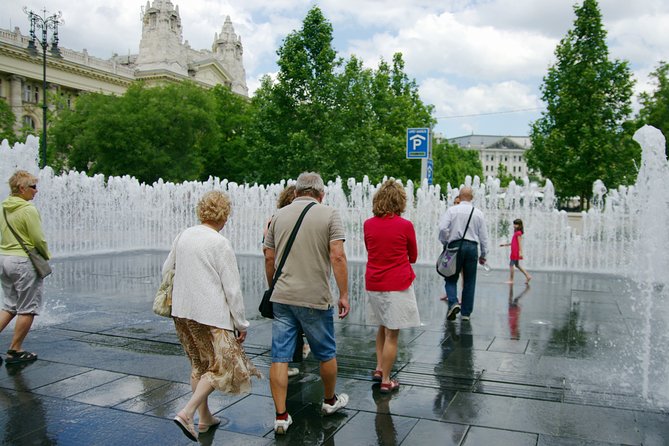
The tour also points out a miraculous fountain that operates during the warm season. The fountain is free to see, but it may not be running in colder months. That seasonal detail matters if you are visiting outside summer.
The scheduled stop is about 25 minutes, the longest on the route. That gives the guide room to connect the monuments with major Hungarian events. It also explains the mixed reaction some people may have to the walking style. If you prefer a quick succession of sights, 25 minutes of historical explanation may feel heavy. If you want the country’s past put into plain language, this is exactly where the extra time helps.
Kossuth Lajos Square and the 1956 revolution
Kossuth Lajos Square brings you into Hungary’s national political center. Here you see memorials to freedom heroes and references to the 1956 revolution against the Communist dictatorship.
The square is not just a broad open space in front of Parliament. It is a place where Hungarian independence, public protest, and national memory come together. The guide’s historical overview helps you connect the square with the earlier discussion at Liberty Square.
You spend about 15 minutes here. That is enough for an introduction, but it is not a full examination of every memorial. Keep your expectations in line with the format: this is a city walk designed to give you context, not a specialist political-history seminar.
The stop also prepares you for the final landmark. By the time you reach Parliament, you have heard about the country’s monarchy, occupation, dictatorship, and fight for freedom. The building then carries more meaning than it would if you had simply arrived for a photograph.
Finishing at the Hungarian Parliament Building
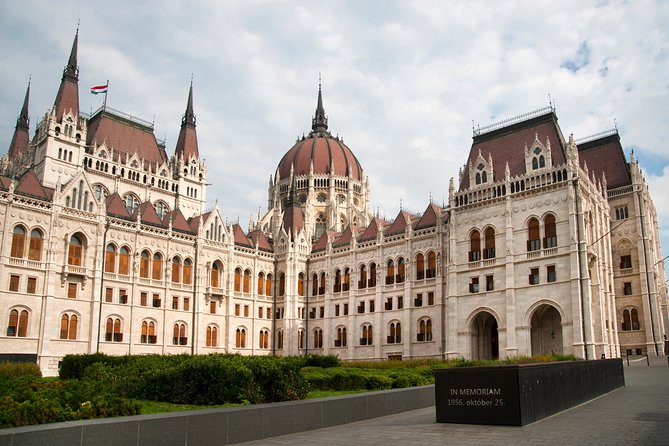
The tour ends at the Hungarian Parliament Building on Kossuth Lajos tér. You spend about 10 minutes admiring its design and hearing about its history.
Parliament is one of Budapest’s most recognizable buildings, and seeing it at the end gives the walk a strong finish. Its scale and decoration make an immediate impression, but the guide’s explanation helps place it within Hungary’s political story.
Admission is not included. The walk only provides an exterior visit and commentary, so arrange a separate interior tour if that is a priority. The supplied information does not promise entry, tickets, or time inside the building.
Ending here is also convenient for planning the rest of your day. You finish in a major central square rather than being returned to the starting point, so you can continue exploring from the Parliament area. The route is therefore best understood as a point-to-point introduction, not a circular excursion.
How much history fits into two hours
The route covers a lot in a short period. You move through famous shopping streets, a river view, a Romantic-style palace, a park, a basilica, two political squares, and Parliament. The guide also covers major Hungarian historical events, with special attention to occupation, dictatorship, and the 1956 revolution.
That combination is the main reason to book. Budapest’s buildings are handsome, but the city becomes easier to understand once you know how its public spaces reflect changing governments and national struggles.
The guide’s style will matter. Oliver is described as friendly and attentive to individual interests, with useful suggestions about places to eat and drink. Another guide took care to keep a small group in the shade and maintain a comfortable pace. Those are good signs for anyone concerned about heat, walking speed, or getting lost in a large group.
At the same time, one poor experience found that the guide spent too long explaining and not enough time walking, with stops that did not always feel interesting. That is a fair warning. This tour suits you if you want a spoken introduction and are willing to pause. It is less suitable if you want to cover ground quickly and hear only short facts.
Price, group size, and what you actually receive
At $3.60 per person, this is unusually inexpensive for a live, two-hour guided walk. The value is strong if you use it as a first-day orientation, then return to the places that interest you most.
The price does not cover church or museum entry. It also does not include a Ferris wheel ride or admission to the Parliament Building. The cost pays for the guide and the route, so the experience is best judged as a compact introduction rather than a package of attractions.
Group discounts are available, and mobile tickets make the booking simple. The maximum group size is 30. Most people can participate, and service animals are allowed. The meeting point is near public transportation, which makes the start practical even if you are staying outside the immediate center.
The tour is offered in English. Confirmation arrives when you book, and free cancellation is available until 24 hours before the start time. If you cancel later than that, the amount paid is not refunded, and changes made within 24 hours are not accepted.
Who should book this Budapest walk
I would choose this tour for a first visit, especially if you want a quick map of Pest before exploring on your own. It is also a good fit if you enjoy hearing the political and historical background behind monuments rather than simply photographing them.
You will likely get the most from it if you:
- Want to see central Pest without arranging several separate visits
- Prefer a guide who can answer questions and offer food or drink suggestions
- Need an overview of Hungarian history early in your stay
- Are comfortable walking for about two hours with regular stops
- Want to finish near Parliament instead of returning to Váci Street
You may want another type of tour if you dislike long explanations, need a very fast pace, or want interior visits included. The route is also not a substitute for a dedicated Parliament tour, basilica visit, or museum program.
Should you book Classic Walk in Budapest Historical Center?
Book it if you want an inexpensive, English-language introduction to central Pest with strong city views and serious historical context. The route is well chosen, the finish at Parliament is useful, and the guide can add local food advice that helps you plan the rest of your stay.
Go in expecting an orientation walk, not a tightly timed march or a series of inside visits. If your ideal tour includes plenty of walking and only brief commentary, the long stops may test your patience. If you want Budapest’s streets and monuments explained in a human way, this $3.60 walk offers very good value.
FAQ
How long does the Classic Walk in Budapest Historical Center last?
The walking tour lasts approximately two hours.
Where does the tour begin?
The tour begins at Molnár’s kürtőskalács, Váci u 31, 1052 Budapest, Hungary.
Where does the tour end?
The tour ends at the Hungarian Parliament Building, Budapest, Kossuth Lajos tér 1-3, 1055 Hungary.
What language is the tour offered in?
The tour is offered in English with live guiding.
Are admission fees included?
No. Entry to the church and museums is not included. Admission to Pesti Vigadó, St. Stephen’s Basilica, and the Hungarian Parliament Building is also not included in the supplied tour details.
How large can the group be?
The maximum group size is 30 people. Smaller groups may occur, but a small group is not guaranteed.
Can I cancel for a full refund?
Yes. You can cancel up to 24 hours before the experience starts for a full refund. Cancellations or changes made less than 24 hours before the start time are not accepted for a refund.
Just added around Budapest
- Budapest: Private, Personalized Pub Crawl, 3 drinks included★ 4.5 · 3 reviews
- Private day trip from Budapest to Bratislava, Vienna, and back★ 3.5 · 3 reviews
- Budapest: Private Adventure Sightseeing Bicycle Tour★ 4.5 · 3 reviews
- Private Danube Bend tour – full day★ 4.5 · 3 reviews
- Budapest: Guided City Walking Tour in Buda and Pest★ 5.0 · 3 reviews
- Budapest Old Jewish Quarter History Private Walking Tour★ 5.0 · 3 reviews
- Lake Balaton Full Day Private Wine Tour★ 5.0 · 3 reviews
- Budapest Urban Feast – Food Tour with Wine Tasting & Coffee House★ 4.5 · 3 reviews
Historical Tours, compared.
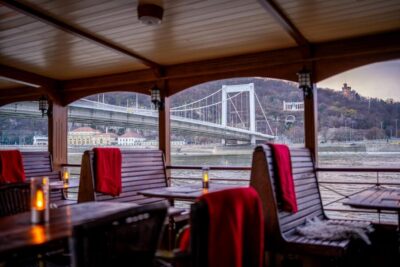

Buda Castle District Dark History, Legends and Vampire Night Tour
Read our review →
BloodThirsty Hungary: Walking tour & Dark Historical Stories
Read our review →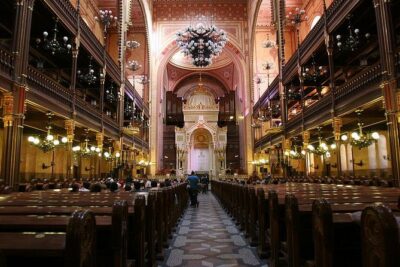
Budapest Jewish Heritage Memorial Walking Tour & Synagogue Entry
Read our review →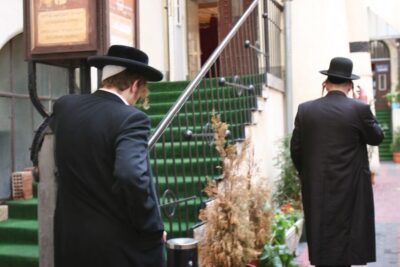
Jewish Heritage Guided Tour with Synagogue Ticket
Read our review →
Budapest Historic Downtown Bicycle Tour in small groups
Read our review →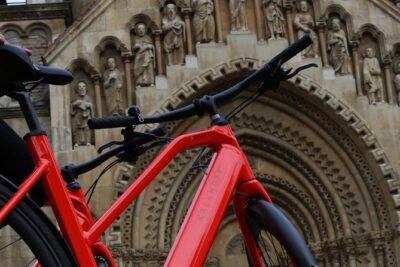
Historic Downtown ride on E-Bicycles Buda & Pest
Read our review →
Jewish History Guided Walking Tour with Historian
Read our review →Browse the lists this tour appears in