
Reviewed · HISTORICAL TOURS
7 Days Balkan tour to historic Croatia and Bosnia Herzegovina
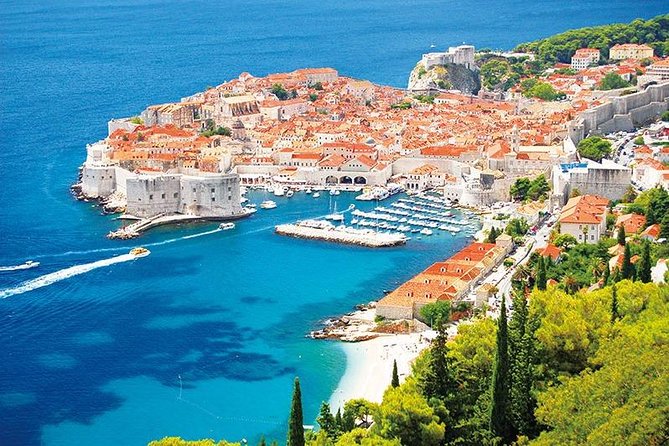
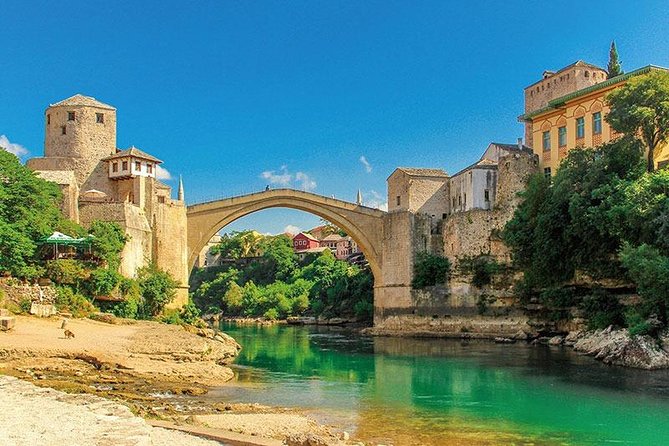
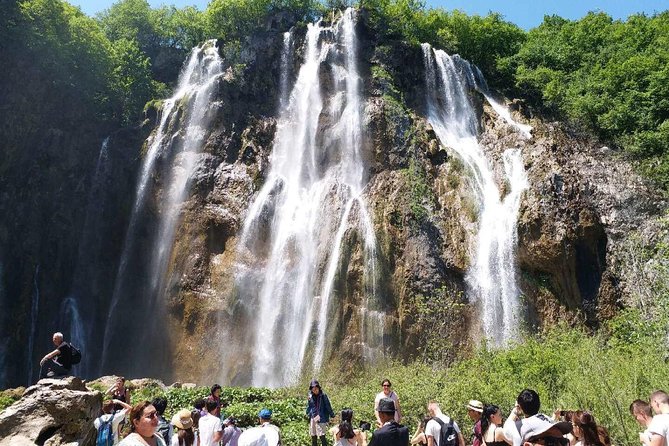
Dubrovnik’s stone walls, Plitvice’s sixteen linked lakes, and Mostar’s famous bridge give this seven-day route a lot of visual punch. You move from Central Europe into the Adriatic and then through Bosnia and Herzegovina, with historic city centers and several border crossings along the way.
I like the wide variety of places packed into one trip, and I like that local guides may join the main tour in several cities. Kenny, one tour leader praised for fluent English and Mandarin, was also noted for good storytelling, humor, and careful attention to the group. The tradeoff is clear: this is a fast-moving coach tour, so some stops receive only about an hour and several attraction tickets cost extra.
Key points before you book
- Seven countrieside days from Budapest: The route covers Zagreb, Plitvice, Zadar, Split, Dubrovnik, Mostar, Sarajevo, and Pécs.
- A maximum of 30 people: The group is not private, but it is smaller than a large sightseeing bus.
- Six hotel breakfasts included: Lodging is in comfortable hotels rated at least 3 stars, with private facilities.
- Several border crossings: You need a passport valid for at least six months and must handle your own visa, health, and insurance requirements.
- Most major admission fees are extra: The itinerary includes sightseeing, but not many interior visits or paid viewpoints.
- A bilingual tour setup is possible: English and Chinese groups may share a coach, with one leader serving both languages.
What this Balkan route does well
This is a sightseeing-heavy introduction to the western Balkans. In a single week, you see Gothic Zagreb, waterfalls and forest trails at Plitvice, Roman Split, medieval Dubrovnik, Ottoman-era Bosnia, Sarajevo’s layered past, and the Hungarian city of Pécs.
That range is the main reason to consider it. Planning this route independently means arranging hotels in several cities, checking border requirements, managing long road journeys, and finding transport between places that do not always connect simply. Here, the coach and tour manager handle the basic framework.
The tour costs $1,160.11 per person. That is not a budget backpacker trip, but it can be fair value when you count six breakfasts, six nights of accommodation, daily coach transport, a professional driver, and a tour manager. You still need to budget for lunches, dinners, tips, personal expenses, and entrance fees.
The schedule is not designed for slow travel. A one-hour visit can show you the shape of a place, but it rarely gives you time to visit several museums, linger over a long meal, or explore side streets at leisure. Think of this as a strong first look, not a full study of Croatia and Bosnia and Herzegovina.
A few more Budapest half-days to weigh up
- Budapest: Historic Cruise with Welcome Drink
★ 4.7 · 6,512 reviews - Budapest Historical Sightseeing – Free Walking Tour
★ 5.0 · 1,302 reviews - Buda Castle District Dark History, Legends and Vampire Night Tour
★ 4.5 · 1,240 reviews
Day 1: Zagreb’s cathedral, square, and tiled church
The first morning begins at Budapest Keleti railway station at 8:30 a.m. From there, the coach heads south toward Zagreb, Croatia’s capital. The city has endured war and political change, yet much of its historic architecture remains in good condition.
The main sights are grouped around Zagreb’s old center. Zagreb Cathedral gives you an immediate sense of the city’s religious and Gothic character. Ban Josip Jelačić Square is the central meeting place, useful for getting your bearings and understanding how the upper and lower parts of Zagreb connect.
St. Mark’s Church is the visual highlight. Its roof, decorated with colorful tiled coats of arms, makes it easy to recognize. The surrounding Upper Town has a more intimate feel than the broad central square, with old streets and carefully finished facades.
The listed sightseeing time at each of these places is about an hour, but the descriptions repeat the same general visit, so the exact amount of free time at each sight may depend on the tour manager’s schedule. Admission is not included for the cathedral, Ban Jelačić Square, or St. Mark’s Church. You should ask early which interiors are planned and which will be viewed from outside.
Your first night is in Zagreb or a nearby city, in a minimum 3-star hotel. A nearby hotel can save the operator money and may mean you are not sleeping in the center, so do not assume an evening walk from the hotel will be convenient.
Day 2: Plitvice Lakes and a full afternoon outdoors
Plitvice Lakes National Park is one of the strongest nature stops on the route. Sixteen lakes are linked by waterfalls, wooden walkways, and hiking paths. Travertine barriers have formed natural dams, allowing the water to collect in a series of pools surrounded by trees.
The water can appear silver, green, or blue depending on light and conditions. Small crystals and reflections add to the unusual look, but the real pleasure is the steady change in scenery as the paths pass from lake to lake.
The planned visit lasts about four hours, which is far more useful than the short city stops. You have enough time for a meaningful walk, though the exact route may depend on park conditions and the group’s pace. Wear shoes suited to walking and bring a light layer. Even without a difficult hike, boardwalks and uneven paths can make the visit tiring.
Park admission is listed as included, unlike many of the urban attractions later in the week. That improves the day’s value. The overnight stay is in Zadar or nearby, giving you a practical base for the next morning.
Plitvice is also where the pace may feel most reasonable. You are not simply stepping off the bus for a photograph. You are given several hours in one place, and the setting rewards patience.
Day 3: Zadar’s old streets and Split’s Roman core
Zadar begins the third day. Its narrow streets and medieval buildings give the old city a compact, timeworn character. Religious buildings and historic stonework are part of the appeal, but the waterfront adds a modern contrast.
The Sea Organ is built into the shoreline. Waves push air through its pipes, producing tones that change with the movement of the water. It is a simple idea with a memorable result, and you do not need a long visit to appreciate it.
Nearby, the Sun Salutation uses solar-powered lights to create a display after dark. The schedule places your visit during the day, so the effect may not be visible in its full evening form. This is worth knowing if the light installation is one of your main reasons for wanting to see Zadar.
The Zadar sightseeing portion is listed at about an hour, with no admission fee for the city visit. The Sea Organ itself has no included admission ticket listed. Afterward, the coach continues toward Split.
Split is built around Diocletian’s Palace, a Roman complex dating from the fourth century. The Peristyle is the key stop, a grand central court surrounded by ancient columns and later buildings. One of Split’s pleasures is seeing how everyday city life occupies the old Roman structure rather than treating it as a distant ruin.
The listed time at the Peristyle is about an hour, and admission is not included. That is enough for an introduction and some photographs, but not much more. If you want museums, palace cellars, or a detailed look at the surrounding lanes, you may need to return independently.
The overnight stay is in Neum or nearby. Neum is in Bosnia and Herzegovina, so this day may involve a border crossing as you leave the main Croatian coast. Keep your passport accessible and expect the coach schedule to depend partly on border conditions.
Same city, a completely different way to spend an afternoon:
- Budapest: City Highlights Cruise with Welcome Drink
★ 4.6 · 35,610 reviews - Budapest: Unlimited Prosecco, Beer and Aperol Spritz Cruise
★ 4.8 · 25,310 reviews - Budapest: Széchenyi Spa Day Ticket with Optional Upgrades
★ 4.3 · 23,911 reviews - Budapest: Nighttime or Daytime Sightseeing Cruise
★ 4.2 · 21,062 reviews
Day 4: Dubrovnik beyond the postcard view
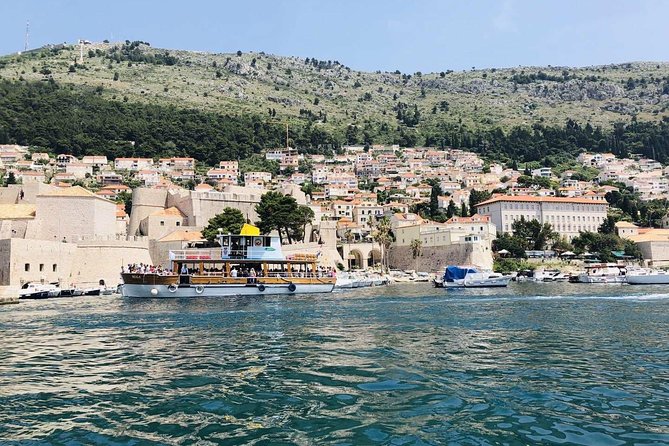
Dubrovnik is the day many people will anticipate most. The old city is enclosed by thick stone walls, defensive towers, and gates, with the sea immediately beyond. Its fame comes from its beauty, its long political past, and its use as a filming location for popular television and film productions.
The old town deserves more than a quick photograph. The polished main street can be busy, while the side lanes climb sharply and reveal a quieter, more residential feel. Comfortable shoes matter because stone paving and steps are part of the experience.
The Rector’s Palace shows the city’s former government and ceremonial side. The Franciscan Church and Monastery adds another layer, including a historic religious setting within the old walls. These visits are each listed at about an hour, but the schedule does not promise admission to every interior.
Dubrovnik itself is listed as a two-hour stop, while the old town, Rector’s Palace, and Franciscan site each receive separate one-hour entries. Treat these times as a guide rather than a guarantee of four or five fully separate hours. Your actual time may be divided among walking, guided commentary, and meeting the coach.
A cable car ride up the mountain is optional. It can provide a broad view of the walls, roofs, harbor, and coast, but it is not included in the base price. The same applies to the city walls and several paid cultural sites. If these are priorities, set aside extra money and confirm how much free time you will have before buying anything.
Dubrovnik is also the point where the packed schedule is most noticeable. Two hours can introduce the old town, but it is short for the walls, palace, monastery, and cable car. I would be happy to see the city this way as part of a larger route, but I would not treat this visit as a substitute for staying in Dubrovnik for several nights.
Day 5: Počitelj, Blagaj, and Mostar
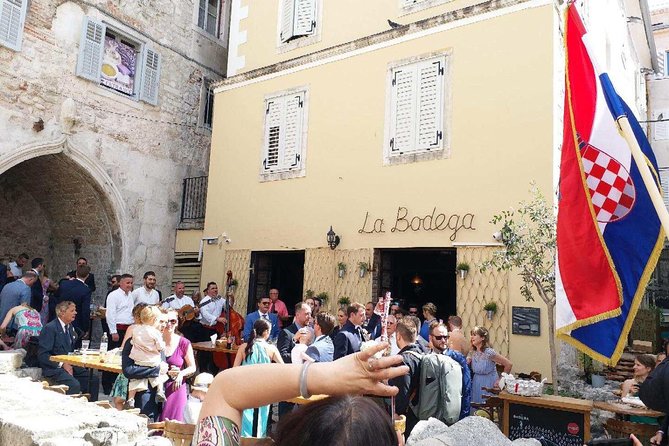
Bosnia and Herzegovina takes center stage on Day 5. Počitelj is a steep medieval fortress village, with stone buildings climbing the hillside. The setting makes the stop feel different from the polished Adriatic towns, and the climb can be demanding in warm weather.
Blagaj brings a religious and natural setting together. Its Dervish Monastery sits beside clear streams at the foot of a roughly 200-meter cliff. The stop is listed at about an hour and admission is free, so you can focus on the setting and the view without adding another ticket.
Mostar is the main event. The Old Bridge crosses the river between the two sides of the old city, where Ottoman and later European influences meet in a small, walkable center. The bridge has been rebuilt after wartime destruction, and its presence carries both architectural interest and painful modern meaning.
The Old Bridge area is free to enter, while some interior sites require payment. Slippery stone and steep lanes make practical footwear useful. You should also leave room in your budget for personal purchases and meals, as these are not included.
The itinerary gives about an hour to Počitelj, an hour to Blagaj, and about an hour to Mostar and the bridge area. That is enough to see the principal views, but it leaves little time for a long café stop or a museum. The day ends with an overnight stay in Sarajevo or nearby.
This is one of the route’s best combinations of places. Počitelj gives you a hill village, Blagaj gives you water and religious architecture, and Mostar gives you a famous bridge in a living historic center. You get three distinct impressions of Bosnia in one day.
Day 6: Sarajevo, the Latin Bridge, and the road back west
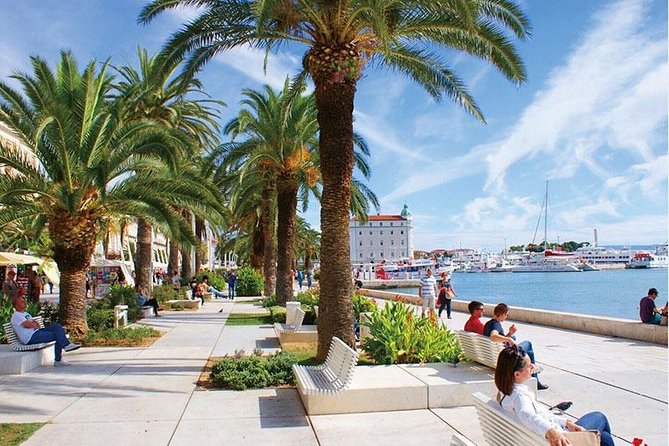
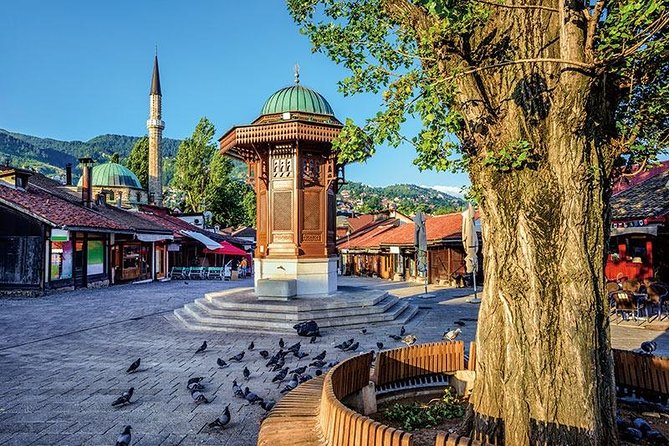
Sarajevo has a different mood from the Croatian coastal towns. The city sits at the meeting point of religious and cultural traditions, and the old center still shows that mix in its streets and buildings.
The Latin Bridge is tied to the assassination of Archduke Franz Ferdinand, an event that helped trigger the First World War. The site is modest, but its importance comes from what happened there and from the way Sarajevo connects local history with events that changed Europe.
Look for the Meeting of Cultures Line in the old town. This marked point shows the shift between the city’s eastern and western architectural character. It is a small detail, but it helps you read Sarajevo rather than simply pass through it.
The city visit is listed at about an hour, with no admission fee for the general stop. That is a very short introduction to Sarajevo. You may see the key points with a guide, but you will not have time for a full museum visit, a long market walk, or a broad tour of the modern city.
After Sarajevo, the coach crosses back into Croatia and continues toward Vinkovci or a nearby city for the night. Another border crossing means your passport remains essential. The repeated changes of country are exciting, but they can also make the day feel like a lot of time on the road.
Day 7: Pécs and the return to Budapest
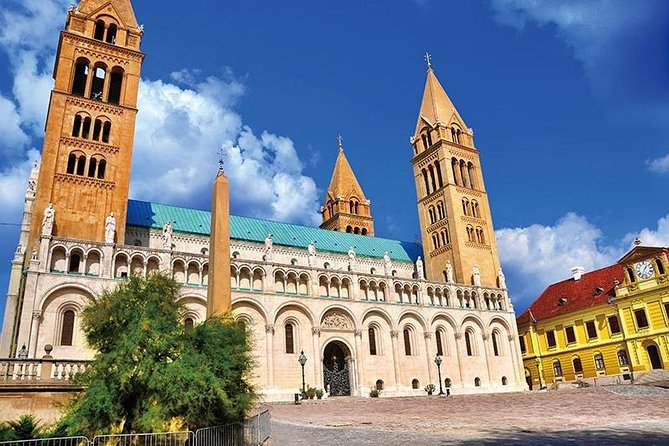
The final morning brings you back into Hungary, with a stop in Pécs before returning to Budapest in the afternoon. Pécs lies between the Danube and Drava and is known for its pleasant climate, museums, Turkish remains, and connections with music, opera, and ballet.
Pécs Cathedral rises over Szent István Square and is the main listed sight. The square gives you a clear setting for the cathedral and a chance to stretch your legs before the final coach journey.
The visit is listed at about an hour, and admission is not included for the cathedral. The city stop is free, but an hour is not enough to explore Pécs in depth. It works well as a final taste of Hungary, especially if you have already spent time in Budapest.
The tour ends back at Budapest Keleti railway station, the same place where it begins. Accommodation before the tour and on the final night is not included, though a post-tour hotel can be requested as an option.
Hotels, meals, transport, and group size
The package includes accommodation in minimum 3-star hotels with private facilities. Rooms are normally twin rooms, though a double bed can be requested. A twin room can hold two adults and one child aged 2 to 11 without a separate bed, while groups of three adults should not expect a triple room.
Six breakfasts are included. Lunches and dinners are your responsibility, which gives you some control over food costs and dining choices. The tour description points to Croatian cuisine and local wine, but it does not set out specific restaurants or included meals.
Transport is by modern air-conditioned coach with a professional driver. That matters here because the route covers many cities and two countries with repeated border crossings. The group may include up to 30 people, so you gain organized transport without the intimacy of a private tour.
The operator may combine English and Chinese groups on one bus if numbers are low. One tour leader can speak both languages. Kenny is specifically associated with fluent English and Mandarin, humorous storytelling, and personal care for the group. English-speaking participants should confirm the language arrangement before departure if a single-language tour is important to them.
What the $1,160.11 price really covers
At $1,160.11 per person, the price buys structure more than luxury. You are paying for the coach, driver, tour manager, six nights of 3-star lodging, and six breakfasts across a route that would take effort to arrange alone.
The value is strongest if you want to see many headline places quickly. It is weaker if you prefer boutique hotels, long meals, independent museum time, or several nights in each city.
Plan for extra costs:
- Daily gratuities of €10 per person, collected in cash by the tour manager
- Attraction tickets not specifically included
- Optional cable car and other paid activities
- Lunches, dinners, drinks, and personal expenses
- Hotel nights before departure and after return
The tour is generally booked well ahead, with an average booking lead time of 104 days. That suggests you should not leave passport checks, visa research, or hotel extensions until the last week.
Who should book this tour?
I would choose this route if you want a broad first encounter with Croatia and Bosnia and Herzegovina, prefer organized transport, and are comfortable with early starts and short visits. It suits people who value seeing many famous places over settling into one region.
It is also useful for solo participants who want a built-in group and a tour manager. The positive experience associated with Kenny shows how much the guide can shape the trip, especially when local guides join in several cities.
I would hesitate if you need a relaxed pace, want guaranteed English-only commentary, or consider Dubrovnik, Split, and Sarajevo major destinations that deserve several days each. Families should check the room rules carefully, and anyone with strict dietary, mobility, or hotel preferences should ask questions before booking because the package gives limited detail.
The cancellation terms are simple but firm: cancel at least three full days before the start for a full refund. A minimum group size is required, and the operator may offer another date or a refund if that minimum is not met.
FAQ
Where does the tour start and finish?
It starts and ends at Budapest Keleti railway station, Budapest, Kerepesi út 2-4. The scheduled start time is 8:30 a.m.
How long is the tour?
The tour lasts approximately seven days.
Which hotels are included?
Accommodation is provided in comfortable hotels rated at least 3 stars, with private facilities. Hotels may be in the named city or nearby, and details are provided 24 to 48 hours before check-in.
Are meals included?
Six breakfasts are included. Lunches, dinners, drinks, and personal expenses are not included.
Are attraction tickets included?
Only some admission costs are included. Many listed attractions, including Zagreb Cathedral, St. Mark’s Church, the Sea Organ, Diocletian’s Palace, Dubrovnik’s paid sights, the Old Bridge area interiors, Latin Bridge, and Pécs Cathedral, show admission as not included or are subject to extra cost.
How much luggage can I bring?
Each person may bring one piece of luggage weighing no more than 30 kilograms and one small hand-carry item, such as a purse, backpack, or camera bag.
What documents do I need?
You must provide your passport name, contact number during the tour, gender, date of birth, and nationality when booking. Your passport must be valid for at least six months, and you are responsible for checking visa, health, insurance, and other entry rules for every country on the route.
My booking advice
Book this tour for its efficient sweep through the Balkans, not for leisurely city time. The best reasons are Plitvice’s four-hour nature visit, the striking sequence of Dubrovnik, Mostar, and Sarajevo, and the convenience of having hotels and cross-border transport arranged.
Before paying, confirm the language setup, ask how much free time you will have in Dubrovnik, and budget for €10 per day in tips plus entrance fees. If those limits suit you, this is a useful and well-packed introduction to a complicated, rewarding corner of Europe.
Just added around Budapest
- Budapest: Private, Personalized Pub Crawl, 3 drinks included★ 4.5 · 3 reviews
- Private day trip from Budapest to Bratislava, Vienna, and back★ 3.5 · 3 reviews
- Budapest: Private Adventure Sightseeing Bicycle Tour★ 4.5 · 3 reviews
- Private Danube Bend tour – full day★ 4.5 · 3 reviews
- Budapest: Guided City Walking Tour in Buda and Pest★ 5.0 · 3 reviews
- Budapest Old Jewish Quarter History Private Walking Tour★ 5.0 · 3 reviews
- Lake Balaton Full Day Private Wine Tour★ 5.0 · 3 reviews
- Budapest Urban Feast – Food Tour with Wine Tasting & Coffee House★ 4.5 · 3 reviews
Historical Tours, compared.
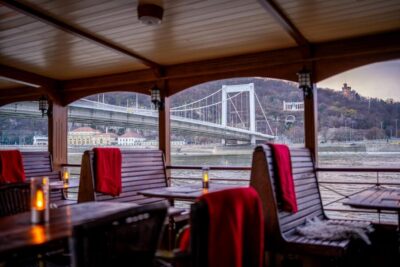
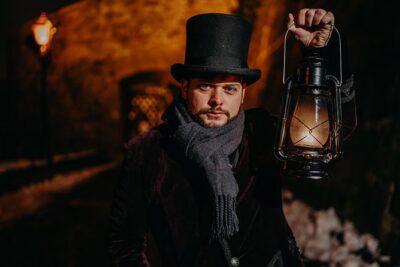
Buda Castle District Dark History, Legends and Vampire Night Tour
Read our review →
BloodThirsty Hungary: Walking tour & Dark Historical Stories
Read our review →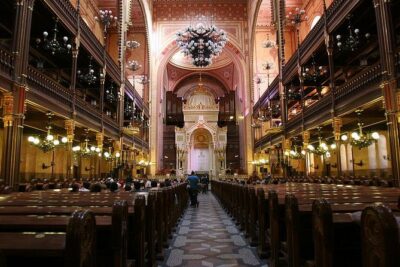
Budapest Jewish Heritage Memorial Walking Tour & Synagogue Entry
Read our review →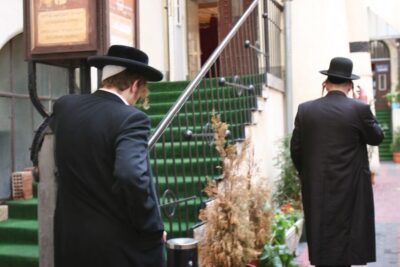
Jewish Heritage Guided Tour with Synagogue Ticket
Read our review →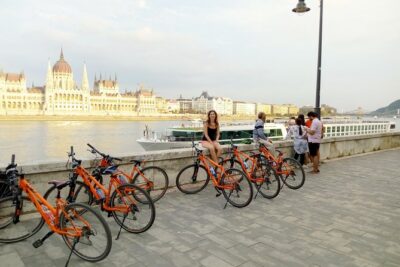
Budapest Historic Downtown Bicycle Tour in small groups
Read our review →
Historic Downtown ride on E-Bicycles Buda & Pest
Read our review →
Jewish History Guided Walking Tour with Historian
Read our review →Browse the lists this tour appears in