
Reviewed · WALKING TOURS
Grand Budapest walking tour
Budapest is a city best understood from both sides of the Danube, and this private tour makes that its central idea. You move from Pest’s grand avenues and political landmarks to Buda Castle District, then continue to museums, churches, the Opera House, and City Park. It is a useful first look at a complicated city.
I like the private format, which lets your guide adjust the day instead of giving every group the same speech. I also like the broad sweep, from medieval kings to the years of Communism and modern Budapest. The main drawback is simple: seven hours of city sightseeing is a long day, and entrance fees, lunch, and any transport costs are not included.
Key points at a glance
- A private group of up to six: You get a guide focused on your party, not a large crowd.
- Buda and Pest in one day: The route links the Castle District with Parliament, the Basilica, the Opera House, and City Park.
- Strong historical frame: The tour connects buildings and monuments with Hungary’s story from its early rulers through Communism.
- Flexible planning: Guides have adjusted routes for families, children, and visitors already booked on river cruises.
- Seven hours with pickup: Your day begins at 9:00 am, with pickup available from hotels, hostels, apartments, and Airbnbs.
- A walking-heavy overview: Moderate fitness is advised, and some of the named sights charge admission separately.
A useful first day in Budapest
I see this tour as a city orientation with a personal guide attached. Budapest can feel scattered at first. The Danube divides Buda from Pest, major sights sit on both sides, and the city’s story stretches from medieval rule to Ottoman influence, imperial Budapest, war, dictatorship, and democratic life.
A private guide can make those connections easier to follow. Katalin, Susan, Kate, and Zsuzsanna are among the guides who have led this experience, and the strongest pattern in their approach is flexibility. Guides have shaped walks around a family’s interests, avoided repeating material already planned for a river cruise, and adjusted the pace for children.
That matters more than it may sound. A fixed group tour has to keep moving, even when you want to ask about a statue, a street name, or a period of Hungarian history. Here, you can stop for questions, request more time at a favorite sight, or ask for practical advice about restaurants and places to stay.
The route is ambitious. The listed stops add up to roughly five and a half hours, before pickup, movement between districts, pauses, and lunch. You should expect a full day rather than a relaxed stroll. Wear comfortable shoes, bring water, and tell the guide at the start if you need a slower rhythm.
More walking tours in Budapest:
- Budapest: Buda Castle Walk with Saint Stephen’s Hall
★ 4.5 · 3,012 reviews - Big Bus Budapest Hop-On Hop-Off Bus and Walking Tour
★ 3.5 · 2,206 reviews - Budapest: Buda Castle District Walking Tour
★ 4.6 · 2,108 reviews
Buda Castle District: the day’s strongest opening
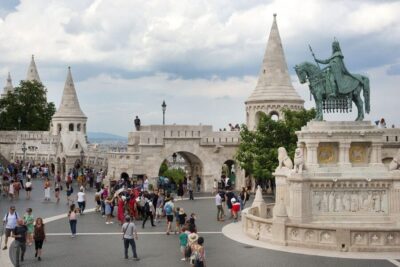
The tour begins with about two hours in Buda Castle District, including the Royal Palace, Matthias Church, and Fisherman’s Bastion. This is the part of the day that gives you the clearest sense of Budapest’s age and drama.
The Castle District is not just a single building. It is a historic quarter on the Buda side of the river, where royal power, religious life, defensive walls, and grand views come together. The Royal Palace gives the area its largest scale. Matthias Church brings a more detailed, decorative focus, while Fisherman’s Bastion provides the famous outlook toward Pest and the Danube.
The exterior visits are listed without admission fees, which keeps the day’s basic cost under control. Entrance to the interiors of the church or other attractions may still require payment, so ask your guide what can fit your schedule before committing to tickets.
I would give this stop your full attention. Two hours is enough to hear the main story and enjoy the views without treating the Castle District as a quick photo stop. If your group includes children, the hilltop setting and variety of buildings may hold interest better than a long museum visit, though the walking can be tiring.
Heroes’ Square and the long view of Hungary
The 30-minute stop at Heroes’ Square shifts the focus from royal Budapest to national identity. The monument presents key figures from Hungarian history, and the surrounding area includes the Fine Arts Museum and the Modern Art Museum.
Half an hour is enough for an explanation of the square and a look at the buildings. It is not enough for a proper museum visit. Admission is not included, and the schedule does not suggest time for exploring the collections, so treat this as an outdoor stop unless you arrange a change with your guide.
I like this pause because it adds political and cultural context to the older sights. The square is designed to tell a national story, and a good guide can explain what that story emphasizes and what it leaves out. It is a useful counterpoint to the medieval buildings in Buda.
St. Stephen’s Basilica and Budapest’s grand scale
The next half-hour is at St. Stephen’s Basilica on St. Stephen’s Square. The basilica is one of the city’s major religious landmarks, but the surrounding square also helps you read the scale of central Pest.
The visit is listed without admission, so you should confirm whether you want to enter and pay separately. With only 30 minutes, the emphasis will likely be on the exterior, the square, and the building’s place in Budapest rather than a long interior visit.
This is where a private guide helps you avoid getting lost in dates and names. The tour’s stated aim is to connect monuments to Hungary’s story, and the basilica offers a natural chance to discuss national identity, faith, and the city’s growth. I would ask specific questions here instead of expecting a full church tour.
Same city, a completely different way to spend an afternoon:
- Budapest: City Highlights Cruise with Welcome Drink
★ 4.6 · 35,610 reviews - Budapest: Unlimited Prosecco, Beer and Aperol Spritz Cruise
★ 4.8 · 25,310 reviews - Budapest: Széchenyi Spa Day Ticket with Optional Upgrades
★ 4.3 · 23,911 reviews - Budapest: Nighttime or Daytime Sightseeing Cruise
★ 4.2 · 21,062 reviews
Parliament on Kossuth Square
The Hungarian Parliament Building is one of Budapest’s most recognizable sights, and the half-hour stop at Kossuth Square puts you face-to-face with the city’s grand political architecture.
The schedule does not include admission. That is important because a proper interior visit would need its own ticket and more time than this stop allows. Think of this portion as an exterior introduction and a chance to understand why the building dominates the Pest riverfront.
For first-time visitors, Parliament is one of the best orientation points in the city. It helps you understand the relationship between the river, Buda’s hill, and Pest’s broad civic center. From here, the walking route can also make the city’s two-sided character more concrete.
Crossing the Danube at Chain Bridge
Széchenyi Chain Bridge receives another 30 minutes. The bridge is free to visit, and it is one of the tour’s most useful connecting points because it physically links Buda and Pest.
The crossing offers a practical lesson in Budapest geography. You are not simply moving between attractions. You are crossing from one half of the city to the other, with the Castle District rising on one side and the grand avenues of Pest spreading on the other.
The amount of time is enough for a walk and photos, though weather and foot traffic can affect the experience. If you want a leisurely crossing with long stops, the full schedule may feel tight. Still, this is a strong inclusion in a first-day route because it turns a map into something you can feel under your feet.
Dohány Street Synagogue and Budapest’s Jewish heritage
The 30-minute stop at the Great Synagogue on Dohány Street adds an essential part of Budapest’s story. It is one of the city’s major Jewish landmarks and a place where architecture, faith, memory, and the history of the Jewish community meet.
Admission is not included. The short timing makes an exterior visit more realistic unless you arrange extra time and purchase a ticket. I would decide in advance if the interior matters to you, since a rushed entrance could force cuts elsewhere in the day.
This stop also shows why the tour works better with a guide than with a checklist of sights. The synagogue is not just another impressive façade. Its meaning depends on context, and this is one of the places where careful explanation can make the visit more thoughtful.
The Opera House on Andrássy Avenue
The Hungarian State Opera House gets 30 minutes. Even with a short stop, it adds a different mood to the route: music, performance, and the elegant city built during Budapest’s great period of expansion.
Again, admission is not included. The schedule points toward an exterior look rather than a performance or extended interior visit. If you want to attend an opera or take a formal interior tour, that would need separate planning.
I find this kind of stop useful because it prevents the day from becoming only churches and government buildings. The Opera House shows Budapest as a cultural capital. Your guide can also help explain how the avenue and its grand buildings fit into the city’s development.
City Park, Vajdahunyad Castle, and Széchenyi Baths
The final major stop is Városliget, or City Park, with about an hour for the park, Vajdahunyad Castle, and Széchenyi Baths. It is a change of pace after the dense central sights.
Vajdahunyad Castle is especially interesting because it presents a picturesque collection of architectural styles in one park setting. The hour gives you time to see the castle area and understand the park’s role as a leisure district. Széchenyi Baths are also included in the area, but admission is not part of the tour.
Do not assume the hour provides enough time for a bath visit. Entering the baths, changing, and using the facilities would require separate admission and far more time. Treat this as an introduction to the location, then return later if soaking in Budapest’s famous thermal culture is a priority.
City Park is a sensible final stop. You get open space and a less formal setting after a day of monuments. Still, by this point you may be tired. If your group values a slower day, discuss shortening an earlier stop or making City Park an optional ending.
What the private format adds
The strongest reason to book this experience is not the number of sights. It is the ability to shape the day around your group.
The tour is for your party alone, with a maximum of six people. That is a good size for conversation. You can ask about Hungarian rulers, the Communist period, local food, family activities, or places to visit after the tour without trying to get a guide’s attention across a crowd.
The guides have also worked well with different kinds of groups. Families with children have appreciated an approach that keeps history lively and adjusts the pace. Other parties have used the guide to avoid repeating excursions already planned on a river cruise. If you have limited time in Budapest, tell the guide what you already know and what you still want to see.
There is one point to keep clear: private does not mean every attraction is included. It means the guiding is private. Tickets for the Fine Arts Museum, Modern Art Museum, St. Stephen’s Basilica, Parliament, the Great Synagogue, the Opera House, and Széchenyi Baths are not included.
Is $350 good value for six people?
The price is $350 per group, not per person, for up to six people. At the maximum group size, that works out to about $58 per person for roughly seven hours of private guiding. That is a reasonable price for a family or group that wants personal attention.
For two people, the calculation is much less favorable. You would pay $175 per person before lunch and entrance fees. I would consider the value strongest for four to six people, especially if you want a custom route and practical advice during your first day.
Pickup is offered from hotels, hostels, apartments, and Airbnbs, with a 9:00 am start. The tour begins and ends in Budapest. The exact movement between distant stops is not specified, so ask how the guide plans to handle the route and whether any transport costs are expected.
Lunch is not included. Build in a meal break and budget for food, drinks, and any admissions you choose. Free cancellation is available if you cancel at least 24 hours before the local start time. Changes or cancellations inside that window are not accepted for a refund.
Who should book it?
I would choose this tour for a first visit, a short stay, or a family that wants a clear introduction without managing Budapest’s geography alone. It also suits a group with different interests, since a private guide can balance churches, political history, architecture, museums, and practical city advice.
It is less suitable if you want long interior visits at several attractions. The schedule covers many exteriors and districts, but paid admissions are separate and the time at most sights is only 30 minutes.
You should also be ready for a physically active day. The provider advises moderate fitness, and the route includes substantial walking, hills around Buda, and a long list of stops. If that sounds like too much, ask for a shorter or more customized route before the day begins.
My booking advice
Book this Grand Budapest walking tour if you want to get your bearings quickly, hear the city’s story from medieval rulers through Communism, and have a guide who can respond to your interests. The Buda Castle District, Chain Bridge, Parliament, and City Park create a strong first-day framework.
I would book it especially for a group of four to six, then decide ahead of time which paid interiors matter most. If you want a slow museum day or a full thermal-bath visit, choose fewer sights. If you want Budapest explained by a local guide, with room for questions and changes, this is a practical and well-priced introduction.
FAQ
How long does the Grand Budapest walking tour last?
The experience lasts approximately seven hours and begins at 9:00 am.
How many people can join the private tour?
The tour is private for your group, with up to six people included in the $350 group price.
Is hotel pickup available?
Yes. Pickup is offered from hotels, hostels, apartments, and Airbnbs in Budapest.
Is lunch included?
No. Lunch is not included in the tour price.
Are entrance tickets included?
Some outdoor stops, including Buda Castle District and Chain Bridge, are listed with free admission. Tickets are not included for the Fine Arts Museum, Modern Art Museum, St. Stephen’s Basilica, Parliament, the Great Synagogue, the Opera House, or Széchenyi Baths.
What happens if I need to cancel?
You can receive a full refund if you cancel at least 24 hours before the experience start time. Cancellations or changes made less than 24 hours before the start are not accepted for a refund.
Just added around Budapest
- Budapest: Private, Personalized Pub Crawl, 3 drinks included★ 4.5 · 3 reviews
- Private day trip from Budapest to Bratislava, Vienna, and back★ 3.5 · 3 reviews
- Budapest: Private Adventure Sightseeing Bicycle Tour★ 4.5 · 3 reviews
- Private Danube Bend tour – full day★ 4.5 · 3 reviews
- Budapest: Guided City Walking Tour in Buda and Pest★ 5.0 · 3 reviews
- Budapest Old Jewish Quarter History Private Walking Tour★ 5.0 · 3 reviews
- Lake Balaton Full Day Private Wine Tour★ 5.0 · 3 reviews
- Budapest Urban Feast – Food Tour with Wine Tasting & Coffee House★ 4.5 · 3 reviews
Walking Tours, compared.
Budapest City Landmarks Walking Tour in 2 Hours
Read our review →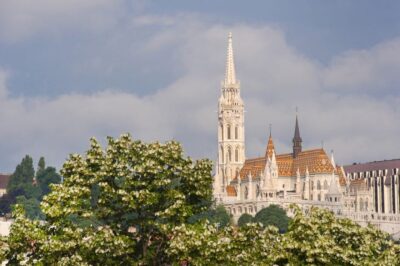
3-Hour Orientation Walking Tour of Buda and Pest
Read our review →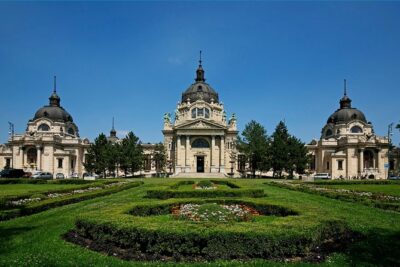
Budapest All in One Small Group Walking Tour with Strudel Stop
Read our review →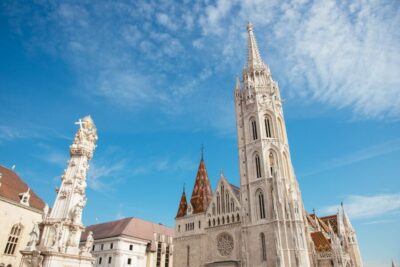
Buda Castle District Walking Tour with a Historian
Read our review →
BloodThirsty Hungary: Walking tour & Dark Historical Stories
Read our review →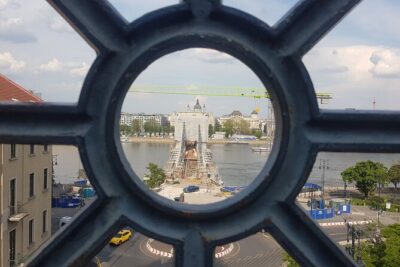
Browse the lists this tour appears in