Reviewed · TOURS
Budapest: Virtual Reality Tour in 8 Languages
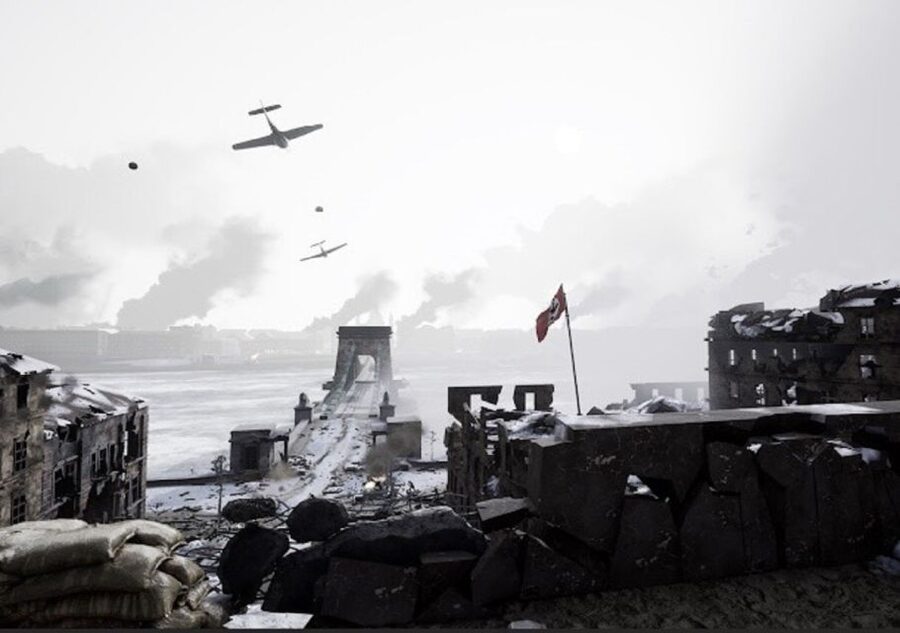
Budapest’s Castle District becomes a time machine on this walking tour. At six stops, you use virtual reality to see the castle being built, watch battles unfold, witness World War II destruction, and look down on the city from above. It is a clever way to add movement and drama to a history lesson.
I like the mix of real streets and digital scenes, and I like that the audio guide is available in eight languages. The guide handles the route and adds cultural context, while the headset supplies the spectacle. The main catch is that this is still a light hike, and VR is not suitable for people with migraines, epilepsy, heart problems, mobility impairments, or a fear of heights.
Key points at a glance
- Six VR stops in the Buda Castle District: Each stop places a historical scene over the streets and buildings around you.
- Three major periods brought to life: See medieval castle construction, the destruction of World War II, and the 1956 Hungarian Revolution.
- Aerial views without leaving the ground: The headset gives you a bird’s eye look over Budapest.
- Live help along the route: An English or Hungarian guide leads the walk and explains what you are seeing.
- Eight audio languages: Choose English, Chinese, German, Hungarian, Spanish, Russian, Italian, or French for the recorded narration.
- A practical starting point: The meeting place is near the Chain Bridge and Clark Ádám Square, with the tour ending where it begins.
Starting near Clark Ádám Square
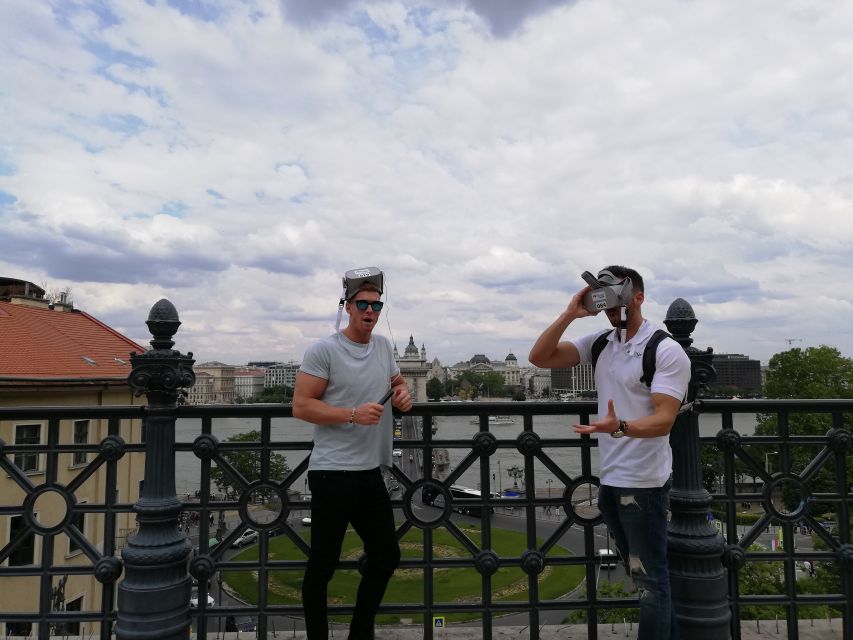
Your tour begins at Lánchíd u. 23 on the Buda side, close to the Chain Bridge and Clark Ádám Square. Look for the VR Tour flags facing the street, and arrive 15 minutes early. That extra time matters because you need to meet the guide, receive the equipment, and get ready before the group sets off.
This location is useful for a first or last activity in the Castle District. You are already near one of Budapest’s best-known river crossings, so the meeting point is easy to pair with a walk along the Danube or a visit to Buda Castle. The tour itself returns to this same point.
The guide leads the walking route, so you do not need to work out the Castle District’s streets while wearing a headset. The live guiding is in English or Hungarian. The historical narration in the headset is available in eight languages, which makes this a practical choice for mixed-language groups.
Bring a passport or ID card. You may also need to leave 200 euros as a deposit for the VR headset. Comfortable shoes are essential, and you should carry water during hot summer outings.
Other Budapest outings people book alongside this one:
- Budapest: City Highlights Cruise with Welcome Drink
★ 4.6 · 35,610 reviews - Budapest: Unlimited Prosecco, Beer and Aperol Spritz Cruise
★ 4.8 · 25,310 reviews - Budapest: Széchenyi Spa Day Ticket with Optional Upgrades
★ 4.3 · 23,911 reviews
Putting on the headset
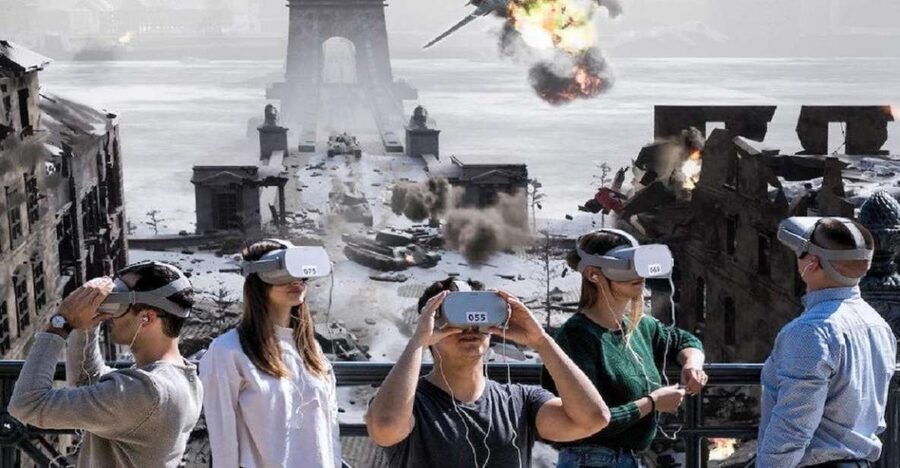
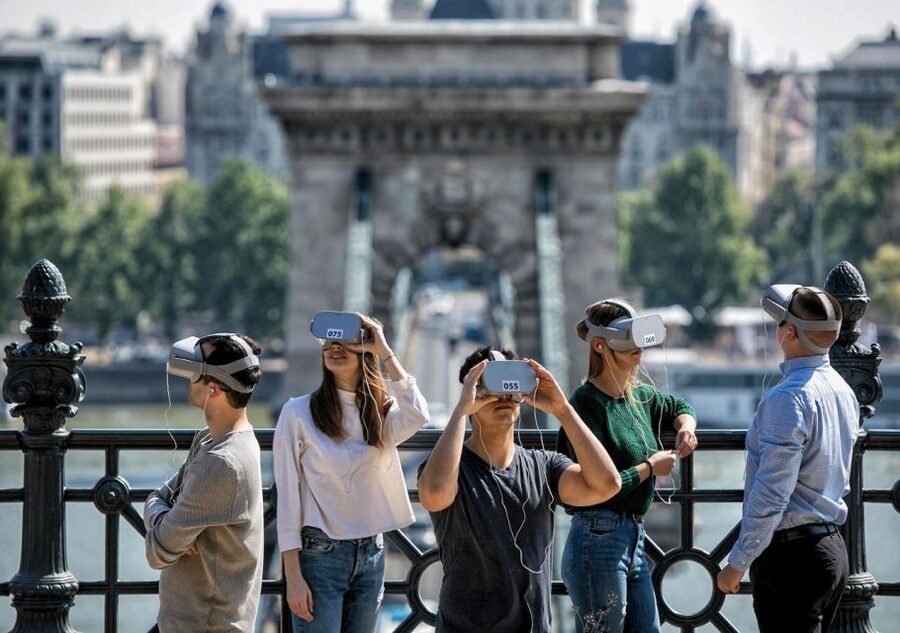
The tour supplies the virtual reality gear, a sterile headset, and a hygienic mask upon request. The equipment is the key part of the experience, but it also shapes the pace of the walk. You are not simply strolling through the district and listening to a guide. At each stop, you pause, put your attention into the digital scene, and then continue on foot to the next location.
The headset recreates events connected to the place around you. That connection gives the history more weight than a general city tour because the Castle District is not just a backdrop. You are walking through the same part of Budapest while the technology shows how it changed across different periods.
The recorded narration explains what is happening and why each event matters in Hungarian history. This is helpful because the visual scenes could otherwise become a string of impressive effects without much meaning. The guide fills in the gaps as you move between stops and helps you stay oriented.
If you have never used VR before, expect a short adjustment period. The experience includes scenes involving battles, destruction, and heights. Anyone prone to migraines should skip it, and it is also unsuitable for people with epilepsy, heart problems, mobility impairments, or a fear of heights.
Medieval Buda and the castle under construction
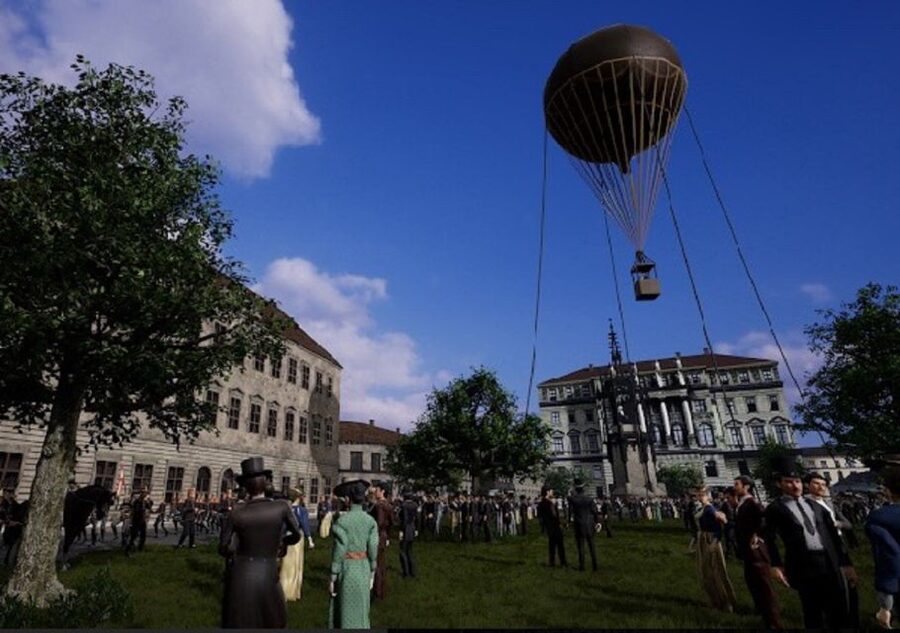
One of the strongest parts of the tour sends you back to the Middle Ages, when the castle was being built. The virtual display lets you see the site in an earlier form rather than only viewing the completed palace and later restorations.
That change in time is valuable because modern Budapest gives you only fragments of the past. Walls, courtyards, and grand buildings tell part of the story, but they do not show the noise, scale, or activity of construction. VR can fill in that missing picture quickly.
The stop works best if you pay attention to the setting before putting on the headset. Look at the actual buildings and streets first. Then compare them with the historical view. The effect depends on this contrast between what is in front of your eyes now and what the headset places over it.
The tour does not replace a full history tour or a museum visit. Its medieval section gives you a strong visual introduction, but the information is delivered in short stages as part of a moving route. If you want dates, detailed architecture, and long explanations, you may still want to visit the Castle Museum or another historical site separately.
Battles and the destruction of World War II
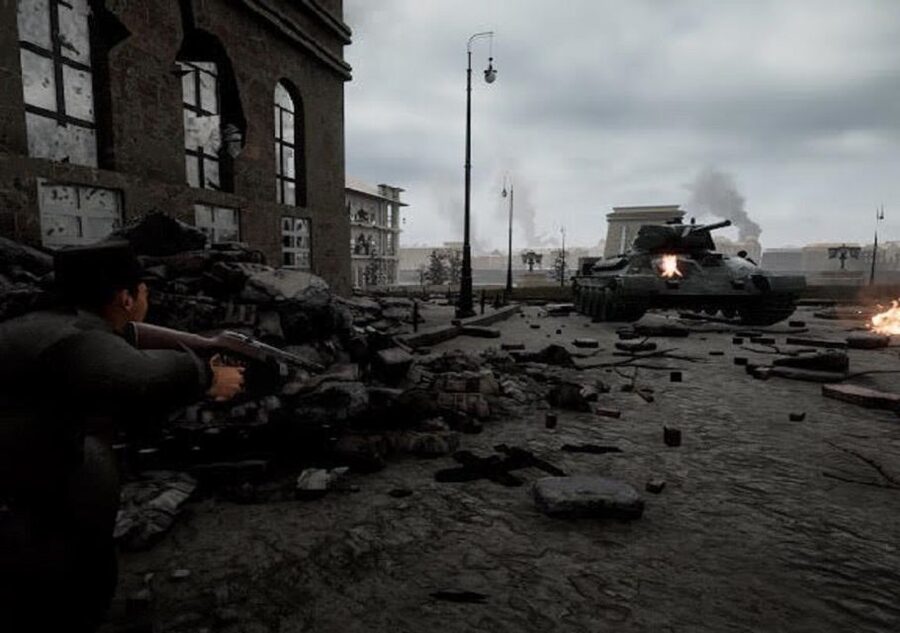
The VR scenes also cover the battles that shaped Budapest and the severe destruction suffered during World War II. Here the technology serves a different purpose. It is not only showing how buildings looked in the past. It is showing how conflict altered the city.
The battle scenes are likely to be the most dramatic section of the tour. You can see the action from within a historical setting rather than reading about it on a plaque. The audio narration gives the events a frame, so the display is connected to Hungarian history rather than presented as a free-floating action scene.
The World War II material is darker. You should expect images of damage and destruction, not a light entertainment stop. For many people, this is one of the most useful parts because it helps explain why parts of the Castle District look repaired, rebuilt, or different from their earlier form.
There is a practical limit to this format. A headset can show destruction vividly, but it cannot give a full account of the war, the political forces involved, or the lives of the people affected. Treat this as a visual introduction. If the subject catches your interest, take time afterward to visit a museum or read more about Budapest during the war.
Same city, a completely different way to spend an afternoon:
- Budapest: Nighttime or Daytime Sightseeing Cruise
★ 4.2 · 21,062 reviews - Budapest: 1-Hour Evening Sightseeing Cruise with Drink
★ 4.5 · 8,330 reviews - Budapest Danube Cruise and Dinner Options, Live Music and Dance
★ 4.5 · 7,428 reviews - Budapest: Historic Cruise with Welcome Drink
★ 4.7 · 6,512 reviews
The 1956 Hungarian Revolution
The tour moves forward again to the Hungarian Revolution of 1956. This keeps the experience from becoming only a medieval castle presentation. You see that Budapest’s history continued to change through the twentieth century, often under great pressure.
The revolution is a particularly good subject for a guided experience because its meaning is not obvious from the buildings alone. The narration places the event in a national context, while the virtual images show how unrest and conflict could affect the city’s streets.
For you, the value lies in the sequence. The tour jumps between centuries, but the repeated return to the same district shows how one place can carry many layers of history. Medieval construction, wartime damage, and political upheaval become connected through geography.
Do not expect a long lecture on 1956. The tour gives you a focused treatment within a 1.5-hour route. The visual scenes should help you remember the event, while the guide and audio explain its importance in broad terms.
Six stops and the bird’s eye view
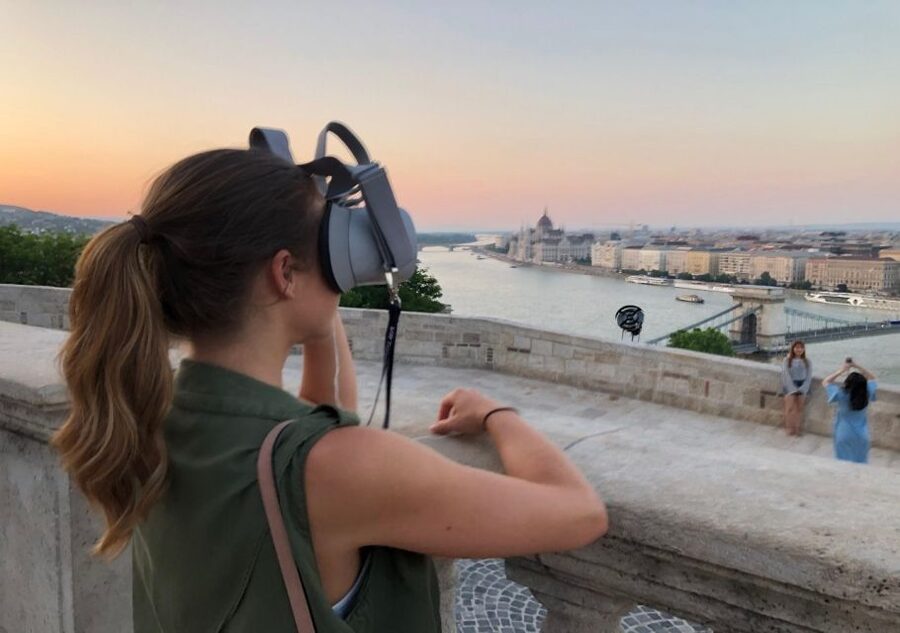
The tour includes six VR stops around the Castle District. The supplied details identify the main historical subjects but do not give a fixed name or separate description for every stop. That means you should think of the experience as a linked sequence, not six unrelated attractions.
Between the stops, you walk with the guide. The route includes a light hike, so wear shoes with good support. The exact starting times vary, and the activity is listed as lasting about 1.5 hours, while the route description refers to roughly two hours. Check the selected departure details when you book so you can plan the rest of your day with enough space.
One stop offers a bird’s eye view over Budapest. This is a fine use of VR because you can gain a citywide perspective without climbing to a lookout or leaving the walking route. It can help you understand how Buda, the Danube, the bridges, and Pest fit together.
At the same time, the height effect explains one of the health warnings. If you are afraid of heights, even a digital view may feel uncomfortable. You should not treat the aerial scene as a minor extra if that is a concern.
How the live guide and audio work together
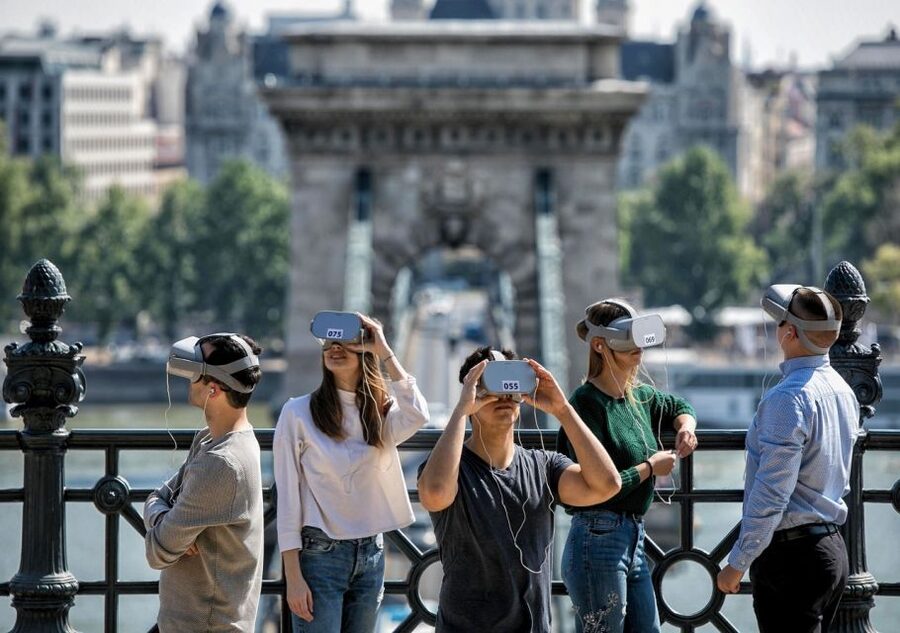
The division between guide and audio is one of the tour’s smart features. The live guide leads you through the streets, helps with the equipment, and explains the places you pass. The audio guide handles the VR scenes and is available in English, Chinese, German, Hungarian, Spanish, Russian, Italian, and French.
This arrangement suits groups with different language needs. A couple can walk together while choosing separate audio languages, though the live route support is in English or Hungarian. The audio also lets you focus on the scene without trying to hear a long explanation from a guide while looking through the headset.
The experience depends on both parts working together. If you rush through the digital scenes, you lose the historical point. If you ignore the guide between stops, you may miss the connection between one location and the next. I would treat the walking time as part of the tour, not as empty time between the attractions.
The equipment is provided and a sterile headset is included. A hygienic mask is available on request. Bring your identification or deposit money, since the headset requires security for its return.
Is $39 a fair price?
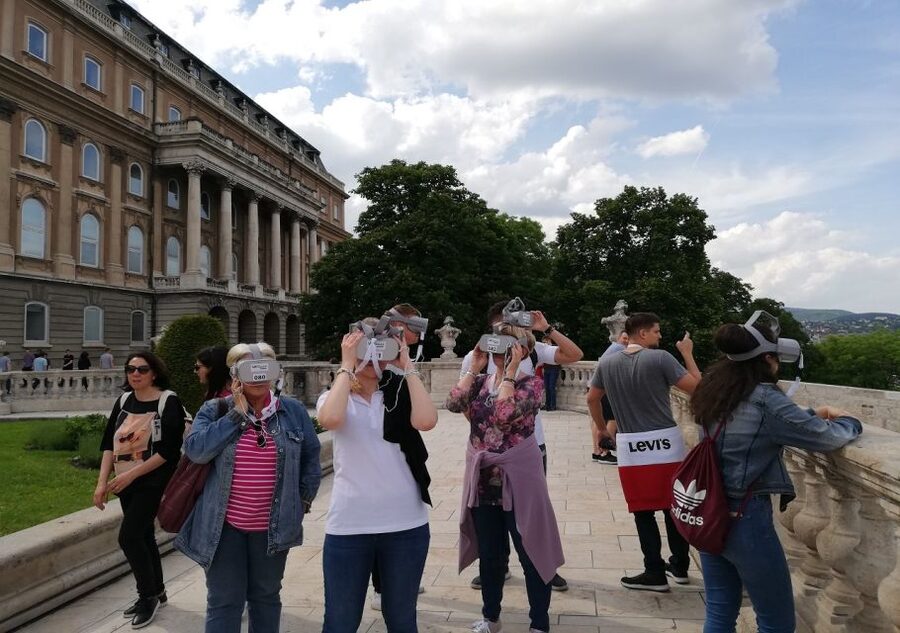
At $39 per person, this is not the cheapest way to see the Castle District. You can walk through the area on your own for free, and several viewpoints cost nothing. The price makes more sense if you specifically want the VR production, the guided route, and the historical narration in one package.
You are paying for six digital displays, equipment, a live guide, and a structured route. For a visitor who learns best through images, that may be good value. The tour also saves you from having to read several separate signs or arrange a history-focused visit on your own.
The value is weaker if you dislike headsets or already plan to spend hours inside museums. VR gives a fast, visual version of the past, but it does not provide the same depth as a full museum collection or a long specialist walk.
I would compare it with your interests rather than with the price of a normal sightseeing walk. Families with older children, first-time visitors who want a memorable introduction, and people curious about technology may find the cost reasonable. If your priority is architecture, quiet views, or detailed historical discussion, spend the money elsewhere.
Who should book this Castle District walk?
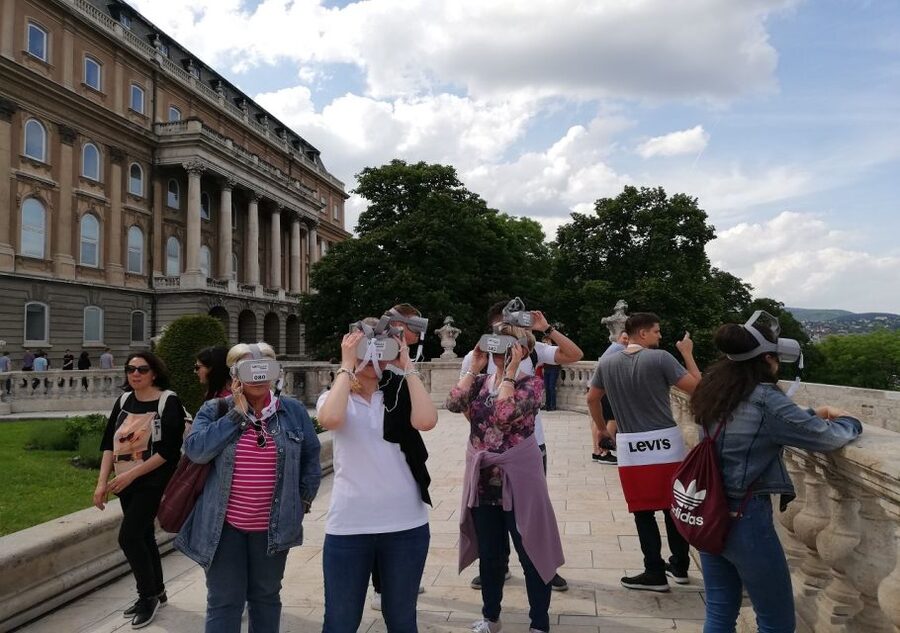
This tour suits you if you want Budapest’s past presented in a direct and visual way. It is especially useful if a standard walking tour sounds too static, or if you want to understand how the Castle District changed across several centuries.
It also works well for couples and small groups who want a shared activity with a clear structure. The tour lasts long enough to feel substantial but short enough to fit around other Budapest plans. Since it begins and ends near the Chain Bridge, you can add it to a day on the Buda side without arranging extra transport.
The tour is not a good fit for everyone. Skip it if you have migraines, epilepsy, heart problems, reduced mobility, or a serious fear of heights. The light hike and headset may make the experience uncomfortable, and there is no reason to force a technology-based activity when Budapest offers plenty of alternatives.
Hot weather is another consideration. The route is outdoors, so bring water in summer. Comfortable shoes are more important than fashionable ones.
Tips for getting more from the experience
Arrive early, especially because the meeting point is marked by flags rather than described as a major landmark. Find Lánchíd u. 23, face the street, and look for the VR Tour signs.
Before each display begins, take a moment to notice the real buildings around you. The historic effect is clearer when you compare the present-day view with the virtual reconstruction.
Use the language that lets you follow historical details most easily. The audio options are broad, but the live guide speaks English or Hungarian, so choose your headset language with the whole group in mind.
Carry identification or 200 euros for the equipment deposit. Bring water in hot weather, and tell the guide if you need help with the headset or the walking route.
Finally, give yourself a little time after the tour. The activity ends at the starting point near the Chain Bridge, leaving you well placed to continue through the Castle District or toward the Danube.
Should you book the Budapest VR tour?
Book it if you want a lively, technology-led introduction to Buda Castle and Hungarian history. The best reasons are the six stops, the clear range of periods, the aerial city view, and the combination of a live guide with audio in eight languages.
Skip it if you want a slow architectural walk, a detailed museum-style history lesson, or an activity without digital effects. The $39 cost is fair for the equipment and production, but only if you will enjoy using VR.
For the right visitor, this is more than a sightseeing gimmick. It gives you a memorable way to connect the castle’s present-day streets with medieval construction, wartime damage, and the 1956 Revolution. Just arrive prepared for a light hike, outdoor conditions, and a headset experience that may not suit every traveler.
FAQ
Where does the Budapest Virtual Reality Tour begin?
It begins at Budapest, Lánchíd u. 23, 1013 Hungary, on the Buda side near the Chain Bridge and Clark Ádám Square. Look for the VR Tour flags facing the street.
Where does the tour end?
The activity ends back at the same meeting point where it begins.
How long does the tour last?
The activity is listed as lasting 1.5 hours. The route description refers to roughly two hours, so check the selected departure details when planning your day.
Which languages are available?
The live guide speaks English or Hungarian. The audio guide is available in English, Chinese, German, Hungarian, Spanish, Russian, Italian, and French.
What should I bring?
Bring comfortable shoes, a passport or ID card, and something to drink during hot summer tours. You may also bring 200 euros as a deposit for the VR headset.
Is the tour suitable for everyone?
No. It is not suitable for people with mobility impairments, heart problems, epilepsy, or a fear of heights. It is also not recommended for people who suffer from migraines.
Just added around Budapest
- Budapest: Private, Personalized Pub Crawl, 3 drinks included★ 4.5 · 3 reviews
- Private day trip from Budapest to Bratislava, Vienna, and back★ 3.5 · 3 reviews
- Budapest: Private Adventure Sightseeing Bicycle Tour★ 4.5 · 3 reviews
- Private Danube Bend tour – full day★ 4.5 · 3 reviews
- Budapest: Guided City Walking Tour in Buda and Pest★ 5.0 · 3 reviews
- Budapest Old Jewish Quarter History Private Walking Tour★ 5.0 · 3 reviews
- Lake Balaton Full Day Private Wine Tour★ 5.0 · 3 reviews
- Budapest Urban Feast – Food Tour with Wine Tasting & Coffee House★ 4.5 · 3 reviews
Tours, compared.

Buda Castle District Vampires and Myths Night Tour
Read our review →
Budapest City Landmarks Walking Tour in 2 Hours
Read our review →
3-Hour Orientation Walking Tour of Buda and Pest
Read our review →