
Reviewed · WALKING TOURS
Budapest: Inner City Walking Tour in German
Budapest’s inner city tells its story in grand public spaces, solemn monuments, and elegant 19th-century streets. This two-hour walk takes you from the playful Budapest Eye to the serious memorials near Parliament, with a German-speaking guide to connect the pieces. I like the well-chosen route and the chance to see both famous sights and smaller details such as the smiling Mr. Safe statue.
I also like that the tour gives real attention to Hungary’s difficult 20th-century past, especially at Liberty Square and the Shoes on the Danube. Guides such as Zsóka and Uschi have been praised for clear explanations, personal insights, and useful food tips. The main consideration is time: two hours gives you a strong introduction, but not enough for extended visits inside the basilica or Parliament.
Key points of the Budapest inner city walk
- A compact Pest route: Walk from Elizabeth Park through the central pedestrian streets to Kossuth Square.
- German-speaking guidance: Your professional local guide explains the sights and answers questions in German.
- Big landmarks and small surprises: See Budapest Eye, St Stephen’s Basilica, the Mr. Safe statue, Liberty Square, and Parliament.
- Serious historical context: Learn about Nazi occupation, Communist rule, dictatorship, and the 1956 revolution.
- A private-group format: The route can feel more personal, with room for questions and individual interests.
- Flexible planning: You can cancel up to 24 hours ahead for a full refund and reserve without paying immediately.
Starting at Elizabeth Park and Budapest Eye
The tour begins in front of Molnar’s Kürtöskalacs, a café and pastry shop in the city center. That is a useful meeting point because you are starting near Elizabeth Park, one of the easiest places to get your bearings in central Pest.
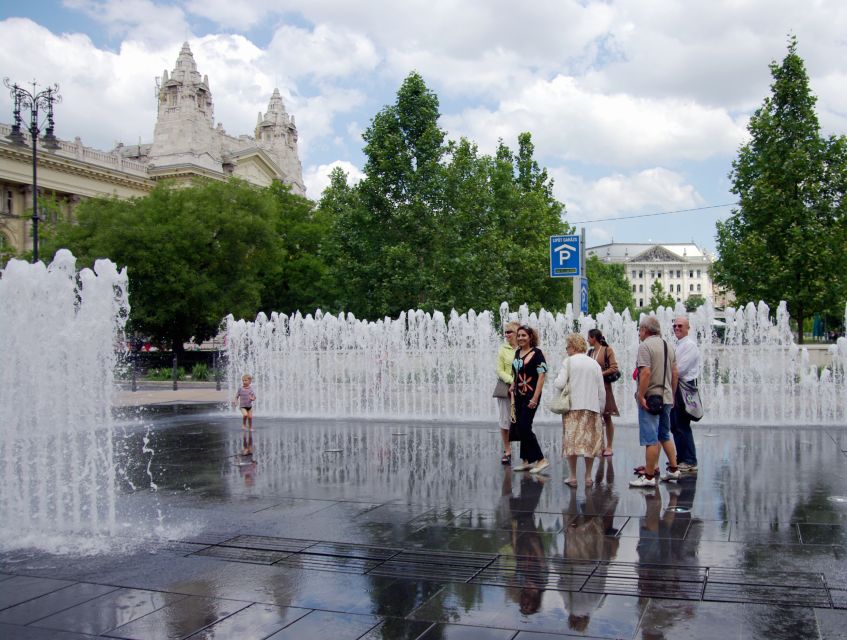
Elizabeth Park gives the walk a relaxed opening. Before the route turns toward grand churches and government buildings, you get a glimpse of how Budapest mixes public recreation with monumental architecture. The Budapest Eye rises nearby, described for this tour as the largest Ferris wheel in Europe. You will not ride it as part of the walk, but it makes an easy landmark and a cheerful first photo stop.
I like beginning here rather than plunging straight into a long history lecture. The park and Ferris wheel provide a light introduction, then the guide can shift your attention to the city’s architecture and past. It is a good rhythm for a short tour.
Because the activity lasts two hours, you should expect brief stops rather than long periods at each sight. If you want to ride the Ferris wheel, go inside a church, or take a separate look at every monument, plan extra time before or after the tour.
More walking tours in Budapest:
- Budapest: Buda Castle Walk with Saint Stephen’s Hall
★ 4.5 · 3,012 reviews - Big Bus Budapest Hop-On Hop-Off Bus and Walking Tour
★ 3.5 · 2,206 reviews - Budapest: Buda Castle District Walking Tour
★ 4.6 · 2,108 reviews
St Stephen’s Basilica and the grand center of Pest
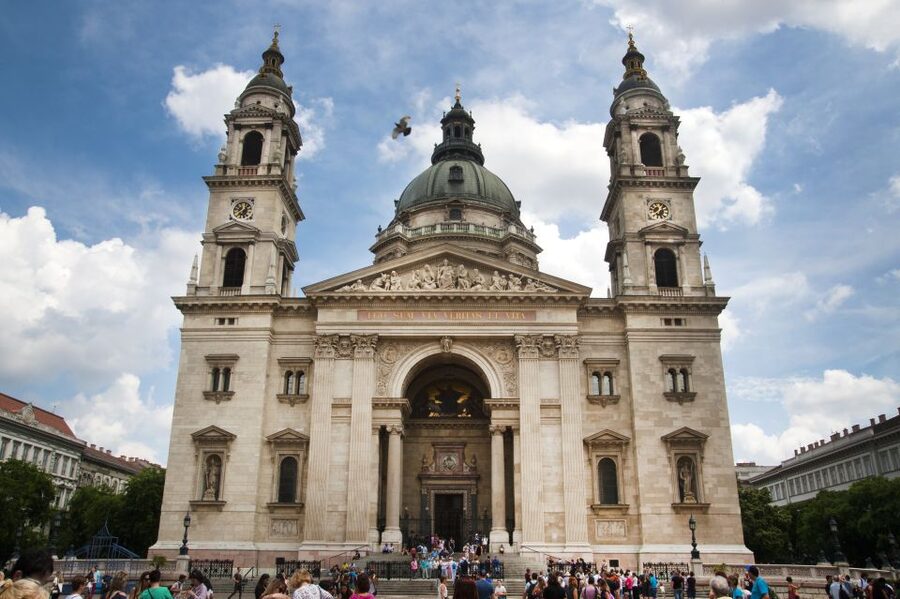
From Elizabeth Park, the route continues to St Stephen’s Basilica, one of the walk’s major highlights. Its monumental dome and colonnade give you an immediate sense of Budapest’s 19th-century ambition. The building is much more than a quick photo stop, so listen closely as your guide points out the features that make it important to the city center.
The basilica is also a useful place to understand the scale of central Pest. Budapest can feel intimate when you stroll its pedestrian streets, but large buildings such as St Stephen’s reveal the city’s imperial-era aspirations. The contrast between the open space around the basilica and the narrower streets that follow makes the route visually varied.
The tour description does not include an interior visit, so you should not book this walk expecting a detailed look inside the church. Its value here is the exterior, the surrounding square, and the story your guide builds around the building.
The German-language format matters at a place like this. Architectural terms and historical details are easier to follow in your strongest language, especially when the guide is explaining how Budapest developed rather than simply naming dates. Several guides, including Zsóka and Uschi, have been praised for making complicated material easy to absorb within a short time.
Pedestrian streets and the smiling Mr. Safe
After the basilica, the walk moves along traditional pedestrian streets in the inner city. This is where the pace becomes less formal. Instead of one grand monument after another, you get storefronts, street views, and the everyday feel of central Budapest.
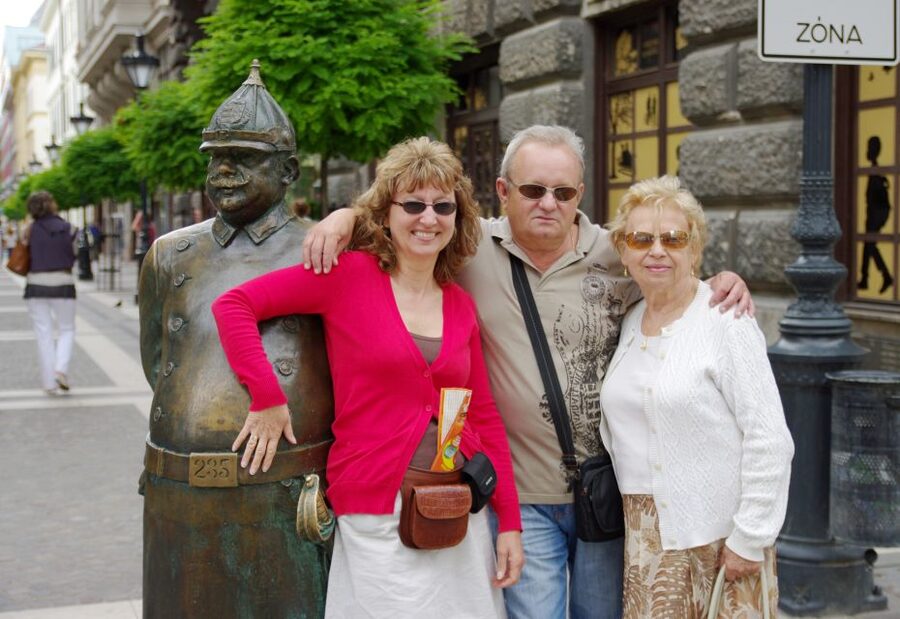
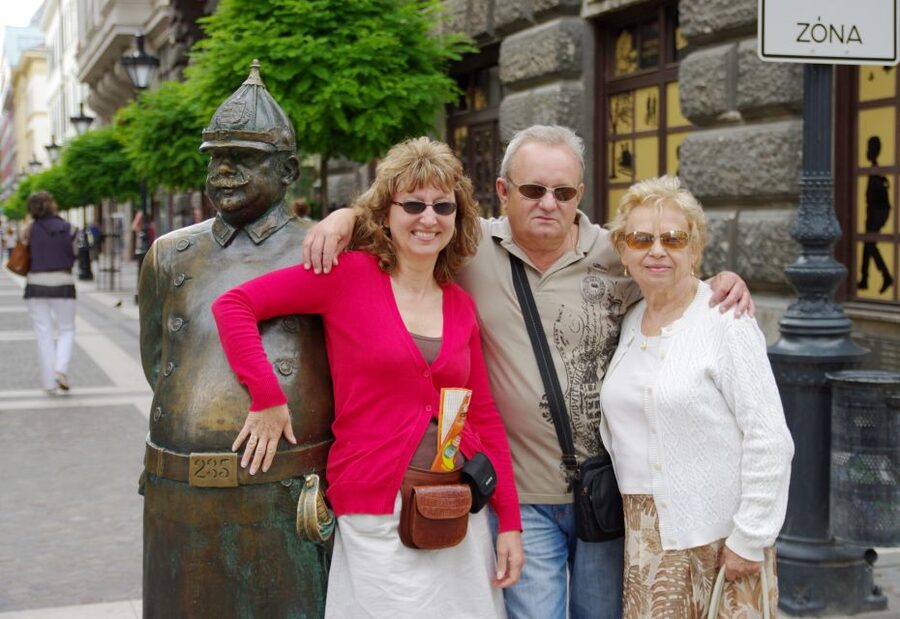
The statue of Mr. Safe is one of the route’s most unusual details. It is a small, playful break from the solemn buildings and political monuments. The guide will point it out, and it is likely to produce the smile promised by the tour description. I appreciate stops like this because they keep a city walk from becoming a procession of dates and facades.
These smaller details can also help you remember the route. You may forget the order of several architectural names, but a curious statue with a friendly character gives the walk a personal marker. It also provides a natural moment to ask your guide for suggestions about cafés, pastries, or other places to eat.
Food advice is one of the useful extras built into this experience. The guide is not only there to recite facts. You can ask for practical ideas about what to try in Budapest and where to continue after the walk, though the tour does not promise a tasting or a restaurant visit.
Liberty Square and Budapest’s difficult 20th century
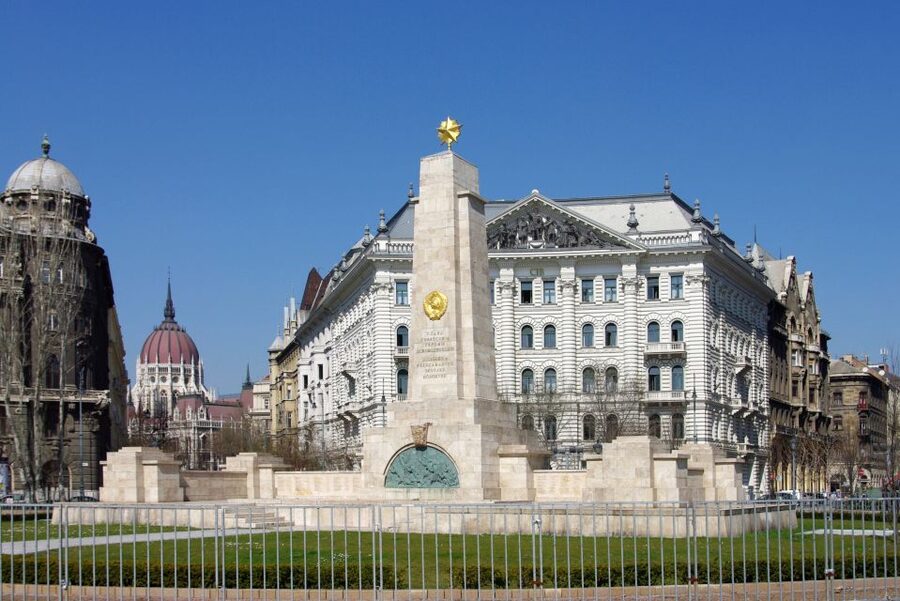
Liberty Square changes the mood. Here, the guide explains Budapest’s traumatic experience under Nazi occupation and Communist oppression. The square is important because it brings political history into the open, using monuments and surrounding buildings as evidence rather than treating the past as an abstract lesson.
This is one of the strongest parts of the route for anyone who wants more than a pretty city-center stroll. Budapest’s architecture can appear polished and grand, but the city’s recent past was marked by occupation, dictatorship, fear, and political control. Liberty Square helps you see that the attractive central streets have also been the setting for painful events.
You should be ready for a serious discussion. This is not a tour built only around photo opportunities, and the guide may cover subjects that require attention and patience. The benefit of a live guide is that you can ask for clarification, especially if you are unfamiliar with Hungarian history or the relationship between Nazi occupation and later Communist rule.
The square also gives the tour a useful balance. St Stephen’s Basilica and the pedestrian streets show the city’s beauty and daily life. Liberty Square asks you to consider the forces that shaped modern Hungary. That shift is handled within a short route, so the experience feels purposeful rather than scattered.
A few more Budapest half-days to weigh up
- Budapest: City Highlights Cruise with Welcome Drink
★ 4.6 · 35,610 reviews - Budapest: City Sightseeing Hop-On Hop-Off Bus Tour & Extras
★ 4.1 · 4,337 reviews - Budapest City Landmarks Walking Tour in 2 Hours
★ 5.0 · 2,048 reviews - Budapest: Danube River City Lights Express Cruise
★ 4.1 · 1,608 reviews
Kossuth Square and the Hungarian Parliament
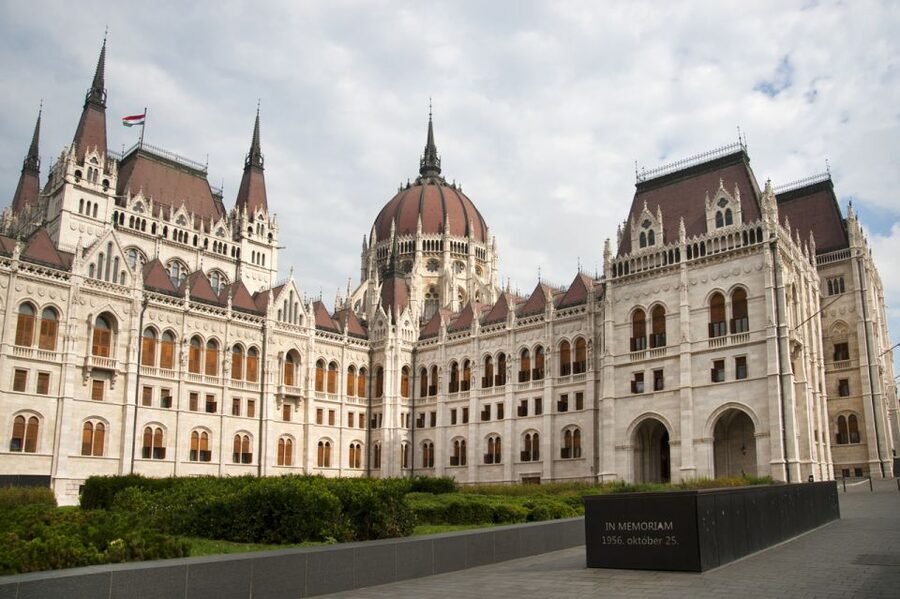
The final main stop is Kossuth Square, the broad public space surrounding the Hungarian Parliament building. Parliament is one of Budapest’s most dramatic sights, and the square gives you room to appreciate its size, detail, and civic importance.
Here, the guide continues the story of dictatorship and the 1956 revolution. This makes the ending feel like more than a grand architectural finale. The building and square become a setting for understanding Hungary’s political struggles and the public events that helped define the country’s modern identity.
I like ending near Parliament because it gives the walk a clear sense of direction. You begin in a park, pass through the religious and commercial center of Pest, confront the past at Liberty Square, and finish at the heart of national government. In two hours, the route covers a lot without sending you across the city by public transport.
Kossuth Square is also a practical place to continue your day. You can spend time near Parliament, walk toward the Danube, or follow the riverfront to the Shoes on the Danube Bank monument. The tour includes a visit to the memorial, or you can enjoy a stroll along the river after the main walk, depending on how the timing unfolds.
Shoes on the Danube and a thoughtful finish
The Shoes on the Danube Bank monument is one of Budapest’s most affecting memorials. The shoes represent Jewish people who were ordered to remove their footwear before being killed along the river during the Second World War. The tour connects this memorial with the earlier discussion of Nazi occupation, giving the subject a direct and human focus.
This is not a casual photo stop. Give yourself a moment to take in the memorial and the river setting. The contrast between the calm Danube and the violence remembered here is part of what makes the site so powerful.
The tour information allows for either a visit to the monument or a walk along the riverbank afterward. That gives the ending some flexibility, but you may want to confirm the exact plan with your guide at the start. If the memorial is important to you, say so early. If you would rather finish with a quieter river walk, that preference may also be worth mentioning.
The route’s treatment of 20th-century history is a major reason to choose it over a purely sightseeing-focused walk. You will see the postcard Budapest, but you will also hear about the events that changed the lives of people who lived here.
What the German-language guide adds
This is a live tour in German with a professional local guide, not an audio route that you follow on your own. That difference matters when the subject involves political changes, unfamiliar names, and several periods of history.
A German-speaking guide can adjust the pace and explain a point again when needed. The private-group format should also make it easier to ask questions than on a large fixed group walk. The strongest feedback about the guides focuses on clear explanations, a friendly manner, personal glimpses into local life, and the ability to cover the main facts without making the tour feel heavy.
Zsóka has been praised for combining history with culinary suggestions and information about sights. Uschi has been described as charming and engaging when explaining Hungary’s past. Other comments highlight guides who answered questions thoroughly and even allowed the walk to run a little longer. You should not assume that every booking will have the same guide, but these names give you an idea of the personal style associated with the experience.
The phrase private group is important here. It suggests a more tailored setting than a large public walk, though the supplied details do not state a maximum group size. If you have specific interests, such as architecture, Hungarian origins, or 20th-century history, mention them when you meet your guide.
Is two hours enough for central Budapest?
Two hours is enough for an overview of the inner city of Pest. You will see a useful sequence of landmarks and learn how they fit together, rather than spending the entire time at one building.
It is not enough for a slow architectural study of every facade or a detailed interior tour of St Stephen’s Basilica. The same applies to Parliament, which you see from the square rather than explore inside as part of this activity.
I would use this walk on your first day in Budapest. It gives you a map in your head, identifies places you may want to revisit, and supplies enough historical background to make later sightseeing more meaningful. Afterward, you can return to the basilica, the riverfront, or the Parliament area at your own pace.
Wear comfortable shoes. The route covers city streets and pedestrian areas, and the experience is a walking tour from beginning to end. It is listed as wheelchair accessible, though the practical ease of the route can still depend on street conditions and the needs of your group.
What the $23 price buys you
At $23 per person, the value rests mainly in the guide and the route. You are paying for a live German-speaking professional who can explain Budapest’s architecture, answer questions, add local food suggestions, and put difficult history into context.
The price is especially reasonable if you want a first orientation rather than several hours inside one attraction. You see the city’s central landmarks from the outside, move between them on foot, and finish near the Danube. That saves you the work of planning a logical route through Pest.
The cost may feel less attractive if you only want photographs of Parliament or St Stephen’s Basilica. You can see parts of this route independently. The tour earns its fee through the connections between the sights, the German-language explanations, and the chance to shape the conversation around your interests.
The booking terms add useful flexibility. You can reserve now and pay later, and cancellation is free up to 24 hours before the activity for a full refund. Starting times vary, so check availability when choosing your date.
Who should book this Pest walking tour?
I would recommend it to German-speaking visitors who want a clear introduction to central Budapest without spending half a day on a large group excursion. It suits couples, families, and small private groups that prefer to ask questions and keep the experience personal.
It is also a good choice if Hungarian history feels unfamiliar. The route covers the origins and development of Buda and Pest, major architecture, Nazi occupation, Communist oppression, dictatorship, and the 1956 revolution. That is a lot for two hours, but the best guides keep the information manageable.
You may want a different activity if your main goal is entering Parliament, riding Budapest Eye, or taking a long interior tour of the basilica. None of those is included as a dedicated visit. This experience is about seeing the inner city on foot and understanding what you are looking at.
Should you book it?
Book this tour if you want a focused German-language introduction to Pest, especially with a private group and a guide who can explain both famous landmarks and painful chapters of Hungarian history. The route is well balanced, moving from Elizabeth Park and Budapest Eye to St Stephen’s Basilica, Liberty Square, Parliament, and the Shoes on the Danube.
Skip it if you prefer to explore silently at your own pace or already know Budapest’s central monuments and modern history well. For most German-speaking visitors making a first visit, $23 is a sensible price for a compact orientation with room for questions, local advice, and a more human reading of the city.
FAQ
How long is the Budapest inner city walking tour?
The tour lasts two hours.
What language is the tour conducted in?
The live tour guide speaks German.
Where does the tour meet?
Meet your guide in front of the café and pastry shop Molnar’s Kürtöskalacs.
Is the tour private?
Yes. The activity is listed as a private-group tour.
Is the tour wheelchair accessible?
Yes, the tour is listed as wheelchair accessible.
Which Budapest areas does the tour cover?
The route explores the inner city of Pest, including Elizabeth Park, the area around St Stephen’s Basilica, pedestrian streets, Liberty Square, and Kossuth Square.
Can I see the Hungarian Parliament building?
Yes. The tour finishes in Kossuth Square, where you can admire the Hungarian Parliament building and the surrounding sights.
Is the Shoes on the Danube Bank monument included?
The tour includes a visit to the monument, or you may enjoy a walk along the Danube afterward.
Can I cancel for a full refund?
Yes. You can cancel up to 24 hours in advance for a full refund.
Do I have to pay when I book?
No. The reserve-now, pay-later option lets you hold your place without paying immediately.
Just added around Budapest
- Budapest: Private, Personalized Pub Crawl, 3 drinks included★ 4.5 · 3 reviews
- Private day trip from Budapest to Bratislava, Vienna, and back★ 3.5 · 3 reviews
- Budapest: Private Adventure Sightseeing Bicycle Tour★ 4.5 · 3 reviews
- Private Danube Bend tour – full day★ 4.5 · 3 reviews
- Budapest: Guided City Walking Tour in Buda and Pest★ 5.0 · 3 reviews
- Budapest Old Jewish Quarter History Private Walking Tour★ 5.0 · 3 reviews
- Lake Balaton Full Day Private Wine Tour★ 5.0 · 3 reviews
- Budapest Urban Feast – Food Tour with Wine Tasting & Coffee House★ 4.5 · 3 reviews
Walking Tours, compared.
Budapest City Landmarks Walking Tour in 2 Hours
Read our review →
3-Hour Orientation Walking Tour of Buda and Pest
Read our review →
Budapest All in One Small Group Walking Tour with Strudel Stop
Read our review →
Buda Castle District Walking Tour with a Historian
Read our review →
BloodThirsty Hungary: Walking tour & Dark Historical Stories
Read our review →
Browse the lists this tour appears in