
Reviewed · BUDAPEST
Budapest: Hungarian Gastro Cellar and Assisted Tastings
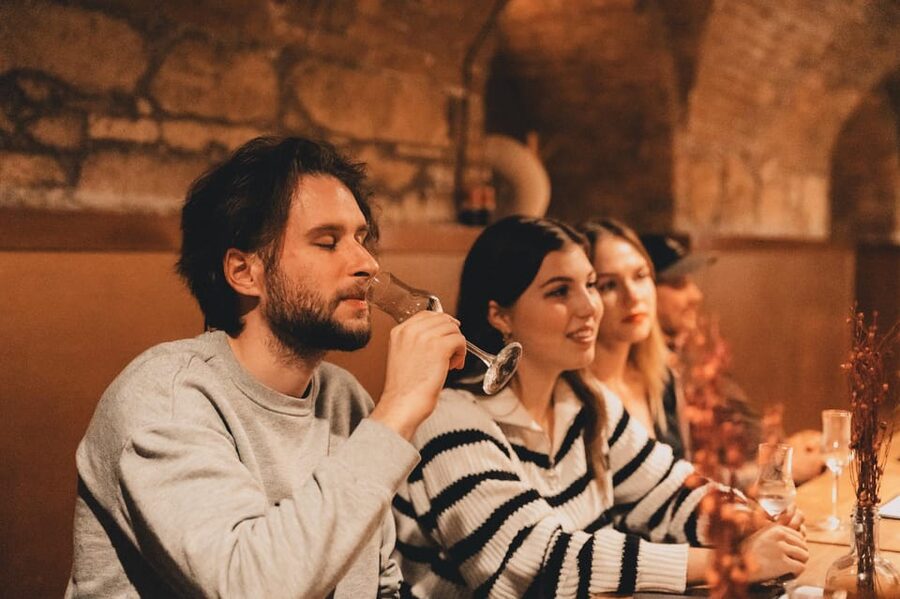
Hungary makes more sense once you taste it. At this central Budapest gastrocellar, you can compare local wines, strong fruit brandies, handmade syrups, jams, and familiar Hungarian foods in one stop. The selection includes more than 40 wines and 20 pálinkas, with assistance in English or Hungarian.
I like the freedom to arrive during opening hours, rather than being tied to one short tasting slot. I also like the cold platter of cheeses and charcuterie, which gives you something savory to eat between samples. The main consideration is that this is a cellar tasting, not a full guided food tour, so you should not expect a walking route or a long, fixed meal.
Key Points at a Glance
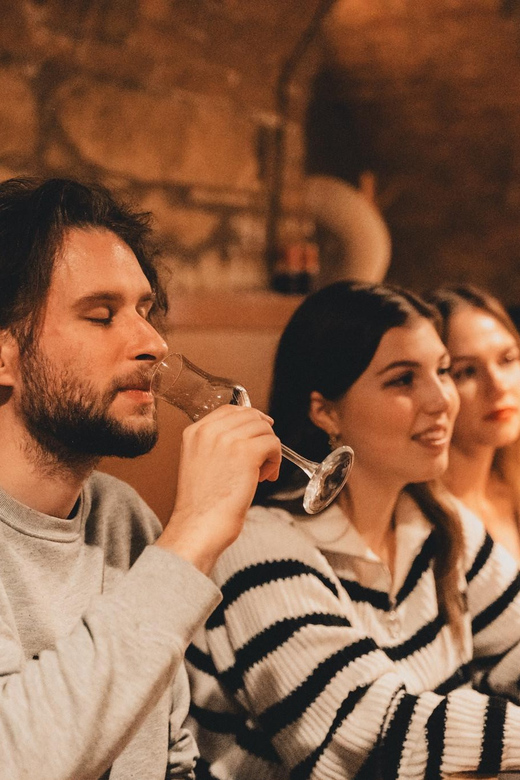
- More than 40 Hungarian wines: Learn about regions, grape varieties, and local producers while tasting selected bottles.
- Over 20 pálinkas: Try Hungary’s traditional fruit brandy and get help understanding how it is made.
- Cold platter included: Each option comes with charcuterie and cheeses, making the tasting more substantial.
- Flexible arrival: Come any time from 2:00 p.m. during the published opening hours.
- English and Hungarian assistance: An information booklet helps you follow the tasting even if you want to browse at your own speed.
- Central Budapest setting: This is an easy city stop for people who want local flavors without booking a full-day excursion.
A First Taste of Hungary in One Room
Hungarian food and drink can be easy to miss if you stick to familiar restaurant menus. You may find goulash soup and chicken paprikash in many places, but the country also has lesser-known dishes and drinks that tell you more about everyday Hungarian taste.
This experience brings several parts of that food culture together. You can focus on wine, choose the stronger character of pálinka, or select handmade jams and syrups. The food choices include both traditional and contemporary Hungarian dishes, although the exact dishes available with each option are not specified.
That range matters. If you are new to Hungarian wine, the tasting gives you a way to compare styles instead of ordering one bottle at random. If you already know you like spirits, the pálinka option gives you a clearer introduction to a drink that is closely tied to local customs. If alcohol is not your main interest, the jams and syrups offer another route into Hungarian flavors.
The format is assisted rather than fully structured. You receive an information booklet, and staff can help explain what you are tasting. That makes the visit suitable for an independent style of sightseeing. You can ask questions, read at your own pace, and spend more time with the category that interests you most.
Other Budapest outings people book alongside this one:
- Budapest: City Highlights Cruise with Welcome Drink
★ 4.6 · 35,610 reviews - Budapest: Unlimited Prosecco, Beer and Aperol Spritz Cruise
★ 4.8 · 25,310 reviews - Budapest: Széchenyi Spa Day Ticket with Optional Upgrades
★ 4.3 · 23,911 reviews
Choosing Between Wine, Pálinka, and Handmade Preserves
The biggest decision is choosing your tasting option. The experience includes local wines, pálinkas, or handmade jams and syrups, so I would make that choice based on your own drinking habits and curiosity.
The wine option is the natural pick if you want an introduction to Hungarian vineyards. During the tasting, you can learn about different wine regions, grape varieties, and producers. Hungary has more to offer than the familiar sweet wines often associated with the country, and an assisted tasting can help you notice those differences.
You do not need to arrive with a detailed knowledge of Hungarian wine. The booklet gives you a useful reference, while the staff can help explain the samples. For a first visit to Budapest, this is a practical way to place local wines in context before you decide what to order with dinner later.
Pálinka is a different experience. This clear fruit brandy is known for its forceful flavor and high alcohol content, so I would not treat the tasting like a casual series of shots. The selection includes more than 20 domestic pálinkas, and the staff can explain the production process and the character of the drink.
If you prefer stronger flavors, this is likely the most memorable option. It is also the choice that benefits most from assistance. A little background can help you understand why the fruit and production method matter, rather than judging the drink only by its strength.
The jams and syrups give you a non-spirit alternative. The available information does not identify the individual flavors, so you should regard this as a chance to sample Hungarian handmade products rather than a guaranteed list of particular fruits or recipes. This option may suit you if you want a taste-based activity but do not want wine or pálinka.
What the Cold Platter Adds
Every option includes a cold platter with charcuterie and cheeses. That is more important than it may sound. Alcohol tastes better and feels more manageable when paired with food, and the platter turns a quick sampling stop into a small snack break.
You should not confuse the platter with a full Hungarian lunch or dinner. It is a complimentary cold serving, not a multi-course meal. Still, cheese and cured meats give you something useful to compare with the drinks and provide a welcome pause between samples.
The platter also makes the $17 price easier to assess. If you only wanted a very small taste of one product, you might find a standalone shop visit cheaper or simpler. But once you include assisted explanations, the booklet, several samples, and food, the experience becomes a reasonable introduction to local products.
The precise number of samples in each option is not stated, so I would book it for the chance to explore a category rather than expecting a specific tasting count. If you need a full meal, plan another stop before or after.
Hungarian Wine Without Leaving Central Budapest
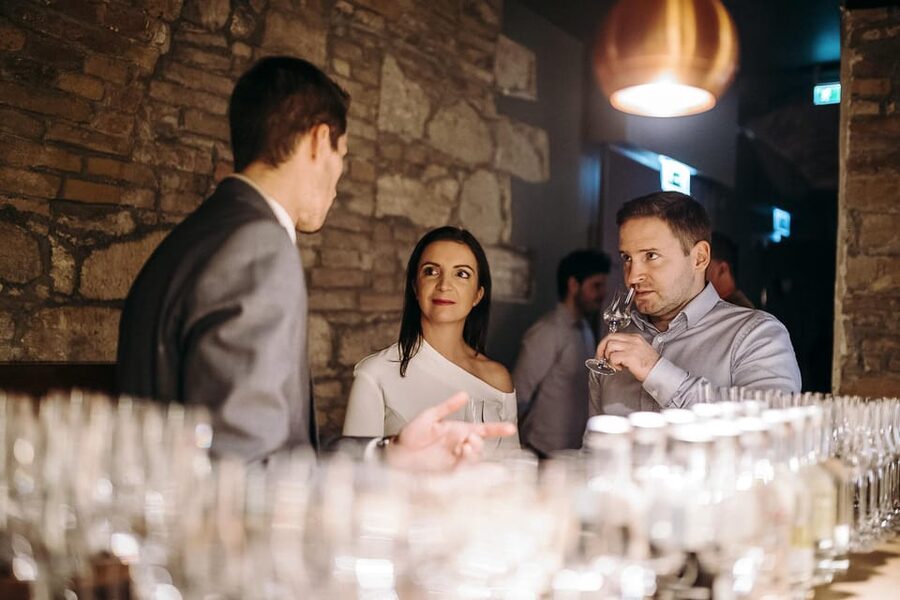
One of the practical strengths here is location. The gastrocellar sits in central Budapest, so you can fit it into a day of sightseeing without arranging transport beyond your normal city plans.
That makes it especially useful on a rainy afternoon, before dinner, or between major sights. Since you can arrive during opening hours, you are not forced to build your whole schedule around one appointment. The published hours begin at 2:00 p.m. every day, which suits an afternoon tasting more than an early lunch.
From Monday through Thursday and on Sunday, the cellar is open until 11:00 p.m. Friday and Saturday hours extend to midnight. Those later hours give you room to stop after sightseeing, although the tasting is still only valid for one day and you should check the current starting times when booking.
The flexible timing is one of my favorite parts of the arrangement. A fixed tasting can be awkward when a museum visit runs late or the weather changes your plans. Here, you can choose a time within the operating window, subject to availability.
Do keep one practical point in mind: flexible arrival does not necessarily mean you should arrive at closing time. If you want staff assistance and enough time to read the booklet, an earlier visit gives you a better margin.
Same city, a completely different way to spend an afternoon:
- Budapest: Nighttime or Daytime Sightseeing Cruise
★ 4.2 · 21,062 reviews - Budapest: 1-Hour Evening Sightseeing Cruise with Drink
★ 4.5 · 8,330 reviews - Budapest Danube Cruise and Dinner Options, Live Music and Dance
★ 4.5 · 7,428 reviews - Budapest: Historic Cruise with Welcome Drink
★ 4.7 · 6,512 reviews
Traditional Dishes and Less Familiar Hungarian Flavors
Hungarian food is often reduced to goulash soup and chicken paprikash. Those dishes deserve their fame, but they are only part of the picture.
This experience also points toward less familiar dishes that remain popular with local people and international visitors. The selection includes both contemporary and traditional Hungarian food, though the supplied details do not name the individual dishes or promise a complete meal.
That uncertainty is worth noting before you book. If your goal is to taste one particular dish, confirm the current food selection first. If your goal is broader, the combination of food, wine, and spirits gives you a useful starting point.
I like the idea of pairing food culture with drinks because it reflects how you actually experience a country. A list of wine regions can feel abstract. A sample with cheese, charcuterie, or a Hungarian dish gives you a more practical sense of what the country likes to eat and drink together.
The contemporary choices may appeal to people who already know traditional Hungarian food and want something less expected. The classic dishes may be better for a first-time visitor who wants recognizable local standards. Since the menu changes are not described, leave room for some flexibility.
How the Assisted Tasting Works
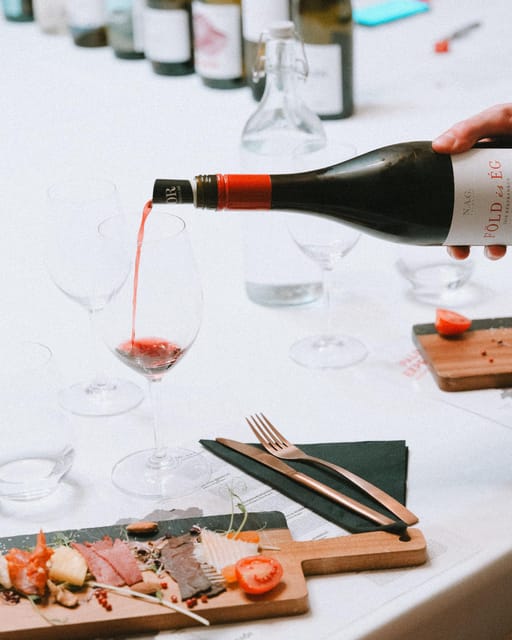
This is not presented as a formal class with a named instructor or a fixed itinerary. Instead, you receive a tasting option, an information booklet, and assistance in English or Hungarian.
That format gives you two ways to take part. You can ask staff for guidance and use the tasting as a short lesson, or you can read the booklet and keep the conversation brief. People who dislike rigid group activities will probably appreciate that control.
The staff support is particularly useful for the wine and pálinka options. Hungarian names, regions, and grape varieties may be unfamiliar, and the booklet helps you keep track of what you sample. For English speakers, the availability of English assistance removes a common barrier.
No guide names are provided, so I would not book this expecting a personality-led presentation from a particular host. The personal welcome appears to be part of the appeal, and the available feedback describes a warm welcome and reasonable prices, but the main value comes from the product selection and flexible format.
The experience has an overall rating of 4.4 from five ratings. That is a positive signal, but the sample is small. I would use it as supporting information rather than proof that every visit will feel the same.
Is $17 a Fair Price?
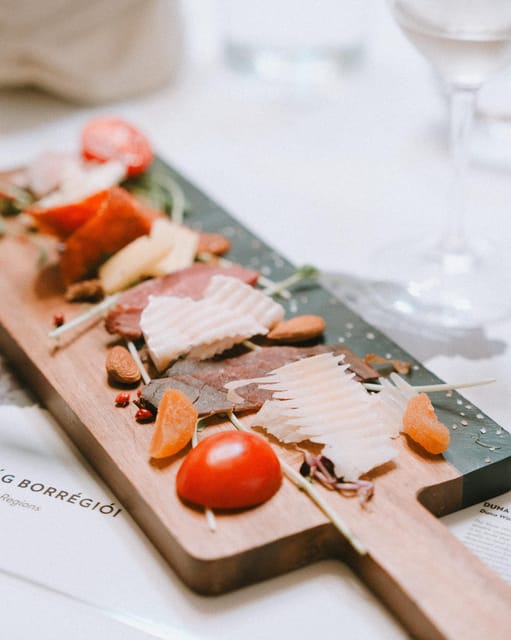
At $17 per person, this is priced as an accessible tasting rather than a luxury food event. The package includes local wine, pálinka, or handmade preserves depending on your chosen option, plus the booklet, staff assistance, and cold platter.
The value depends on how much you use the guidance. If you simply want a quick sample and already know your way around Hungarian products, you may prefer to explore shops and restaurants independently. If you want help identifying regions, production methods, and styles, the information adds useful value.
The cold platter is another reason the price works. You receive more than drinks alone, although it remains a snack and not a substitute for a proper meal.
The price also compares well with the cost of making several uncertain choices on your own. Ordering an unfamiliar pálinka or wine at a restaurant can be fun, but you may get only one example and little explanation. Here, you can make a more informed choice about what you want to seek out elsewhere in Budapest.
Because the details do not state exactly how many samples come with each package, I would check the option carefully before paying. The $17 figure is best understood as an entry price for a tasting experience, not a promise of unlimited sampling.
Who Will Enjoy This Budapest Stop?
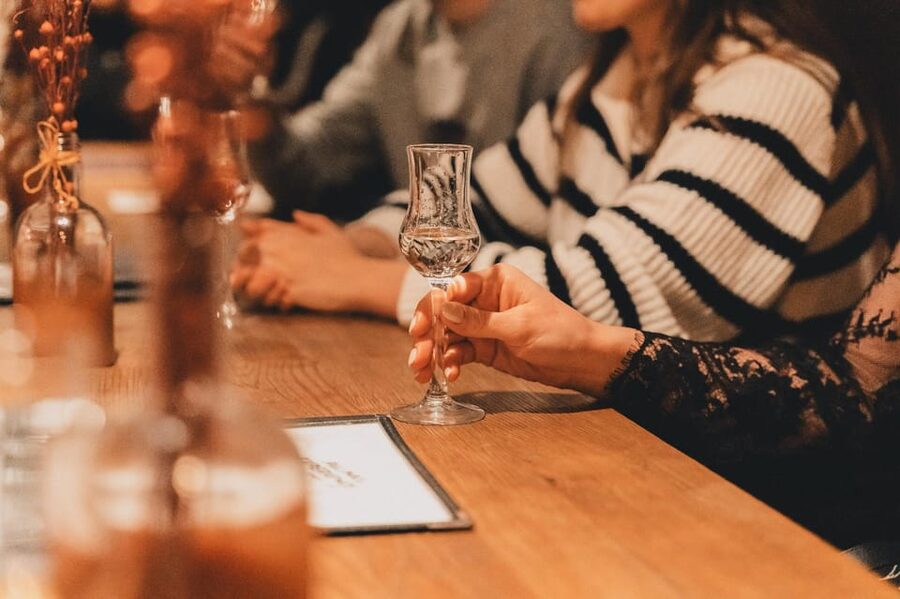
I would recommend this for you if you want local food and drink but do not want to spend half a day outside the city. It suits couples, small groups, and solo visitors who prefer to set their own pace.
Wine beginners should find the explanations helpful, while people who already enjoy spirits may want to choose pálinka for something more distinctly Hungarian. The jams and syrups option gives non-drinkers a way to take part, though the included cold platter may still contain products you do not eat.
This is also a good choice for a flexible itinerary. You can place it before an evening meal, after an afternoon of sightseeing, or on a day when you want a shorter cultural activity.
I would be more cautious if you want a detailed food-history lecture, a full guided meal, or a walking tour through Budapest. None of those features is promised. The experience is best viewed as a compact tasting stop with assistance, not a complete survey of Hungarian cuisine.
Practical Details Before You Go
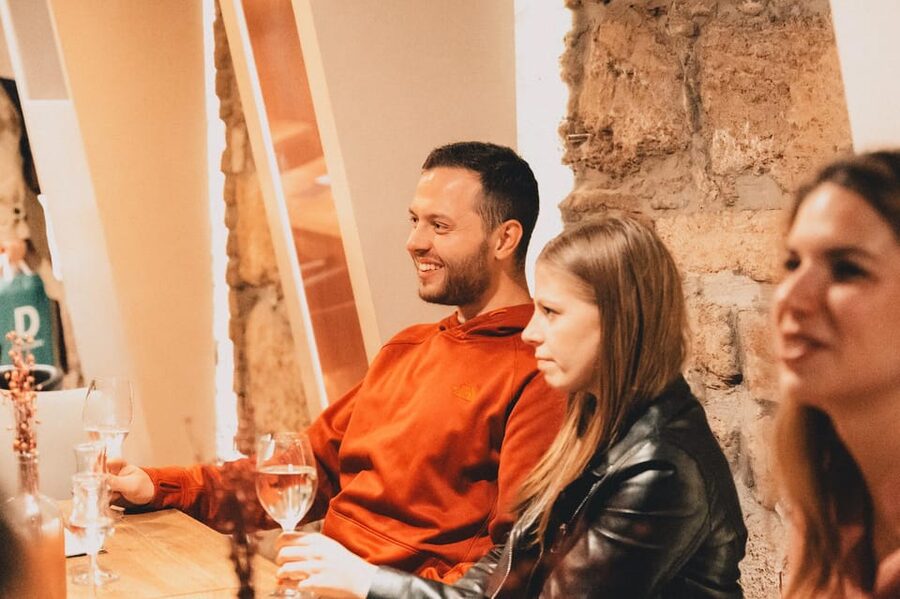
The cellar is open Monday through Thursday from 2:00 p.m. to 11:00 p.m., Friday and Saturday from 2:00 p.m. to midnight, and Sunday from 2:00 p.m. to 11:00 p.m. You can come during opening hours, but availability and starting times should be checked when you reserve.
The activity is valid for one day. English and Hungarian assistance are available, and the information booklet is included.
You can cancel up to 24 hours in advance for a full refund. A reserve now and pay later option is also available, which is useful if your Budapest schedule is still changing.
The provider is Hungaria Koncert Ltd. The central location makes this easy to add to a city itinerary, but the exact address is not supplied here, so check the meeting point before setting out.
Should You Book the Gastrocellar Tasting?
Book it if you want a low-cost, central introduction to Hungarian wine, pálinka, or handmade preserves, especially if you value flexible timing. The cold platter and English assistance make the $17 price practical, and the range of more than 40 wines and 20 pálinkas gives you plenty of local character to explore.
Skip it if you are looking for a full meal, a long guided tour, or a fixed list of named dishes. You should also confirm the exact tasting option and sample count before booking.
For most people, this works best as a well-placed Budapest food stop: short enough to fit around sightseeing, substantial enough to feel worthwhile, and local in focus without demanding a major time commitment.
FAQ
Where is the Hungarian Gastro Cellar located?
It is in a central, easily accessible area of Budapest. The exact address should be checked when booking.
How much does the experience cost?
The listed price is $17 per person.
How long does the experience last?
The booking is valid for one day. A specific tasting duration is not provided.
Can I arrive at any time?
You can come during the published opening hours. Check availability for the available starting times before booking.
What are the opening hours?
The cellar is open Monday through Thursday from 2:00 p.m. to 11:00 p.m., Friday and Saturday from 2:00 p.m. to midnight, and Sunday from 2:00 p.m. to 11:00 p.m.
What can I taste?
Options include local wines, pálinkas, handmade jams, and syrups. The experience also features traditional and contemporary Hungarian dishes.
How many wines and pálinkas are available?
The cellar has more than 40 wines and more than 20 pálinkas from which the tasting options are selected.
Is food included?
Yes. Every option includes a cold platter with charcuterie and cheeses.
Is assistance available in English?
Yes. Assistance is available in English and Hungarian, and an information booklet is provided.
Can I cancel for a refund?
Yes. You can cancel up to 24 hours in advance for a full refund.
Just added around Budapest
- Budapest: Private, Personalized Pub Crawl, 3 drinks included★ 4.5 · 3 reviews
- Private day trip from Budapest to Bratislava, Vienna, and back★ 3.5 · 3 reviews
- Budapest: Private Adventure Sightseeing Bicycle Tour★ 4.5 · 3 reviews
- Private Danube Bend tour – full day★ 4.5 · 3 reviews
- Budapest: Guided City Walking Tour in Buda and Pest★ 5.0 · 3 reviews
- Budapest Old Jewish Quarter History Private Walking Tour★ 5.0 · 3 reviews
- Lake Balaton Full Day Private Wine Tour★ 5.0 · 3 reviews
- Budapest Urban Feast – Food Tour with Wine Tasting & Coffee House★ 4.5 · 3 reviews