Reviewed · 3-HOUR EXPERIENCES
Art Nouveau Tour in Budapest: 3-Hour Private Tour
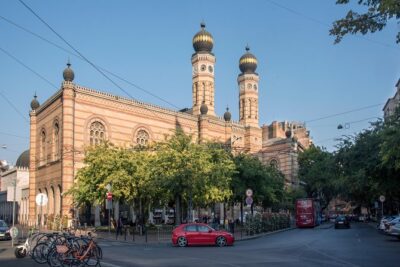
Budapest’s Art Nouveau buildings are easy to miss if you rush between the Parliament, Buda Castle, and the thermal baths. This three-hour private tour slows the city down and explains why so many late 19th-century facades are covered with curves, flowers, beehives, ceramics, and other carefully chosen details. You also learn why Hungarians call the style Secession, or szecesszió.
I like the personal format, since you can ask questions as they come up rather than wait for a large group to catch up. I also like that the tour reaches buildings you might not find on your own, while connecting architecture to Hungarian culture and the great decades of Budapest’s growth. The main consideration is the price, $127 per person, and the fact that this is an active city walk using public transport at points, so it is not suited to people with mobility impairments.
Key points
- Art Nouveau beyond the famous sights: See lesser-known Budapest buildings that are easy to overlook.
- Hungarian folk design: Learn how local motifs shaped Budapest’s version of Secession.
- Architecture with a story: Hear why beehives appear on public buildings and why Budapest has no skyscrapers.
- A genuinely private experience: Ask detailed questions and adjust the conversation to your interests.
- Guide Miklos: Expect clear explanations, local history, and help with the underground and tram system.
- Three focused hours: A good choice for an architecture-minded visitor who wants more than a quick photo stop.
Why Budapest’s Art Nouveau deserves three hours
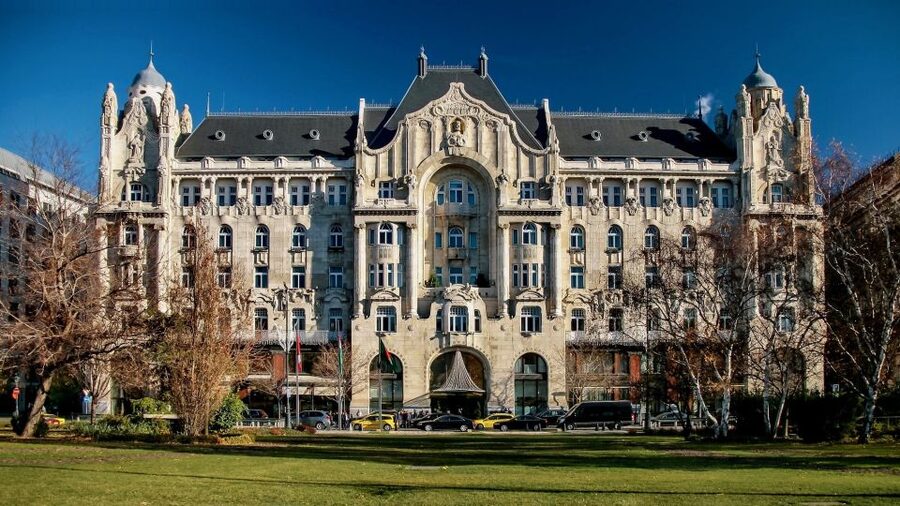
Budapest’s late 19th-century architecture is not just decoration for decoration’s sake. The facades reflect a city growing in confidence, experimenting with new building ideas, and searching for a style that felt Hungarian rather than simply imported from Paris, Vienna, or elsewhere in Europe.
That search is central to the tour. You learn why Art Nouveau is called Secession in Hungarian and how the style took on local character through folk motifs. The result is a useful way to read the city: floral lines, animal forms, geometric shapes, beehives, and other features begin to look less like random ornament and more like clues.
I especially value this kind of tour because Budapest can reward slow looking. A building that seems merely old from across the street may reveal ceramic work, symbolic patterns, or an unusual roofline when your guide points out what matters. You are not just collecting photographs. You are learning how to see the city’s architecture.
The tour also places Art Nouveau within the wider story of Budapest in the late 1890s and early 20th century. That means the conversation reaches beyond façades to urban growth, culture, national identity, and the architects who helped shape the city.
A few more Budapest half-days to weigh up
- 3-Hour Orientation Walking Tour of Buda and Pest
★ 4.8 · 1,834 reviews - Budapest: 3-Hour Grand City Tour and Castle Walk
★ 4.3 · 1,437 reviews - Budapest: 3-Hour Live Guided Sightseeing Tour
★ 4.4 · 1,041 reviews
Meeting your guide and getting oriented in Pest
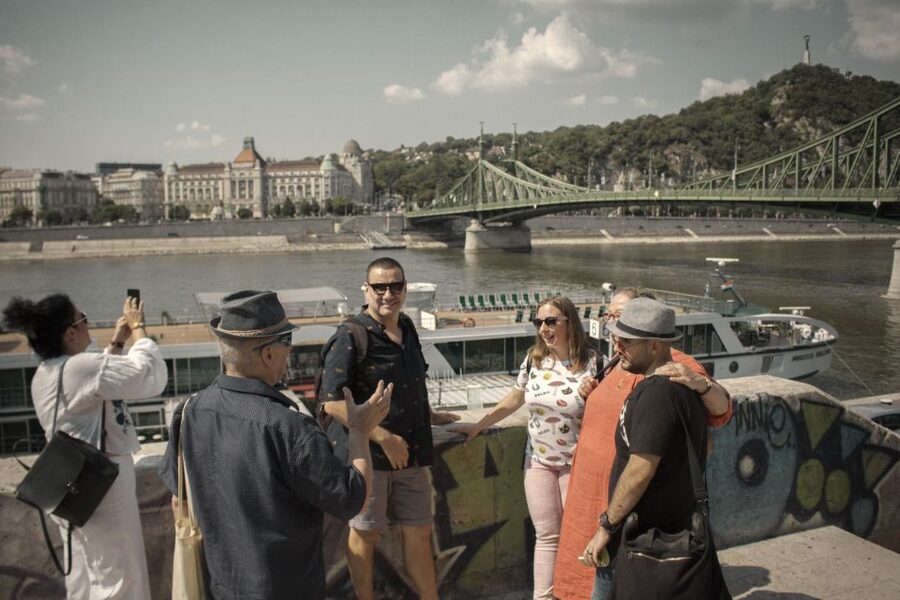
Your guide meets you at your accommodation in Budapest, provided you tell the local partner where you want pickup. From there, you make your way together to the first stop.
That arrangement is useful on a first morning in town. You do not need to find an unfamiliar meeting point, and your guide can introduce you to the city’s underground and tram system along the way. One past guest specifically valued this practical introduction, which can help you get your bearings for later independent sightseeing.
Transportation is not included as a separate tour feature, so you should expect to cover any public transport costs yourself if they arise. The supplied information does not give a fixed list of stations, buildings, or transit fares, so confirm the exact meeting and route details when booking.
The private format matters here. If you are fascinated by façades, you can spend more time on architectural detail. If you are more interested in Hungarian society, city planning, or daily life, you can steer questions in that direction. The guide is available in English, German, and Albanian.
Reading the decorative facades of late 19th-century Budapest
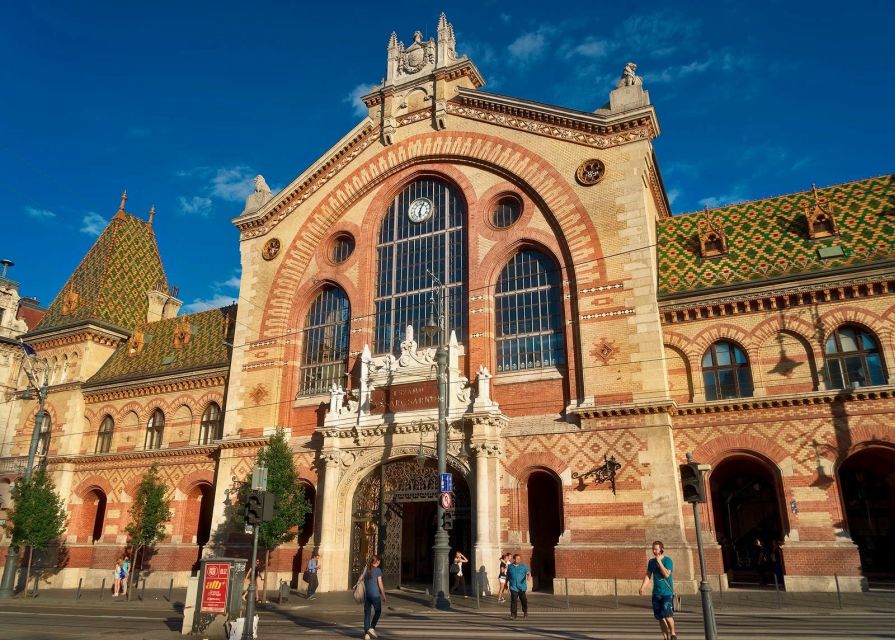
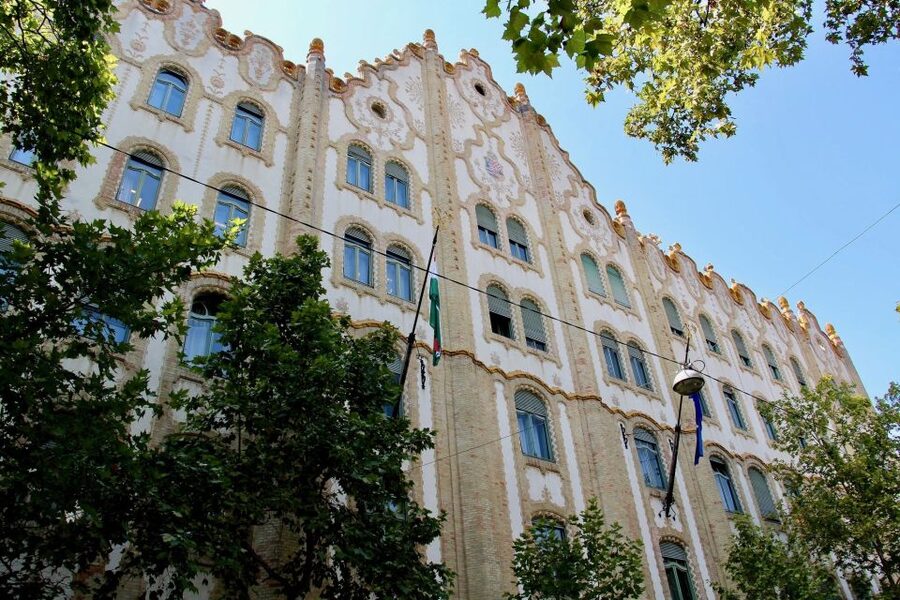
The central part of the experience focuses on the buildings themselves. You learn why so many late 19th-century facades are highly decorative and how Art Nouveau changed the way architects thought about buildings.
Rather than treating ornament as a thin layer added after the design was finished, the tour helps you consider how decoration, structure, and public identity worked together. Budapest’s buildings from this period can look theatrical, but their details often carry meaning. Your guide points out the patterns and symbols so you can understand what you are seeing instead of simply taking another street photo.
The tour is also designed to show you examples you might miss alone. You still see beautiful architecture, but the greater value comes from the explanation. Without guidance, it is easy to notice only the largest or most famous buildings. A private walk can direct your attention to less obvious examples and explain how they fit the period.
Expect plenty of opportunities to ask questions. The strongest part of the experience, based on the way it is structured, is the conversation between stops. Guide Miklos has been praised for being responsive, friendly, and able to explain both architecture and broader Hungarian life. The tour is not just a formal speech delivered at fixed points.
Hungarian folk motifs and the meaning of Secession
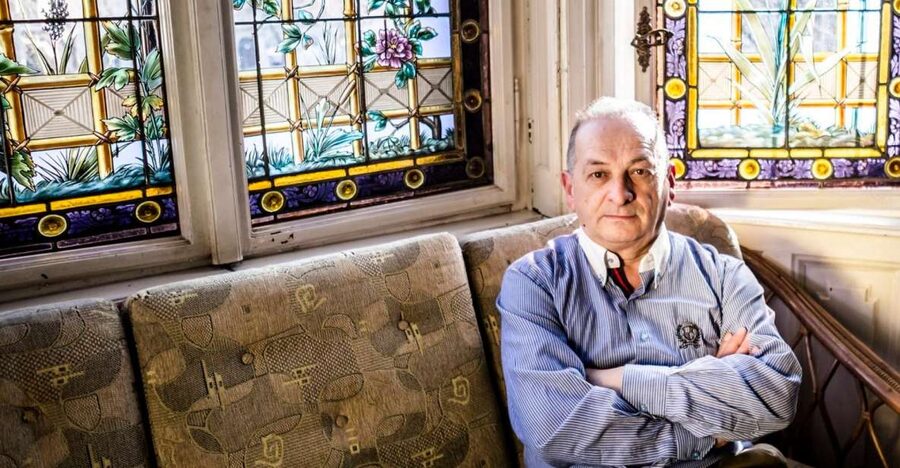
Budapest’s Art Nouveau is not a carbon copy of the style found elsewhere. One of the most useful subjects here is the way Hungarian folk motifs entered architectural design.
You hear how local patterns and forms were built into Secession buildings. That gives the architecture a stronger cultural setting. Instead of seeing Budapest as a city decorated in a fashionable European style, you begin to see architects trying to create something connected to Hungary’s own traditions.
The word Secession is worth understanding, too. The Hungarian term szecesszió points to a break from older rules and established academic styles. The tour explains why that break mattered and how it affected architecture in Budapest.
This is where the experience becomes more than an architecture stroll. You gain a clearer sense of how buildings can express changing ideas about national identity. The discussion may be especially useful if you have already seen Budapest’s grand historic center but want to understand the cultural forces behind its appearance.
Bring a notebook if you enjoy recording names, motifs, or ideas. Notebooks, pens, and printed material are included, so you do not need to prepare special supplies. Comfortable shoes and comfortable clothes are still important, since the tour takes place around the city rather than in one indoor museum.
Same city, a completely different way to spend an afternoon:
- Budapest: City Highlights Cruise with Welcome Drink
★ 4.6 · 35,610 reviews - Budapest: Unlimited Prosecco, Beer and Aperol Spritz Cruise
★ 4.8 · 25,310 reviews - Budapest: Széchenyi Spa Day Ticket with Optional Upgrades
★ 4.3 · 23,911 reviews - Budapest: Nighttime or Daytime Sightseeing Cruise
★ 4.2 · 21,062 reviews
Beehives, public buildings, and the clues above street level
One of the most memorable details promised on this tour is the meaning of beehives on Budapest’s public buildings. A small symbol like this can change the way you look upward as you walk.
Public architecture often uses images to communicate values. Once your guide explains what the beehive represents, it becomes part of a larger lesson about how buildings spoke to the people who used them. This sort of detail is easy to miss in a guidebook photograph and hard to interpret without local context.
The same applies to the architects’ stories. You hear about the people behind the buildings, their ideas, and the ways Art Nouveau revolutionized architecture. The supplied information does not name every architect or guarantee a fixed set of buildings, so you should think of the itinerary as a guided exploration rather than a checklist of famous addresses.
That flexibility is one of the benefits of going private. The route can focus on the parts of the subject that interest you most, within the available three hours. It also means you should ask at the start if there are particular buildings, architects, or themes you hope to see.
Why Budapest has no skyscrapers
The tour also addresses a question many visitors ask after spending time in the city: why are there no skyscrapers in Budapest?
This topic gives the architecture a broader urban setting. You are not only looking at individual façades. You are considering how Budapest developed, how its streets and buildings relate to one another, and why the city’s historic character has remained tied to a particular scale.
The provided details do not give a single official explanation or a specific height rule, so the guide’s discussion is likely the best place to ask for the full answer. That is another reason the private format has value. You can follow up instead of accepting a short fact and moving on.
For me, this is the kind of question that makes a city tour worthwhile. It starts with something visible and leads to a bigger understanding of Budapest’s past and present. You will leave with architectural facts, but also with a better sense of how the city’s appearance developed.
What the three-hour pace feels like
Three hours is long enough to build a proper story but short enough to fit around a busy Budapest itinerary. You cover several Art Nouveau examples, learn the main ideas behind the style, and have time for questions about Hungary and Budapest.
The pace is likely to feel active rather than strenuous. The tour includes movement through the city and may involve the underground and tram system, so comfortable footwear is essential. The experience is specifically not suitable for people with mobility impairments.
Weather matters. One participant enjoyed the tour on a cold day because the explanations kept the time moving, but you should still dress for outdoor walking and waiting between stops. There is no food or drink included, so plan a café break before or after the tour.
The three-hour limit also requires reasonable expectations. You will not study every Art Nouveau building in Budapest. You will get a focused introduction, selected examples, and a framework for continuing your own sightseeing afterward.
The value of a $127 private tour
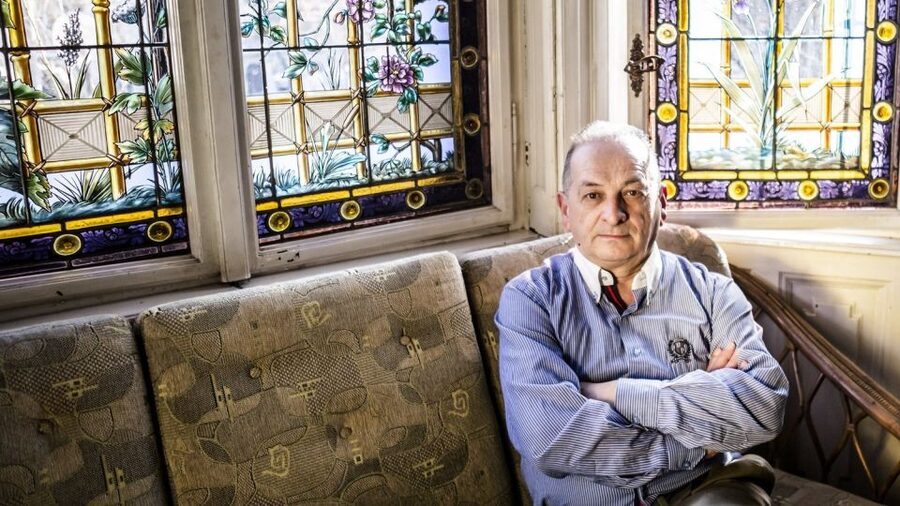
At $127 per person, this is not a low-cost orientation walk. The price makes the most sense for a private group that values conversation, specialist subject matter, and a guide who can adapt the experience to your questions.
A private tour can offer better value than a standard group outing if two or more people in your party are genuinely interested in architecture or Budapest’s cultural past. You are paying for the guide’s time, the private setting, pickup at your accommodation, printed material, and the chance to shape the discussion.
The value is weaker if you mainly want a quick introduction to the city or a list of top attractions. This tour is not built around Parliament, Buda Castle, or thermal baths as headline stops. Its purpose is narrower and more thoughtful: to help you understand Art Nouveau and find buildings you could easily pass without noticing.
Past praise has focused on the guide’s flexibility, clear explanations, punctuality, and personal approach. Miklos, in particular, has been singled out for combining architecture with wider stories about Hungary and for helping people use the city’s transport system.
There is one important warning. One booking received a very poor account because the party was not collected from the agreed place and could not reach the provider by phone. That appears to be an isolated problem beside the strong overall rating of 4.6 from 21 reviews, but it is still worth taking seriously. Confirm the pickup point, time, and contact details before the day of the tour.
Who will enjoy this tour most
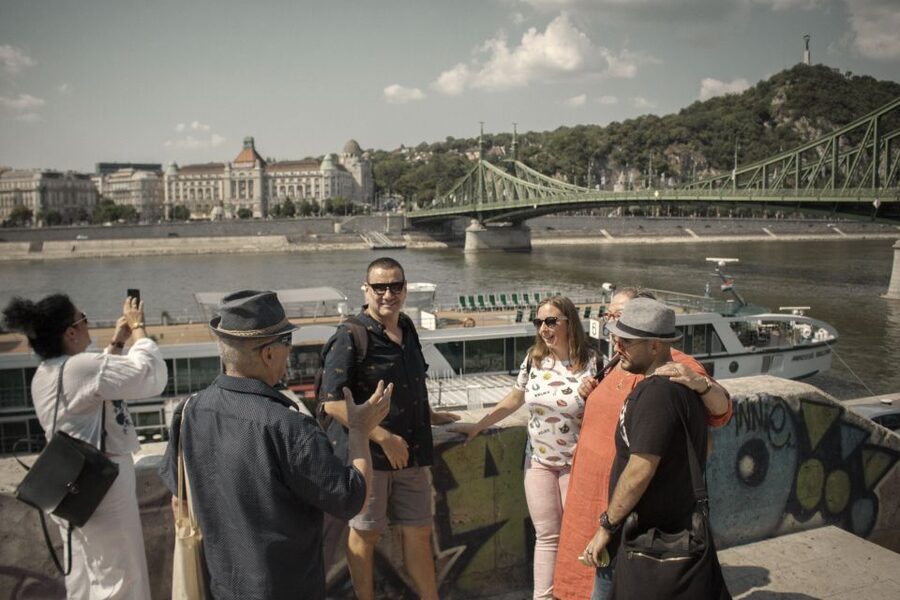
I would choose this experience if you like architecture, urban history, design, or cultural symbolism. It is also a good fit if you have already seen Budapest’s major sights and want a more specialized way to understand the city.
You do not need formal architectural training. The questions covered here, including decorative façades, folk motifs, beehives, Secession, and the lack of skyscrapers, give beginners plenty to work with. A curious first-time visitor can enjoy it as much as a serious architecture fan.
The private format suits people who dislike fixed group commentary. You can ask about Hungary’s history, local culture, or the architects behind a building without worrying about holding up a busload of people. The guide languages are English, German, and Albanian, so check that your preferred language is available for your date.
I would not pick this tour for a visitor with limited mobility, someone seeking a fully indoor activity, or anyone who wants a food-focused experience. Food and drinks are not included, and the tour is centered on moving around Budapest.
Practical tips for making the most of it
Tell the local partner your exact accommodation pickup point before you arrive. Because one poor experience involved a missed pickup and failed phone contact, clear communication is worth the small effort.
Wear shoes you can walk in comfortably and clothes suited to the weather. Bring a phone or camera if you want to record details, but keep your attention on the upper floors and decorative elements rather than only taking broad street views.
Ask about the route at the beginning. The exact buildings are not listed in the supplied information, and a private tour gives you a chance to state your priorities. If you are curious about folk design, architects, city planning, or public symbols, say so early.
Use the included notebook, pen, and printed material. They can help you remember names and motifs, especially if you plan to look for more Art Nouveau buildings on your own later.
Allow a little flexibility around the three-hour duration. Public transport and city walking do not always run to a perfect timetable, and the point of a private experience is often the useful question that was not on the original plan.
Should you book the Art Nouveau Tour?
Book it if you want Budapest explained through its architecture rather than simply photographed. The tour’s best qualities are its private format, strong guide-led conversation, access to less obvious buildings, and clear link between Art Nouveau and Hungarian identity.
The $127 price is fair for a private, specialist experience if you are sharing it with companions and will take advantage of the questions and flexibility. It is harder to justify if you want only a broad city introduction.
I would give this tour priority for architecture fans, repeat visitors, and curious first-timers who enjoy learning how a city works. Confirm your pickup details carefully, wear comfortable shoes, and expect an active three hours. For the right audience, it offers a thoughtful look at a side of Budapest that many sightseeing plans skip.
FAQ
How long is the Art Nouveau Tour in Budapest?
The tour lasts three hours.
What is the price of the tour?
The listed price is $127 per person.
Is the tour private?
Yes. It is offered for a private group.
Where does the tour begin?
Your guide meets you at your accommodation in Budapest. You need to tell the local partner where you would like to be picked up.
Which languages are available?
The live tour guide is available in English, German, and Albanian.
Are transportation, food, and drinks included?
Food and drinks are not included. Transportation is also not included, although the tour may introduce you to Budapest’s underground and tram system as you move between places.
Is the tour suitable for people with mobility impairments?
No. The activity is not suitable for people with mobility impairments. Comfortable shoes and clothes are recommended.
Can you cancel the tour?
You can cancel up to 24 hours in advance for a full refund. The activity also offers a reserve now and pay later option.
Just added around Budapest
- Budapest: Private, Personalized Pub Crawl, 3 drinks included★ 4.5 · 3 reviews
- Private day trip from Budapest to Bratislava, Vienna, and back★ 3.5 · 3 reviews
- Budapest: Private Adventure Sightseeing Bicycle Tour★ 4.5 · 3 reviews
- Private Danube Bend tour – full day★ 4.5 · 3 reviews
- Budapest: Guided City Walking Tour in Buda and Pest★ 5.0 · 3 reviews
- Budapest Old Jewish Quarter History Private Walking Tour★ 5.0 · 3 reviews
- Lake Balaton Full Day Private Wine Tour★ 5.0 · 3 reviews
- Budapest Urban Feast – Food Tour with Wine Tasting & Coffee House★ 4.5 · 3 reviews
3-Hour Experiences, compared.
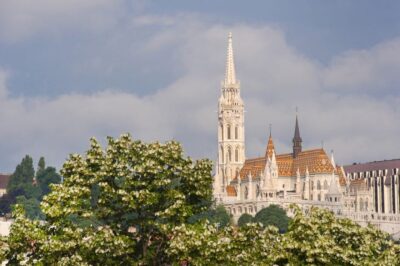
3-Hour Orientation Walking Tour of Buda and Pest
Read our review →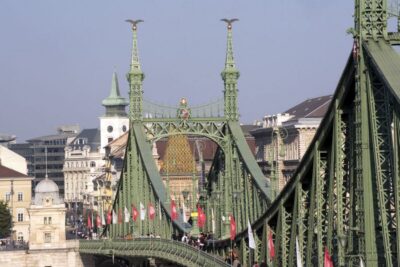
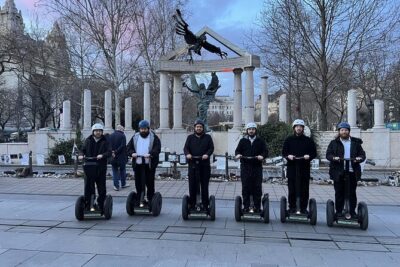
3 Hours Budapest Segway Grand City Tour Buda, Margaret and Pest
Read our review →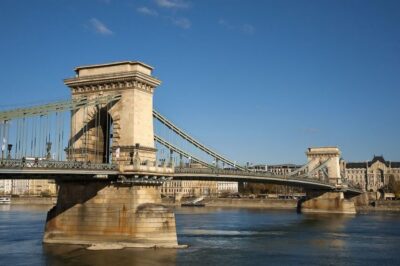
3-hour City Tour with Castle Walk + 1-hour Cruise
Read our review →
3-Hour Live-guided Bus Tour and 1-hour River Cruise
Read our review →