
Reviewed · WALKING TOURS
Budapest Grand Walk
Budapest Grand Walk packs a remarkable sweep of Pest into four hours, from the National Museum and 1956 Revolution sites to the Jewish Quarter, Heroes Square, and the Danube. You move mostly on foot, with short public transport rides that save your legs without breaking the flow.
I like the small-group format, which is limited to eight people and can make it easier to ask about Hungary’s complicated past. I also like the opening glass of Hungarian sparkling wine and the café stop, two simple touches that make the walk feel more personal than a standard roll call of monuments.
The main consideration is the amount of walking. This is a genuine grand walk, not a gentle stroll, and the route may run longer than four hours if you are not in a hurry. Wear comfortable shoes and avoid scheduling an immediate appointment afterward.
Key Things to Know Before You Book

- Start with sparkling wine: Meet at Tasting Table Budapest in the Palace district for a 15-minute aperitif before setting out.
- Cover a wide stretch of Pest: The route includes the National Museum, Andrassy Avenue, Opera House, St. Stephen’s Basilica, Heroes Square, and the Jewish Quarter.
- Use Budapest’s oldest metro line: A short ride on continental Europe’s oldest metro line adds a useful piece of city history.
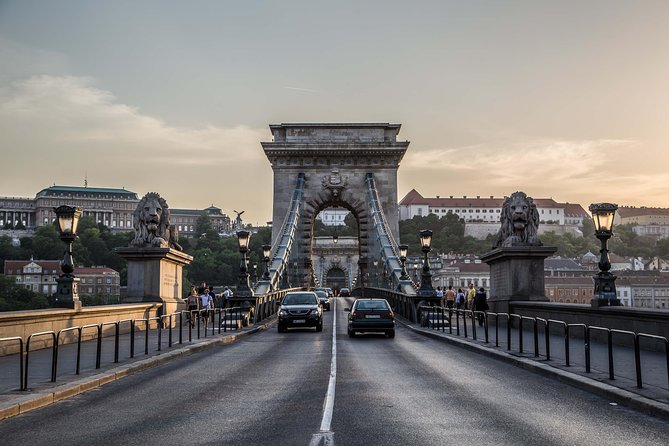
- Finish beside the Danube: The walk ends near Chain Bridge, with views toward Parliament and Buda Castle.
- Expect a history-led tour: The guide connects buildings and monuments to kings, dictators, freedom fighters, writers, architects, and the 1956 Revolution.
- Choose your group size: The standard shared tour holds two to eight people, with larger group and private options available.
Starting with Wine in Budapest’s Palace District
Your meeting point is Tasting Table Budapest, a wine shop and cellar at Bródy Sándor utca 22. The tour begins with a glass of Hungarian sparkling wine, giving you a relaxed first conversation with your English-speaking guide before the walking starts.
This opening is useful for more than refreshment. You are beginning in the Palace district, an area known for handsome old buildings, some carefully restored and others showing years of wear. That mixture gives you an early look at Budapest as it really is: grand in design, but not polished at every corner.
From here, the tour moves through streets connected with the Hungarian National Radio Building and the 1956 Revolution. The building’s role in that uprising gives your guide a clear way to explain Hungary’s modern political story, rather than presenting the city as a string of pretty façades.
You will also pass the Hungarian National Museum. The route does not include a museum visit, so do not book this walk expecting time indoors with the collections. Its value is the setting and the surrounding explanation, especially if this is your first day in Budapest and you need a framework for understanding the city.
More walking tours in Budapest:
- Budapest: Buda Castle Walk with Saint Stephen’s Hall
★ 4.5 · 3,012 reviews - Big Bus Budapest Hop-On Hop-Off Bus and Walking Tour
★ 3.5 · 2,206 reviews - Budapest: Buda Castle District Walking Tour
★ 4.6 · 2,108 reviews
Seeing Pest’s Grand Public Buildings on Foot
Walking is the core of this experience. That matters in Budapest because the details are often between the major sights: worn stonework, changing neighborhoods, connected courtyards, and streets shaped by several political eras.
The route includes Andrassy Avenue, one of Pest’s grandest boulevards, and the Hungarian State Opera House. The Opera is a neo-Renaissance building designed by Miklós Ybl, and even a short exterior stop gives you a sense of the city’s 19th-century ambition.
St. Stephen’s Basilica receives its own stop of about 15 minutes. The Catholic church is named for Stephen, Hungary’s first king, and holds his mummified right hand. That unusual relic helps connect the building to Hungary’s religious and royal past.
You should think of this part of the walk as an outdoor introduction, not a series of lengthy interior visits. The stated route emphasizes seeing, hearing stories, asking questions, and taking photographs. If you want to climb the Basilica dome or spend time inside the Opera House, plan those visits separately.
Heroes Square and a Ride on the Old Metro
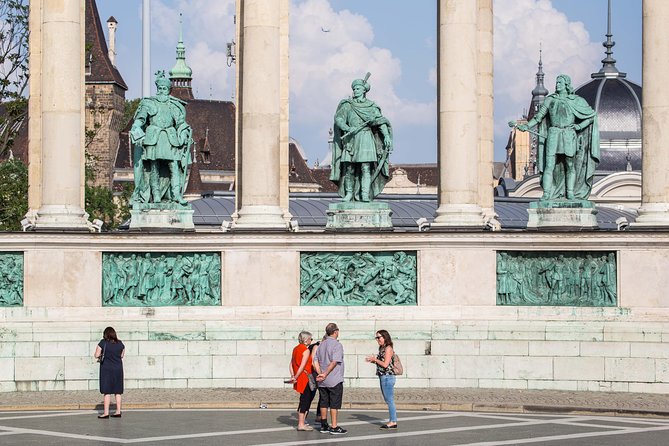
Heroes Square brings the route to one of Budapest’s most recognizable open spaces. Its monuments honor important figures from Hungarian history, making it another place where your guide can help turn a large ceremonial setting into something understandable.
The metro ride is one of the tour’s most distinctive touches. You take a short trip on continental Europe’s oldest metro line, linking the city’s transport system to its past. It also gives your feet a brief rest after the long walk.
A short public transport ride may sound minor, but it improves the pace. You can cover more of Pest without spending all four hours on pavement, and you get a small taste of how people move around the city today.
The tour includes several short trips on public transportation, not an unlimited transit pass. You should also expect to handle the normal practicalities of a walking tour, such as staying with the group and keeping your ticket or access details available if required.
Entering the Former Jewish Quarter
The route then reaches the former Jewish Quarter, one of the most layered parts of Pest. You pass the Grand Synagogue, described as Europe’s largest, along with Gozsdu udvar and Kiraly utca.
Gozsdu udvar is a connected complex of seven buildings and courtyards in the seventh district. Its passages now contain shops and restaurants, but the layout itself is worth noticing. This is the kind of place that can be easy to miss if you only follow Budapest’s main avenues.
The Grand Synagogue is a major landmark, but the tour does not list an interior admission. You will see it as part of the walking route and hear about the district that once formed the center of Jewish life in the city.
This section carries particular weight because Budapest’s Jewish story cannot be separated from the city’s 20th-century suffering. The guide’s role is important here. A good explanation can help you understand why the neighborhood looks lively today while still carrying visible reminders of the past.
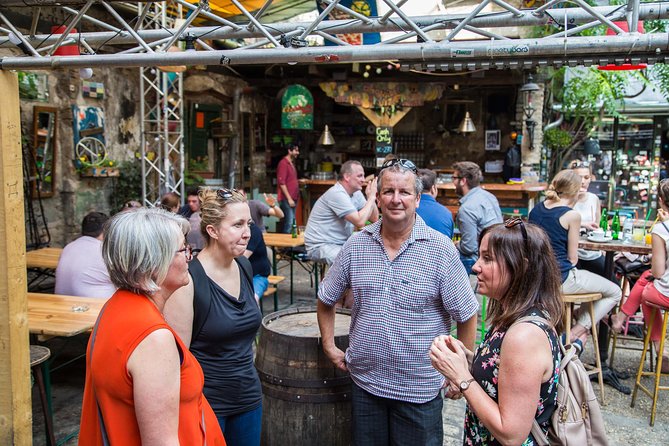
The café break comes during the tour, with one coffee or another drink included. The supplied information also notes coffee and tea, and one review describes a guide arranging dessert and lemonade for two people who did not drink coffee. That should not be treated as a guaranteed addition, but it does suggest that guides may adjust the stop when practical.
Same city, a completely different way to spend an afternoon:
- Budapest: City Highlights Cruise with Welcome Drink
★ 4.6 · 35,610 reviews - Budapest: Unlimited Prosecco, Beer and Aperol Spritz Cruise
★ 4.8 · 25,310 reviews - Budapest: Széchenyi Spa Day Ticket with Optional Upgrades
★ 4.3 · 23,911 reviews - Budapest: Nighttime or Daytime Sightseeing Cruise
★ 4.2 · 21,062 reviews
From Liberty Square to the Danube

The route continues through several grand civic spaces, including Liberty Square. Its buildings include the former stock exchange, and the square provides another chance to see how Budapest’s architecture reflects changing political and economic periods.
You also pass the Hungarian Academy of Sciences, housed in an elegant neoclassical palace built in 1865. This is a useful reminder that Budapest’s identity is not limited to churches and royal monuments. Its institutions, academies, government buildings, and bridges are central to the city’s story.
The tour also points out the Soviet Monument and memorials connected to figures such as a United States major and Ronald Reagan. These details may seem scattered at first, but they help explain how Budapest uses public spaces to remember different chapters of its political life.
The route eventually reaches the Danube promenade. Here, the city opens up. Across the river you can admire the neo-Gothic Parliament building, Chain Bridge, and Buda Castle, all from the Pest side.
The Shoes on the Danube Memorial
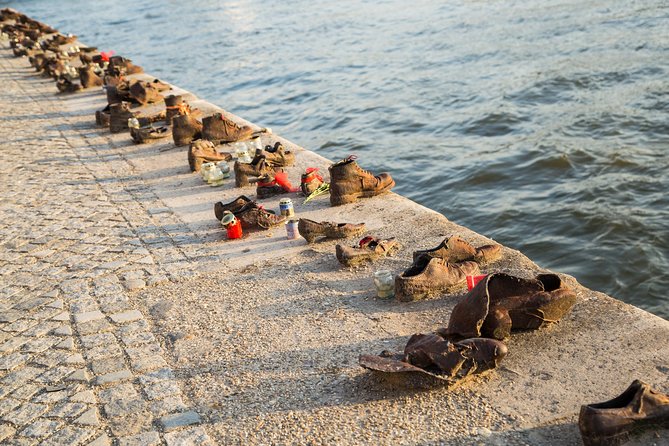
The Shoes on the Danube Memorial is one of the most powerful stops on the walk. The metal shoes along the riverbank honor Jews murdered beside the Danube during the Second World War.
This is not a place for a rushed photo and a quick departure. The memorial is simple, direct, and easy to understand without grand architecture. Your guide’s historical context can help you place it within Budapest’s wartime story, while the river and Parliament form a striking backdrop.
The tour also discusses Budapest’s bridges, which link Buda and Pest and remain vital to daily city life. The bridges are more than postcard subjects. They explain how the two halves function as one capital while retaining distinct identities.
You finish near Chain Bridge on the Pest side. That is a useful ending point because you can cross the bridge on your own and continue toward Buda Castle, or stay along the river for more views and photographs.
How Much Walking Should You Expect?
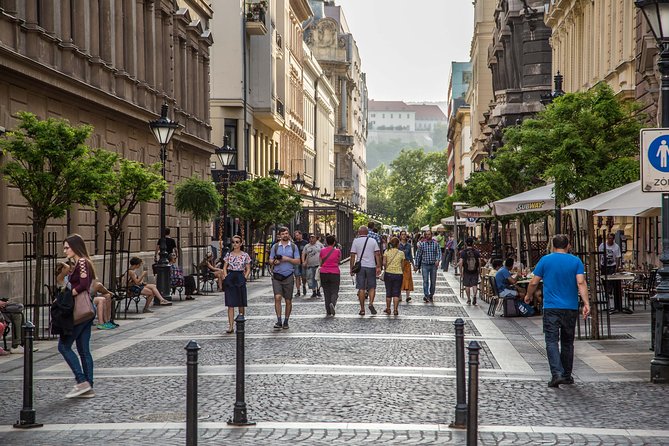
The name Grand Walk is accurate. The route covers a large area and includes many stops, with a moderate amount of walking specified in the practical details. One account described the tour as needing good shoes and plenty of energy, which is fair advice.
The tour begins in the Palace district and reaches Heroes Square, the Jewish Quarter, Liberty Square, and the Danube. That is a broad route for four hours, even with metro rides and a coffee break.
I would schedule it for a day when you can stay alert and keep moving. It can work well on your first day in Budapest, especially if you are trying to resist taking a nap after a long flight. One couple used it after a 14-hour overnight flight, and the combination of walking, conversation, and sightseeing helped them adjust to the time difference.
Tell your guide at the start if you have a fixed appointment afterward. The tour can stretch beyond four hours when the group is not in a hurry, so leave a generous buffer.
The Guides and Group Size
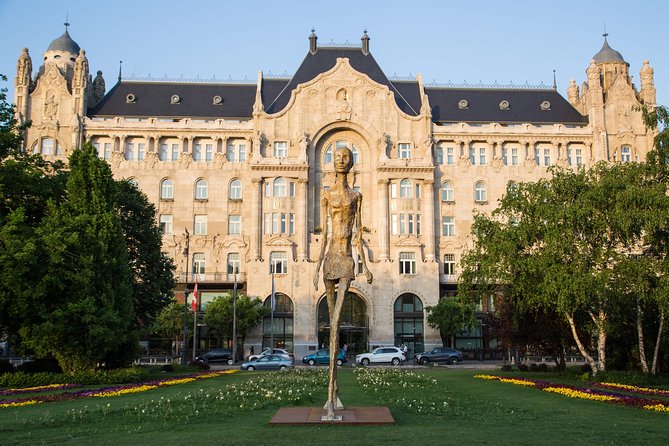
The tour is offered in English and led by an experienced local guide. Guides named in the supplied accounts include Aniko and Angela, with Aniko receiving especially strong praise for her command of Hungarian history and her ability to adapt the walk to her audience.
One account describes Aniko as Budapest-born and still living in the city, with excellent English. The same account says she adjusted the tour for people especially interested in history and discussed both official interpretations and disputed points. That kind of flexibility is a major advantage on a private or very small tour.
You cannot assume a particular guide will lead your departure. Still, the experience is designed around a local guide who can explain the city beyond dates and building names.
The shared group is listed as two to eight people. A small group makes the long route easier to manage and gives you a better chance to ask questions. Larger group and private options are available, and the private version can be customized if you have a preferred neighborhood or theme.
Is $125 a Fair Price?
At $125 per person, this is not the cheapest way to see Budapest. You are paying for four hours of guided attention, a wide route, a sparkling wine aperitif, one café drink, and short public transport rides.
The value depends on how much context you want. If you only need directions to Parliament and Heroes Square, you can explore Budapest for far less on your own. If you want one guide to connect the 1956 Revolution, Jewish Budapest, royal history, architecture, public monuments, and everyday city life, the price becomes easier to justify.
The strongest value comes when you book early in your stay. The walk gives you a working map of Pest and ends near Chain Bridge, so you can later return to the Basilica, Synagogue, Opera House, or Danube promenade with a better sense of where each place fits.
The tour is booked, on average, 34 days in advance. That is a useful signal to reserve before your trip if the date matters, especially since the standard group needs at least two people and the experience can be canceled if that minimum is not reached. If cancellation happens for that reason, you are offered another option or a full refund.
The stated cancellation policy is strict: your payment is non-refundable if you cancel or request an amendment. Read that carefully before booking.
Who Will Get the Most From This Walk?
I would recommend Budapest Grand Walk to a first-time visitor who wants orientation, history, and a serious amount of sightseeing in one afternoon. It is also a good fit if you prefer local explanation to simply following a map.
It suits people who enjoy questions and conversation. The guides can spend more time on subjects that interest you, and the private option allows further customization.
The tour is less suitable if you dislike long walks, need regular rest, or want extensive interior time at each major attraction. It is also not the best choice if your schedule is tight after the meeting time.
Most people can participate, and the tour is near public transportation, but comfortable shoes remain essential. The route crosses busy central districts, historic streets, squares, and the riverfront, so expect a full city walk rather than a short sightseeing circuit.
FAQ
Where does the Budapest Grand Walk begin?
The tour begins at Tasting Table Budapest, a wine shop at Bródy Sándor utca 22 in Budapest’s Palace district.
Where does the tour end?
The walk ends near Chain Bridge on the Pest side of Budapest. You can cross the bridge afterward to continue exploring Buda Castle on your own.
How long does the tour last?
The tour lasts about four hours. It can run longer if the group is not in a hurry, so tell your guide at the beginning if you have somewhere else to be.
What is included in the price?
The experience includes an English-speaking local guide, a glass of Hungarian sparkling wine, one coffee or other drink during the café break, and several short public transportation rides.
How large is the group?
The shared small-group tour accepts two to eight people. Larger group and private tour options are also available.
What happens if the tour is canceled because too few people book?
The tour requires a minimum of two participants. If it is canceled because that minimum is not met, you are offered a different date or experience, or a full refund.
Should You Book Budapest Grand Walk?
Book it if you want a strong first-day overview of Budapest and are ready to walk. The route covers far more than the usual Parliament and Basilica photo stops, and the guide’s historical storytelling is the main reason to choose it.
I especially like the mix of serious memorials, grand architecture, neighborhood streets, public transport, wine, and coffee. You get a practical introduction to both the postcard Budapest and the city underneath it.
Skip it if you want a slow pace or a series of long indoor visits. For most active first-time visitors, though, $125 buys a useful foundation, a broad look at Pest, and an easy starting point for the rest of your stay.
Just added around Budapest
- Private day trip from Budapest to Bratislava, Vienna, and back★ 3.5 · 3 reviews
- Budapest: Private, Personalized Pub Crawl, 3 drinks included★ 4.5 · 3 reviews
- Budapest: Private Adventure Sightseeing Bicycle Tour★ 4.5 · 3 reviews
- Private Danube Bend tour – full day★ 4.5 · 3 reviews
- Budapest: Guided City Walking Tour in Buda and Pest★ 5.0 · 3 reviews
- Budapest Old Jewish Quarter History Private Walking Tour★ 5.0 · 3 reviews
- Lake Balaton Full Day Private Wine Tour★ 5.0 · 3 reviews
- Budapest Urban Feast – Food Tour with Wine Tasting & Coffee House★ 4.5 · 3 reviews
Walking Tours, compared.
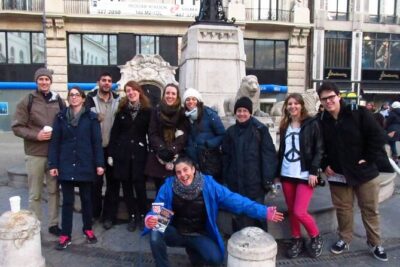
Budapest City Landmarks Walking Tour in 2 Hours
Read our review →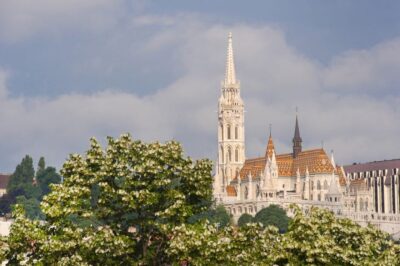
3-Hour Orientation Walking Tour of Buda and Pest
Read our review →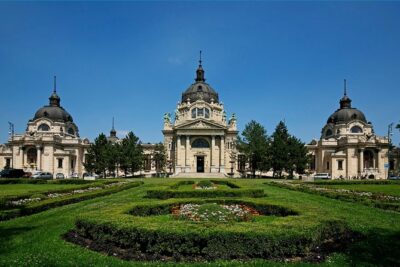
Budapest All in One Small Group Walking Tour with Strudel Stop
Read our review →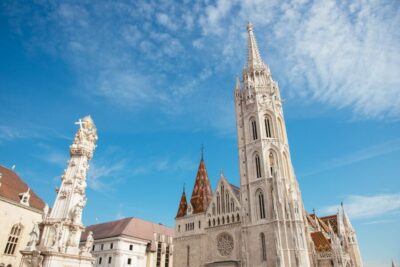
Buda Castle District Walking Tour with a Historian
Read our review →
BloodThirsty Hungary: Walking tour & Dark Historical Stories
Read our review →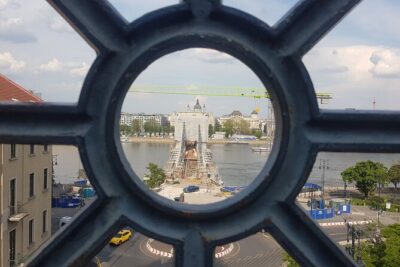
Browse the lists this tour appears in