
Reviewed · WORKSHOPS
Stretched Strudel Making Class with 2 Different Fillings
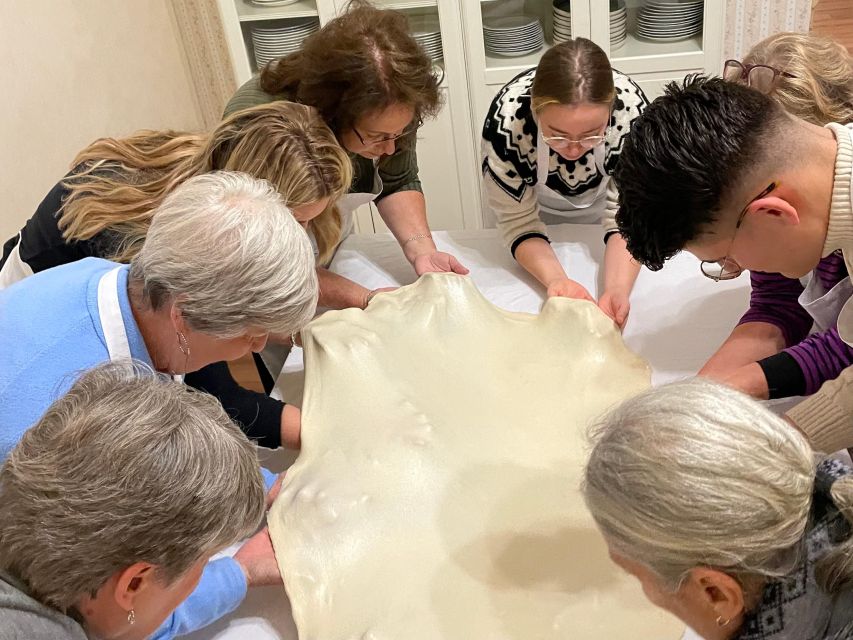
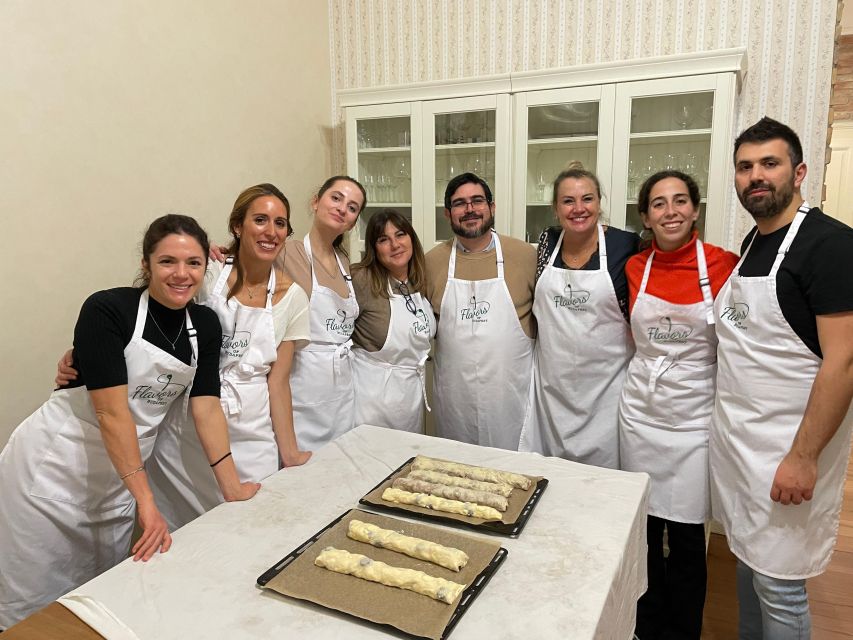
The magic here is the pastry. You stretch the dough by hand until it is thin, then fill and bake two strudels from start to finish with chef Marti. This is not a quick demonstration. You work with the dough, hear family kitchen secrets, and sit down to eat what you made.
I like the small group of up to 10 and the warm, personal setting in a private central Budapest apartment. I also like the mix of cooking and culture: you learn why strudel mattered at countryside wedding dinners, how Hungarian fillings work, and how a dessert shaped by Turkish and Habsburg influences became a household classic. The main drawback is the price, $90 per person, which is fair for a full cooking class with food and drinks but high if you only want a snack or a short demonstration.
Key points to know
- Stretch the pastry yourself: You learn the elastic dough method instead of watching someone else do all the work.
- Make two different strudels: Fillings can include apple, sour cherry with cottage cheese, poppy seed with pumpkin, cabbage, or sweet cottage cheese cream.
- Chef Marti teaches family methods: The class follows her mother’s recipe and includes practical tricks for repeating it at home.
- Food and drinks are part of the lesson: Hungarian wine, coffee, soft drinks, mineral water, and local snacks accompany the baking.
- Central Budapest location: You meet at Király u. 77, then finish at the same apartment.
- Best for curious eaters: The class suits adults and children aged 10 and up who enjoy hands-on cooking more than a passive food tour.
Stretching pastry the Hungarian way

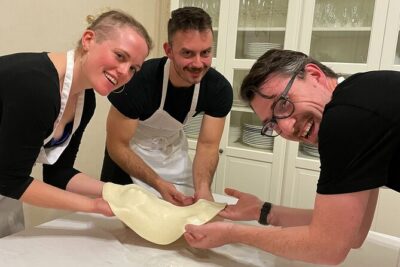
Many cooking classes give you a bowl, a recipe, and a quick stir. This one asks you to handle the star of the show: a soft, elastic sheet of pastry that must be stretched by hand.
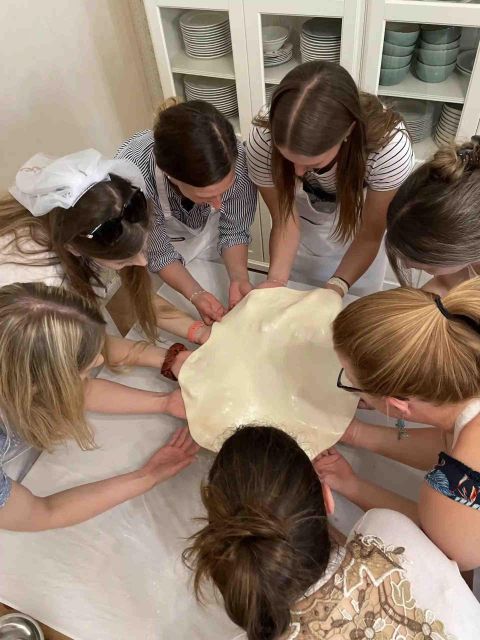
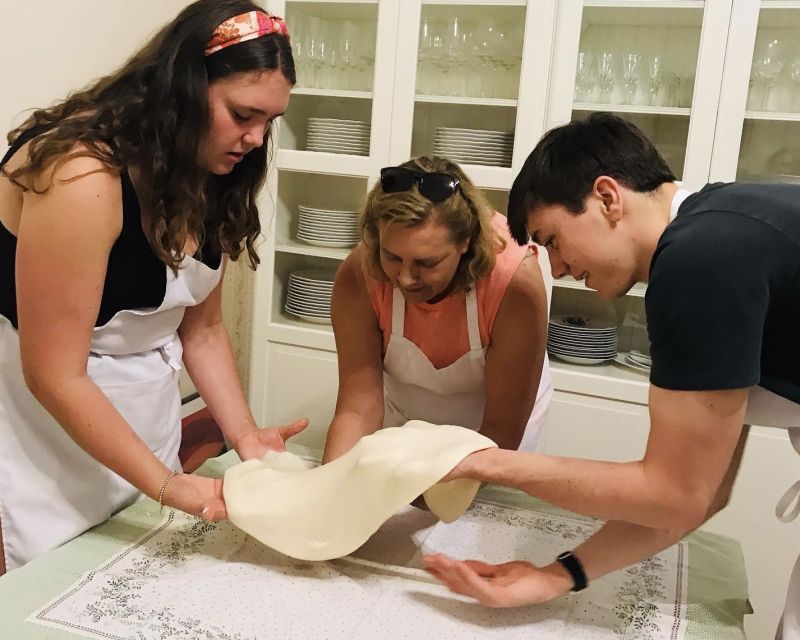
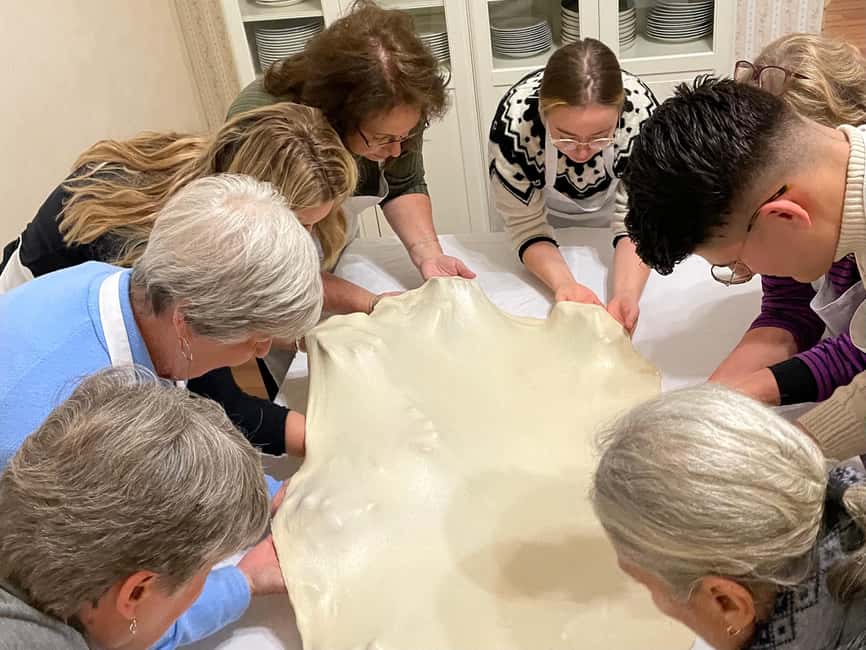
Under Marti’s direction, you work the dough until it becomes remarkably thin. That physical step is what makes this experience different from a standard baking workshop. You are not simply placing prepared ingredients into a shell. You are learning how the pastry behaves, how far it can stretch, and how to manage it without tearing it.
The process also gives you a better sense of why stretched strudel has such a special place in Central European cooking. The finished pastry is light and delicate, but getting there takes touch and patience. You will probably make a few small mistakes along the way, which is part of the value. Marti can show you how to recover and keep going.
The class uses the recipe from Marti’s mother. That matters because the lesson is built around a family practice, not just a generic version adapted for tourists. You leave with the recipe, but also with the feel of the dough and the small decisions that written instructions often fail to explain.
A few more Budapest half-days to weigh up
- Budapest: Hungarian Chimney Cake Workshop in the City Center
★ 4.8 · 885 reviews - Budapest Cooking Class & Market Tour with Local Guide & Wines
★ 5.0 · 553 reviews - Chimney Cake Workshop Budapest Downtown – Kürtőskalács Class
★ 5.0 · 220 reviews
Meeting Marti at Király u. 77
You make your own way to the private apartment at Király u. 77, 1077 Budapest. There is no hotel pickup or drop-off, and the activity begins and ends at this address, so plan your route before the starting time.
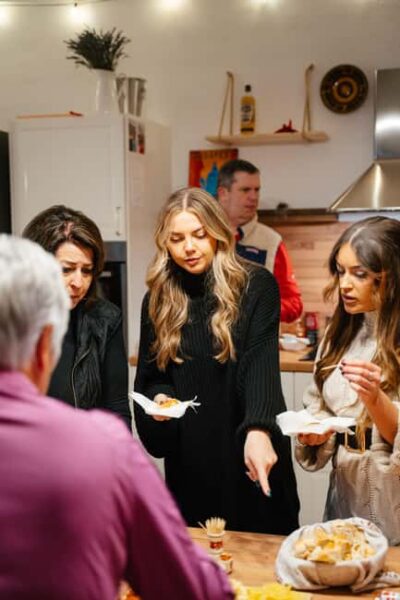
The apartment setting shapes the whole mood. Instead of sitting at a long counter in a commercial cooking school, you work in a home-style kitchen with a small group. The group limit is 10 people, though the exact number at your session can vary. That size gives you a better chance to ask questions and get direct help when the dough becomes difficult.
The language of instruction is English. Marti is both chef and host, and the class includes conversation about Hungarian dishes, customs, and daily food traditions. You should expect an informal atmosphere rather than a formal lecture. That works well for a lesson where the best information often comes while your hands are busy.
One practical point: the class lasts 2.5 hours. That is long enough to prepare, bake, eat, and talk, but it also means you should not schedule it too tightly against another fixed activity. The baking itself is only part of the time. The cultural explanation, snacks, waiting period, and shared meal all belong to the experience.
Two strudels, two different personalities
You make two strudels with different fillings. The available choices include sweet and savory combinations, such as poppy seed with pumpkin, sweet or salty cabbage, and sweet cottage cheese cream. Specific choices may depend on the session, so check the available options when booking.
The variety is useful. Strudel is not limited to apple, and the class gives you a clearer picture of Hungarian home cooking. A sweet filling shows the pastry as a dessert, while cabbage brings it into the savory side of the kitchen. This makes the lesson more interesting than simply producing two versions of the same dish.
One especially appealing combination is sour cherry with cottage cheese, which has been prepared during the class along with apple. The fruit brings sharpness, while the cottage cheese adds a soft, creamy balance. Poppy seed with pumpkin offers a more unusual direction for people who want something beyond familiar apple pastry.
Cabbage fillings may be a better fit for you if you enjoy savory pastries. They also help explain why strudel can appear at different points in a Hungarian meal and not only at the end. Ask Marti about the difference between the sweet and salty versions as you prepare them.
The key is that you do not simply select from a menu and wait. You take part in filling and shaping both pastries, then put them in the oven. By the time you eat, you understand how the filling, the thin pastry, and the baking process work together.
Food customs behind a famous dessert
Strudel is often linked with the former Habsburg Empire, but its story reaches further east. The class explains Turkish influence on Hungarian food and the way the dessert developed into a local tradition.
That context gives the pastry more meaning. Budapest sits at a crossroads of Central European food cultures, and strudel reflects that exchange. It is familiar in several countries, yet each place has its own fillings, habits, and family methods.
Marti also talks about the role of strudel at countryside wedding dinners. This detail helps you see it as more than a bakery item. In rural Hungarian life, a dish served at a wedding carries practical and social meaning. It is food made for sharing, celebration, and family gatherings.
I find this kind of conversation most useful when it stays connected to what you are doing. Here, the cultural material is tied to the recipe in front of you. You hear about customs while preparing a dessert that has actually been used in those settings.
The broader discussion of Hungarian dishes and everyday life also makes the class a good choice early in a Budapest visit. You may leave with ideas for other foods to try, as well as a better sense of how home cooking differs from restaurant menus.
Same city, a completely different way to spend an afternoon:
- Budapest: City Highlights Cruise with Welcome Drink
★ 4.6 · 35,610 reviews - Budapest: Unlimited Prosecco, Beer and Aperol Spritz Cruise
★ 4.8 · 25,310 reviews - Budapest: Széchenyi Spa Day Ticket with Optional Upgrades
★ 4.3 · 23,911 reviews - Budapest: Nighttime or Daytime Sightseeing Cruise
★ 4.2 · 21,062 reviews
Snacks, wine, and a homemade drink
While the strudels bake, the class turns into a small Hungarian tasting. Included drinks are 2 deciliters of Hungarian wine, soft drinks, mineral water, and coffee. You also receive typical Hungarian snacks.
The waiting period is important. Fresh pastry needs time in the oven, and the snacks keep the experience from feeling like dead time. You can continue talking with Marti and the group while tasting foods that broaden the lesson beyond strudel.
One memorable drink served in the class has been a homemade soda made with syrup from family-grown elderberries and raspberries. That is the kind of detail that gives the experience a personal feel. It also shows how a Hungarian cooking lesson can include preserved fruit flavors and family pantry habits, not only dishes prepared on the spot.
The wine portion is modest, not a full tasting. The 2-deciliter serving adds a local touch, but you should not book this as a wine experience. Coffee, soft drinks, and mineral water make the class easier for people who do not drink alcohol.
Dietary needs are not described in the available information, so ask about fillings and ingredients before booking if you have allergies or follow a strict diet. The class centers on wheat pastry, and the fillings vary.
Sitting down to eat what you made
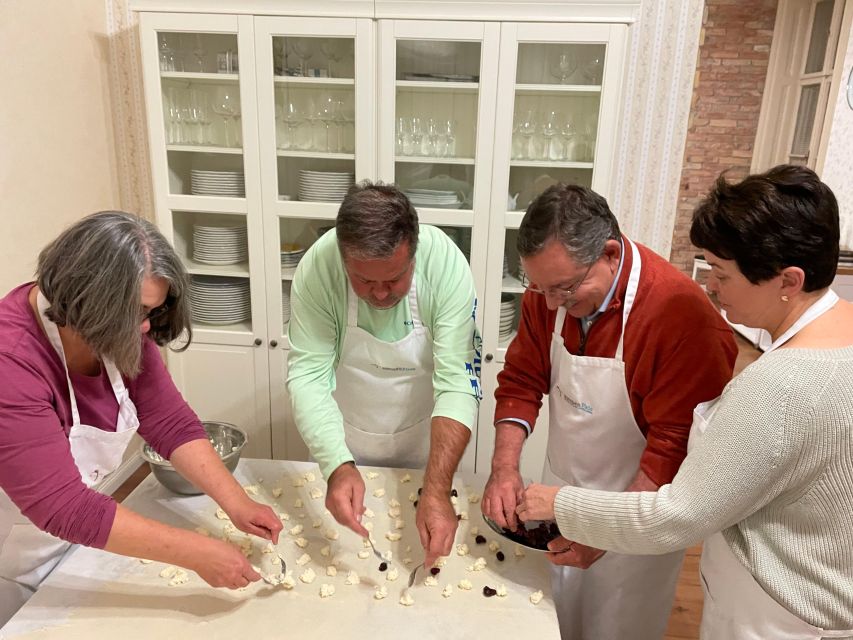
Once the strudels come out of the oven, you sit down with the group and eat them together. This final meal is simple but important. You get an immediate answer to every question that came up during preparation.
Was the pastry thin enough? Did the filling stay balanced? Did the edges bake properly? You can judge the result while the process is still fresh in your mind. That makes the class more useful than taking a recipe home without tasting the finished dish.
The shared meal also gives the class a natural finish. You are not rushed out after the oven door closes. The experience ends back at the meeting point, with the food you prepared as the main reward.
The atmosphere is intended to be friendly and family-like. Marti’s teaching style has been described as patient, clear, and relaxed. That is especially helpful during the stretching stage, when first-time bakers may need reassurance. You do not need advanced cooking skills, but you should be willing to work with your hands and follow directions.
What the $90 price includes
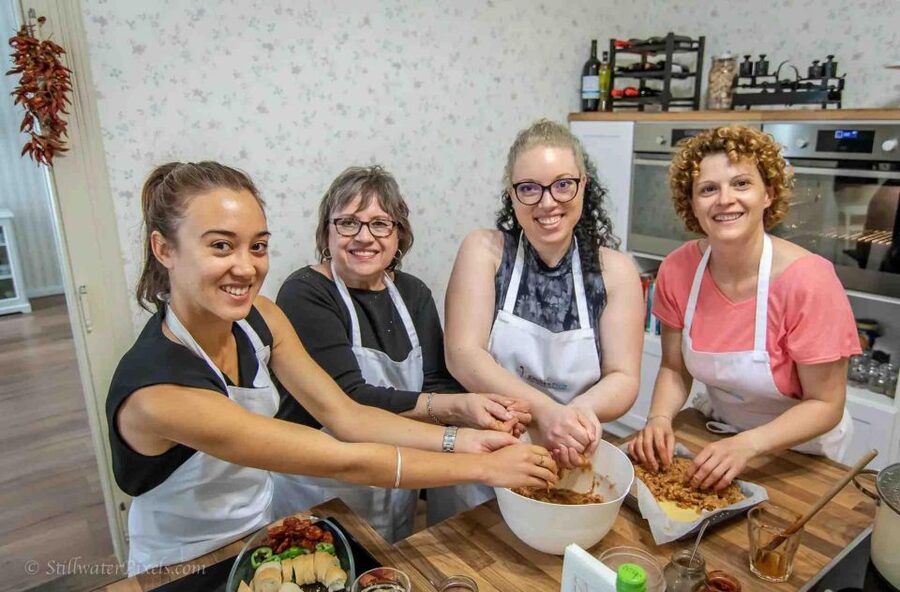
At $90 per person, this is not the cheapest way to eat strudel in Budapest. You could buy a pastry for a small fraction of that cost. The value comes from the combination of instruction, ingredients, drinks, food, cultural background, and a recipe you can use later.
The fee includes all ingredients, kitchen equipment, professional guidance, two different strudels, typical Hungarian snacks, drinks, and the family recipes. You are paying for 2.5 hours of active time, not just the finished dessert.
I would consider the price reasonable if you enjoy cooking and want a personal food experience in Budapest. It is less convincing if your main goal is simply to taste a traditional pastry. In that case, a bakery visit will cost less and take much less time.
The included recipes improve the long-term value. A good cooking class should give you a way to repeat the experience at home, and this one does. The recipe alone cannot replace Marti’s hands-on advice, but after stretching the dough yourself, the instructions should make more sense.
There is also value in the small group. A large class can turn a hands-on activity into a queue for the teacher. With no more than 10 participants, you should receive direct help, although the amount of individual attention still depends on the group and the pace of the session.
Who should book this class
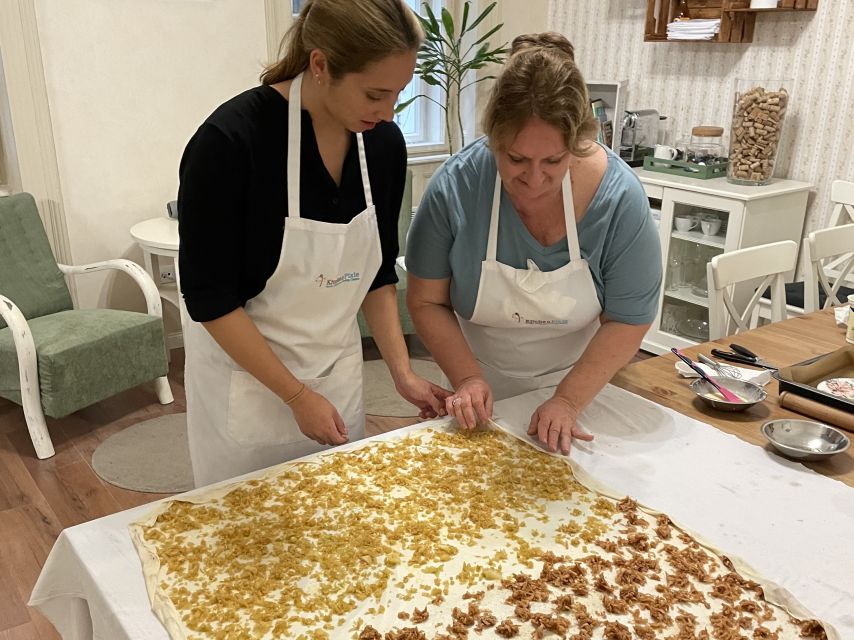
I would choose this for adults, couples, families with children aged 10 and up, and small groups of friends who want a shared activity. It is a good match for people who like to learn through food rather than simply hear a guide describe it.
The class also suits repeat visitors to Budapest who have already seen the main sights and want a more local-feeling afternoon. You spend time in a private home, hear about family recipes, and prepare a dish tied to Hungarian customs.
It may not suit you if you dislike group activities, have limited time, or prefer a polished restaurant meal. You also need to be comfortable meeting at the apartment rather than being collected from your hotel.
Children under 10 are not permitted. Older children who enjoy baking may find the dough-stretching stage especially engaging, but an adult should expect to help them follow the process.
This is also a good rainy-day plan. The activity takes place indoors, gives you something practical to do, and ends with a warm meal. Since start times vary, check the schedule and choose a slot that leaves enough time for the full 2.5 hours.
Booking advice and final verdict
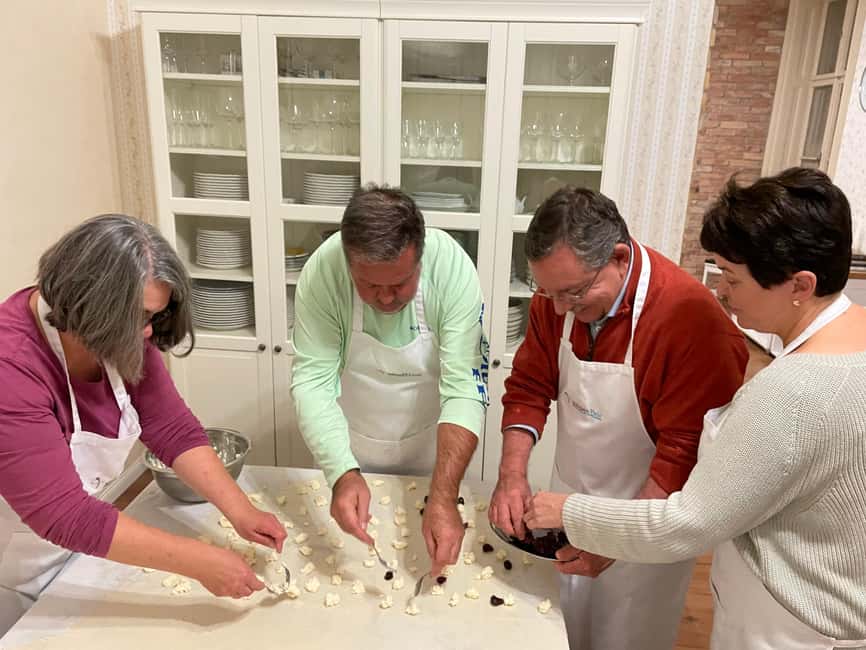
Book this class if you want to understand how Hungarian strudel is made, not just eat it. The strongest reasons are the hand-stretched pastry, the family recipe from Marti’s mother, the choice of sweet and savory fillings, and the chance to ask questions in a small apartment setting.
I would especially recommend it to anyone who has tried apple strudel and wants to learn what else the Hungarian tradition includes. Sour cherry with cottage cheese, poppy seed with pumpkin, and cabbage show how broad the dish can be.
The $90 cost is the main question. It makes sense for a full cooking session with drinks, snacks, and recipes, but not for a quick culinary stop. If you value personal instruction and want to recreate the food at home, the price is easier to justify.
Cooking Hungary’s class earns its strong reputation through warmth, patience, and useful instruction rather than elaborate production. Choose it when you want an approachable food lesson with a real family connection. Skip it only if your schedule is too tight or you would rather spend the same money on several meals around Budapest.
FAQ
Where does the strudel class take place?
The class takes place at the local partner’s private apartment at Király u. 77, 1077 Budapest, Hungary.
How long does the activity last?
The experience lasts 2.5 hours. Starting times vary, so check availability when choosing a session.
How many people can join the class?
The class is limited to 10 participants, creating a small-group or family-style setting.
What language is used during the class?
Instruction is provided in English.
How many strudels will I make?
You will make two strudels with two different fillings, from preparing the pastry through baking and eating them.
What fillings can be used?
Possible fillings include poppy seed with pumpkin, sweet or salty cabbage, sweet cottage cheese cream, apple, and sour cherry with cottage cheese. Available choices can depend on the session.
Are food and drinks included?
Yes. The class includes typical Hungarian snacks, 2 deciliters of Hungarian wine, soft drinks, mineral water, coffee, and all ingredients and equipment.
Can children attend the class?
Children under 10 are not permitted. Children aged 10 and older can attend.
Is hotel pickup included?
No. You must make your own way to the apartment, and the activity ends at the same meeting point.
Can I cancel the booking?
You can cancel up to 24 hours in advance for a full refund. A reserve-now, pay-later option is also available.
Just added around Budapest
- Budapest: Private, Personalized Pub Crawl, 3 drinks included★ 4.5 · 3 reviews
- Private day trip from Budapest to Bratislava, Vienna, and back★ 3.5 · 3 reviews
- Budapest: Private Adventure Sightseeing Bicycle Tour★ 4.5 · 3 reviews
- Private Danube Bend tour – full day★ 4.5 · 3 reviews
- Budapest: Guided City Walking Tour in Buda and Pest★ 5.0 · 3 reviews
- Budapest Old Jewish Quarter History Private Walking Tour★ 5.0 · 3 reviews
- Lake Balaton Full Day Private Wine Tour★ 5.0 · 3 reviews
- Budapest Urban Feast – Food Tour with Wine Tasting & Coffee House★ 4.5 · 3 reviews
Workshops, compared.

Hungarian Chimney Cake Workshop in the City Center
Read our review →
Budapest Cooking Class & Market Tour with Local Guide & Wines
Read our review →
Chimney Cake Workshop Budapest Downtown – Kürtőskalács Class
Read our review →
Hungarian Strudel Making Class: Stretch & Fill Two Ways
Read our review →
Easy Cooking Class Budapest – with Market Walk (local wine & pálinka included)
Read our review →
Browse the lists this tour appears in