
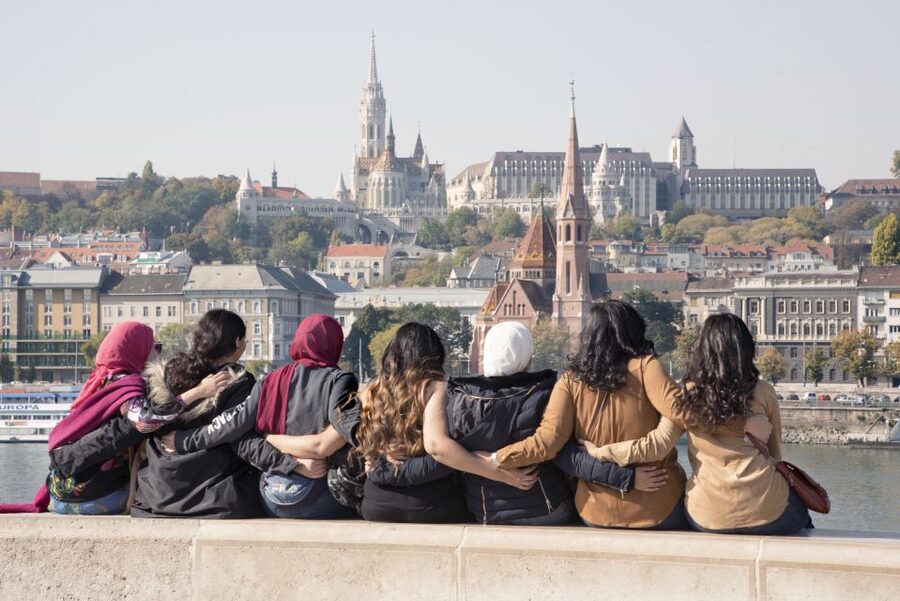
Reviewed · WALKING TOURS
Budapest 3-Hour Private Walking Tour with Route Options
Budapest is easier to understand when you choose one part of the city and give it time. This private three-hour walk lets you focus on grand Pest, hilltop Buda, the Jewish Quarter, or local shopping instead of racing through a little of everything.
I like the route choice, especially the chance to spend your time on Parliament and the Central Market Hall or on Matthias Church and Fishermen’s Bastion. I also like the private format and hotel pickup from any Budapest address, which makes the morning simple.
The main caution is guide quality and pace. Most available feedback is strongly positive, naming guides such as Vera, Silvia, and Eszter, but one sharply negative account describes a rushed, poorly structured walk. Ask early for a clear plan and a comfortable pace.
Key points to know before you book
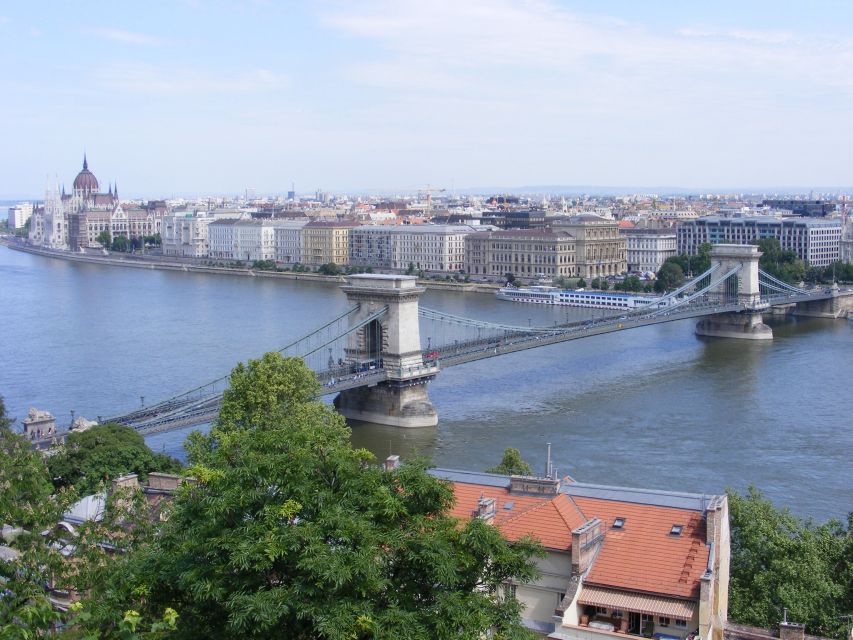
- Four distinct routes: Pick Pest Downtown, the Castle District, the Jewish Quarter, or a shopping-focused walk.
- A genuinely private outing: Your guide can adjust the route to your interests rather than following a fixed group schedule.
- Three hours goes quickly: The tour is best for a focused introduction, not a complete survey of Budapest.
- Several major sights are exterior stops: Entrance fees are not included, so ask what you will enter before setting expectations.
- Multilingual guiding: English, Spanish, French, German, and Italian are available.
- Hotel pickup is provided: Pickup is available from hotels, apartments, Airbnbs, and private addresses within Budapest.
Choosing the right side of Budapest
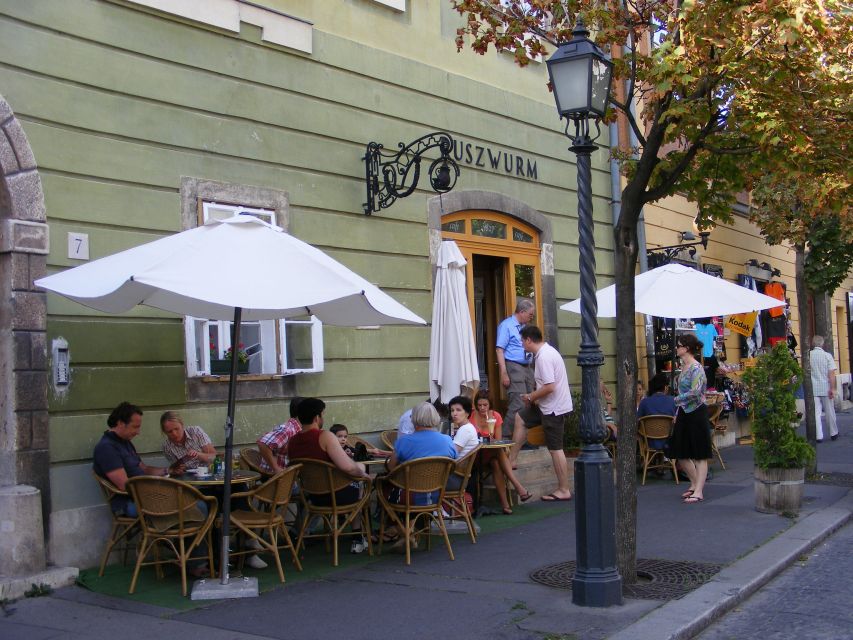
The most important decision comes before you meet your guide: choose the district that fits your interests.
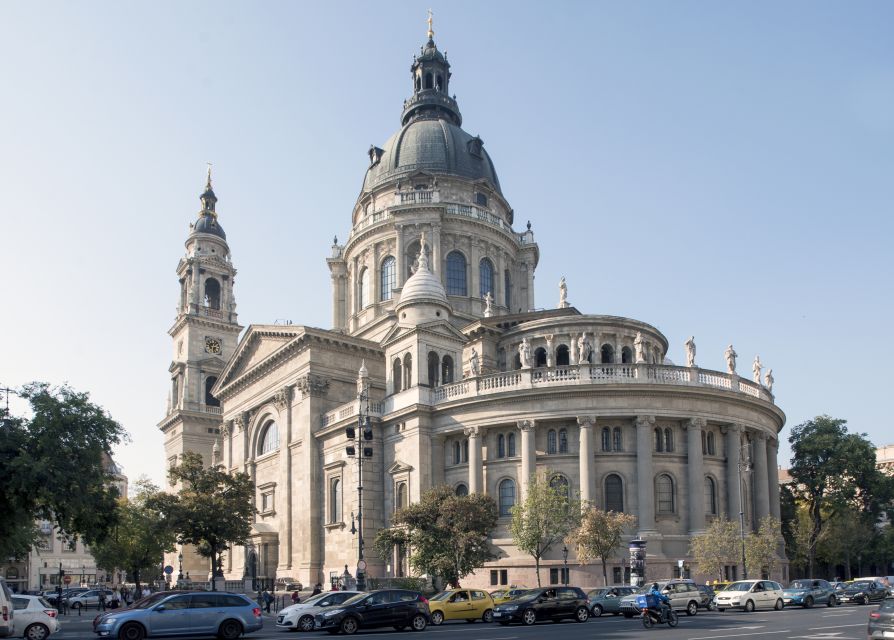
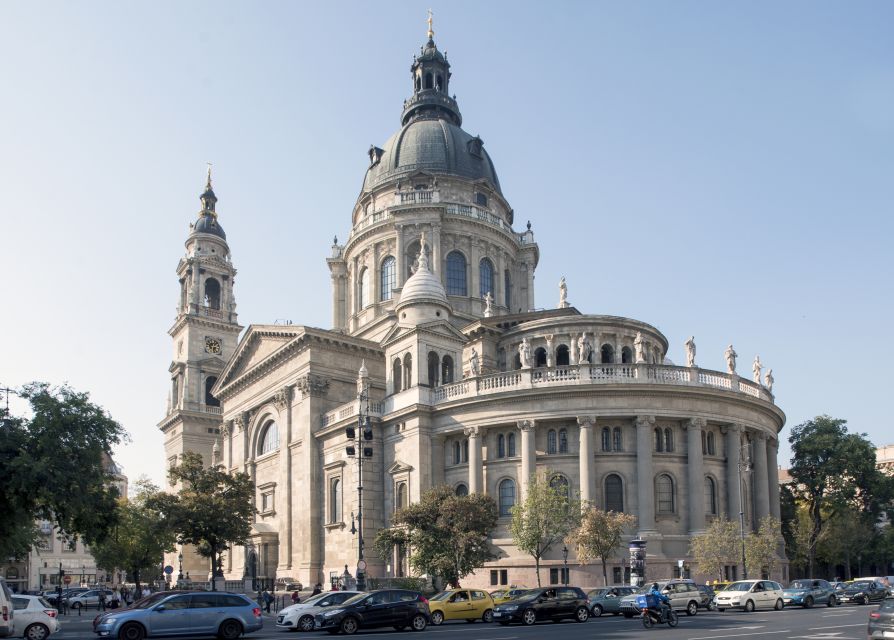
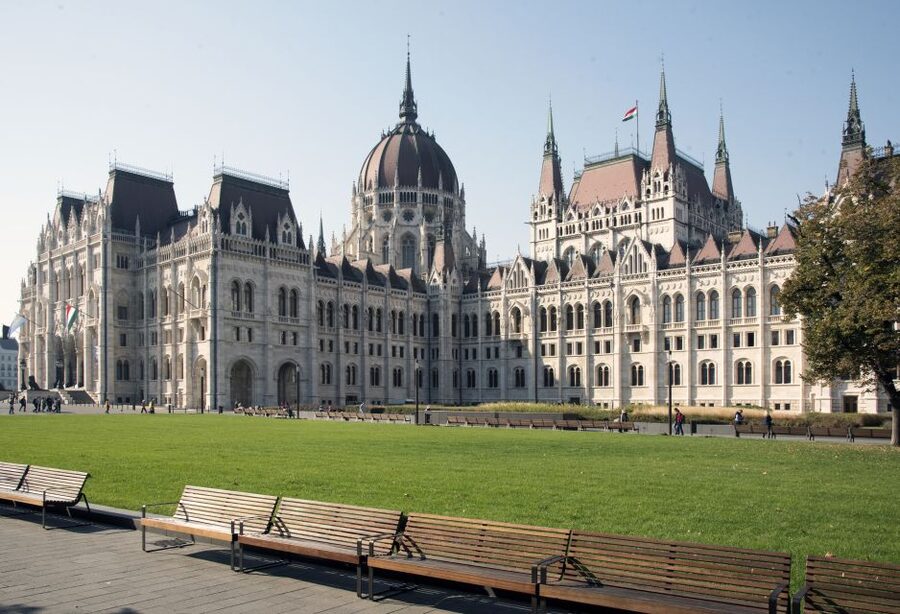
Pest Downtown is the broadest introduction. It brings together Parliament, St. Stephen’s Basilica, Liberty Square, and the Central Market Hall. You get grand civic buildings, religious architecture, modern Hungarian history, and food-market atmosphere in one route.
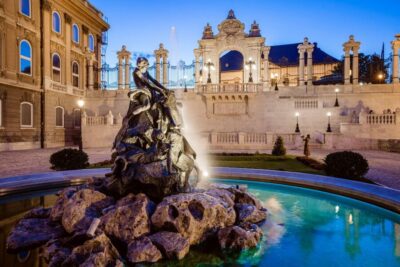
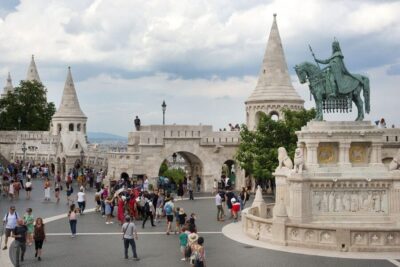
The Castle District gives you Budapest’s postcard side. The former Royal Palace, Alexander Palace, Castle Theater, Fishermen’s Bastion, and Matthias Church form a compact historical area above the Danube. Choose this route if you care most about royal Budapest, old streets, church interiors, and city views.
The Jewish Quarter is the most focused and emotionally layered option. The route includes Europe’s largest synagogue, the Jewish Museum, the Jewish Cemetery, and Raoul Wallenberg Holocaust Memorial Park. This is the right choice if you want Budapest’s Jewish history treated as a central subject rather than a quick stop.
The shopping walk is less about monuments and more about how the city lives and buys. It includes the Central Market Hall, Váci Street, Fashion Street, and shopping malls. I would choose it only if shopping is a real priority, since Budapest’s major landmarks are better served by the other three routes.
More walking tours in Budapest:
- Budapest: Buda Castle Walk with Saint Stephen’s Hall
★ 4.5 · 3,012 reviews - Big Bus Budapest Hop-On Hop-Off Bus and Walking Tour
★ 3.5 · 2,206 reviews - Budapest: Buda Castle District Walking Tour
★ 4.6 · 2,108 reviews
Pest Downtown, from Parliament to the market hall
Pest Downtown gives you the clearest sense of Budapest as a capital city.
Parliament is the natural star. Its scale, riverside setting, and ornate exterior make it one of the city’s essential sights. A guide can help you place it in the political story of Hungary and explain how the building fits into the view across the Danube. Since entrance fees are not included, confirm whether your walk is planned mainly from the outside.
St. Stephen’s Basilica offers a different kind of grandeur. It is the second-largest cathedral in Hungary, and its size gives the route a strong architectural counterpoint to Parliament. The basilica is also a useful place to ask your guide about religion, national identity, and the city’s changing role over time.
Liberty Square adds political context. It is not simply another open space between monuments. The square helps connect Budapest’s public architecture with the country’s complicated twentieth-century story. If you want dates, political background, and clear explanations, say so at the start. The guide’s approach can make a major difference here.
The Central Market Hall rounds out the route with something more everyday. It is described as the largest covered market hall in Europe, and it gives you a chance to look at Hungarian food, produce, and shopping under one roof. You may find the market more useful for understanding local habits than for buying souvenirs, although the shopping route gives it extra attention.
This four-stop plan is ambitious for three hours. You can see a great deal, but you should not expect long interior visits at every sight. I would ask your guide to choose two or three priorities rather than treating every stop as equal.
The Castle District’s royal sights and viewpoints
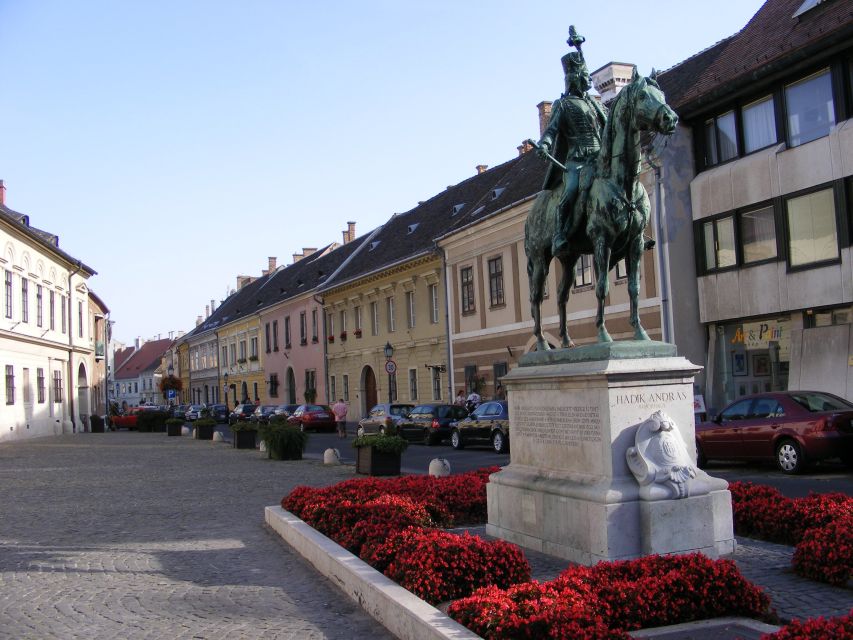
The Castle District route is the strongest pick for first-time visitors who want classic Budapest scenery.
The former Royal Palace now contains the National Library and National Gallery. Even if you do not go inside, the palace gives the walk a strong sense of scale and political importance. If art or royal history interests you, ask whether time and entrance fees allow for an interior visit. The tour includes guided service, but admission is not part of the price.
Alexander Palace is now the office of the President of the Republic. Seeing the building in its current official role helps connect the old royal quarter with present-day Hungary. Your guide can explain the change in function, which is often more useful than simply collecting another photograph.
Castle Theater adds another layer to the district. The route then continues to Fishermen’s Bastion and Matthias Church, two of the area’s most recognizable sights.
Fishermen’s Bastion is especially good for broad city views. It is one of the places where Budapest makes immediate visual sense: the river, Pest, and the grand buildings on the opposite bank come together below you. Your guide can help identify what you are seeing, which is useful when the city’s monuments begin to blend together.
Matthias Church gives the route its strongest historic and architectural finish. Its position in the Castle District and its detailed design make it more than a quick photo stop. Ask whether the itinerary includes going inside, and check the separate entrance cost before you book.
A French-speaking guide named Vera received especially warm praise for combining history and amusing anecdotes during a Buda visit. German-speaking guide Eszter was also singled out for giving an interesting look at the city’s past. Those details suggest that the best version of this route is conversational, with room for questions, rather than a fast march between viewpoints.
Budapest’s Jewish Quarter and its difficult stories
The Jewish Quarter option deserves more time and attention than a standard sightseeing loop can usually provide.
The synagogue is the route’s major architectural and cultural point. It is described as Europe’s largest synagogue, making it an important place to discuss Budapest’s Jewish community and the role of Jewish life in the city. The Jewish Museum adds objects and context that a street-only walk cannot provide.
The Jewish Cemetery and Raoul Wallenberg Holocaust Memorial Park shift the tone. These are places where the city’s past becomes personal and painful. You should choose this route if you are prepared for a serious discussion, not just a parade of attractive buildings.
A private guide can be particularly useful here because you can ask for the level of detail you want. You might prefer a broad introduction, or you might want more time on the Holocaust, Jewish community life, memorials, and the postwar city. State your preference plainly.
Entrance fees are extra, so ask which sites the guide recommends entering and how that affects the three-hour schedule. The route description includes the Jewish Museum, but that does not mean admission is bundled into the tour price.
This option also makes guide selection important. One booking account raised concern about a guide expressing strongly nationalist and Islamophobic views. That is not a small stylistic issue. If you choose this route, or any route involving sensitive history, you should feel free to ask the operator about your guide and explain that you expect a respectful, balanced discussion.
A few more Budapest half-days to weigh up
- 3-Hour Orientation Walking Tour of Buda and Pest
★ 4.8 · 1,834 reviews - Budapest: 3-Hour Grand City Tour and Castle Walk
★ 4.3 · 1,437 reviews - Budapest: 3-Hour Live Guided Sightseeing Tour
★ 4.4 · 1,041 reviews - 3 Hours Budapest Segway Grand City Tour Buda, Margaret and Pest
★ 5.0 · 255 reviews
The shopping route through four Budapest retail areas
The shopping tour covers more ground than a single market visit.
The Central Market Hall is the most distinctive stop. It gives you a local food and retail setting, with the added benefit of a guide who can help you understand what is worth buying. You might look for Hungarian specialties, gifts, or simply use the hall as a window into daily commerce.
Váci Street and Fashion Street offer a different experience. These areas are more central and polished, with shops aimed at visitors and city shoppers. A guide can help you compare the character of the streets with the market hall rather than treating every store as an equal stop.
Shopping malls complete the route. This is practical if you need a specific purchase, want to compare prices, or prefer familiar retail settings. It is less compelling if your main goal is old Budapest, since the Castle District and Jewish Quarter provide more historical focus.
The shopping option benefits most from customization. Tell your guide whether you want food, clothing, gifts, Hungarian products, or larger retail centers. Without that direction, three hours could disappear into general browsing.
What a private three-hour format really gives you
Private does not mean unlimited time. It means the guide’s attention belongs to your party and the route can respond to your questions.
That flexibility is valuable in Budapest, where the major sights are spread across Buda and Pest. Public transport may be recommended in some cases, and any transport fee is extra. The guide can help decide when walking makes sense and when a ride saves too much time to ignore.
Hotel pickup is included from any accommodation or private address within Budapest. That is a useful benefit if you are staying outside the immediate center or prefer not to find a meeting point. It also gives you a chance to discuss the plan before the clock starts.
I would use the first five minutes to set three expectations:
- Which sights matter most to you
- Whether you want history, architecture, food, shopping, or photography
- How often you want to stop for questions
That last point matters. One negative account described a guide who spoke quickly, jumped between facts, and rushed from place to place without adapting to the party. A private tour works poorly when it becomes a one-person speech. If your guide begins too fast, say so early.
The duration also affects entrance decisions. A three-hour walk can include many exterior sights, but adding several museums or interiors may leave little time for the streets between them. Decide whether you want to see more places briefly or fewer places properly.
Guides, languages, and the human factor
Guiding is the make-or-break element here.
The available guides include English, Spanish, French, German, and Italian speakers. Several guides received strong personal praise. Vera was described as serious, funny, and strong on historical topics. Silvia was called exceptional, and an Italian-language guide was praised as prepared, attentive, and pleasant. An English-speaking guide was also noted for clear English and a personable manner.
Those are the qualities I would hope for: a guide who explains the city clearly, notices your interests, and leaves space for conversation. The best guide is not simply the one who can name the most buildings. It is the one who can connect Parliament, the Castle District, or the Jewish Quarter to questions you actually care about.
Still, the feedback is not uniformly positive. One account described a confusing route, superficial answers, and a guide who did not ask questions. Another raised serious concerns about political and religious bias. You cannot remove that risk entirely from a private tour, but you can reduce it by confirming the language, route, and tone you expect.
The high overall rating and strong praise for named guides suggest that many bookings go well. I would treat that as encouragement, not a guarantee. Guide assignment matters more here than a polished route description.
Is $150 per person a fair price?

At $150 per person, this is not a budget walking tour.
The price makes more sense for a small private party than for one person traveling alone. Split among several people, you are paying for a dedicated guide, hotel pickup, route planning, and the freedom to ask for changes. For a couple, it is a larger outlay, but it may still be worthwhile if you value convenience and personal attention.
Remember what the price does not cover. Entrance fees and public transport fees are extra. The guide service is included, but museum, church, synagogue, and gallery visits may add cost depending on the plan.
Value also depends on your chosen route. Pest Downtown and the Castle District can give you a strong first look at Budapest without requiring many admissions. The Jewish Quarter may justify extra entrance costs if the museum and synagogue are central to your interests. The shopping route is harder to judge financially because the benefit depends on what you are trying to buy.
I would consider the tour good value for a family, group of friends, or first-time visitor who wants a flexible introduction. A solo visitor may find a small group walk or self-guided route cheaper unless hotel pickup and personal planning are especially important.
Practical ways to get more from the walk
Choose your route before arrival, but keep the plan flexible. The operator offers four clear themes, and a professional guide can shape the details around your wishes.
Wear comfortable shoes. The experience is a three-hour walking tour, and the Castle District route includes a hilltop area even though no exact walking distance is provided.
Ask about interiors before the tour begins. The route descriptions name churches, museums, galleries, and a synagogue, but entrance fees are not included. Knowing this prevents an awkward choice halfway through the walk.
Do not expect a full Budapest survey. If you choose the Jewish Quarter, you are giving up much of Pest Downtown. If you choose shopping, you will have less time for royal buildings and church architecture. The strength of this experience is focus.
Use the guide for orientation. Ask where the Danube, Buda, Pest, Parliament, and the Castle District fit in relation to one another. A good first walk should leave you able to navigate the city with more confidence afterward.
Finally, speak up about pace. The tour is private, so there is no reason to let a rushed monologue take over. Ask for pauses, explanations, or a change of emphasis when needed.
Who should book this Budapest walk?
I would recommend it to you if you want a private introduction and already know which side of Budapest interests you most.
Choose Pest Downtown for a broad first look, the Castle District for royal sights and views, the Jewish Quarter for serious cultural and historical context, and the shopping route for practical retail time. Families and groups can make especially good use of the private format.
I would be more cautious if you want long museum visits, a slow photography walk, or a guaranteed particular guide. The three-hour limit and extra admission costs can narrow what fits. You should also confirm the guide and communicate your expectations about respectful, balanced commentary.
Book it when convenience and customization matter more than finding the lowest price. Skip it when you would rather explore slowly on your own or when a fixed group tour offers better value for your party.
FAQ
How long is the Budapest walking tour?
The tour lasts three hours.
Is the tour private?
Yes. It is offered for a private group.
Which routes can I choose?
You can choose Pest Downtown, the Castle District, the Jewish Quarter, or a City Shopping Tour.
Can I customize the route?
Yes. Your guide can help design the route around your interests after you choose one of the four options.
Is hotel pickup included?
Yes. Pickup is available from hotels, apartments, Airbnbs, and private addresses within Budapest.
Which languages are available?
Guiding is available in English, Spanish, French, German, and Italian.
Are entrance fees included?
No. Entrance fees are not included in the tour price.
Is public transportation included?
No. Public transport fees are not included. Public transport may be recommended for parts of the route.
How much does the tour cost?
The listed price is $150 per person.
Can I cancel the tour for a refund?
Yes. You can cancel up to 24 hours in advance for a full refund. You can also reserve now and pay later.
Just added around Budapest
- Budapest: Private, Personalized Pub Crawl, 3 drinks included★ 4.5 · 3 reviews
- Private day trip from Budapest to Bratislava, Vienna, and back★ 3.5 · 3 reviews
- Budapest: Private Adventure Sightseeing Bicycle Tour★ 4.5 · 3 reviews
- Private Danube Bend tour – full day★ 4.5 · 3 reviews
- Lake Balaton Full Day Private Wine Tour★ 5.0 · 3 reviews
- Budapest: Guided City Walking Tour in Buda and Pest★ 5.0 · 3 reviews
- Budapest Old Jewish Quarter History Private Walking Tour★ 5.0 · 3 reviews
- Budapest Urban Feast – Food Tour with Wine Tasting & Coffee House★ 4.5 · 3 reviews
Walking Tours, compared.
Budapest City Landmarks Walking Tour in 2 Hours
Read our review →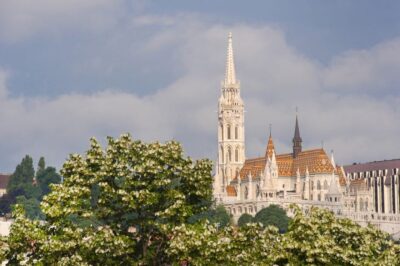
3-Hour Orientation Walking Tour of Buda and Pest
Read our review →
Budapest All in One Small Group Walking Tour with Strudel Stop
Read our review →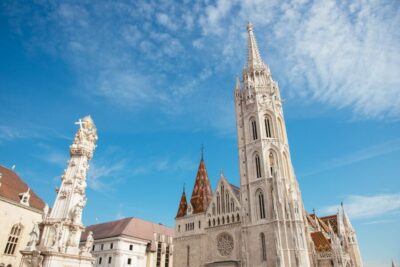
Buda Castle District Walking Tour with a Historian
Read our review →
BloodThirsty Hungary: Walking tour & Dark Historical Stories
Read our review →
Browse the lists this tour appears in