
Reviewed · SZENTENDRE DAY TRIPS
Hungary: Szentendre Retro Design Center Entry Ticket
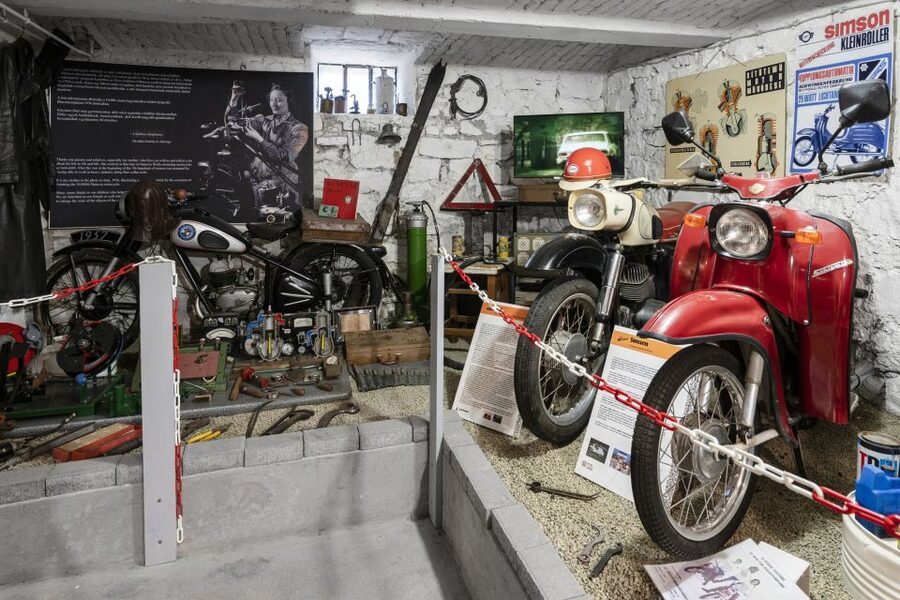
Szentendre’s Retro Design Center turns the 1970s into a hands-on time capsule. You can sit in a pink Cabriolet Wartburg, climb into a Trabant, and peer inside the famous Ikarus bus rather than simply looking at objects behind glass.
I like the mix of big, playful pieces and ordinary household details. The 30-car collection draws you in, while the radios, televisions, kitchen equipment, toys, LP-covered walls, and furnished apartment show how daily life felt beyond the roads. The warm welcome from the hippie girl at the entrance also sets an easygoing tone.
The main drawback is its distance from Budapest and the short opening window for the full experience. The museum visit takes about an hour, but a morning guided tour may not match every ticket time, so check the schedule carefully before setting out.
Key points to know before you go
- Sit in the vehicles: The pink Cabriolet Wartburg, Trabant, Barkas Furgon, Moskvitch, Zhighuli, and Ikarus bus make this more interactive than a standard car display.
- See ordinary 1970s life: A furnished living room and kitchen, old televisions, radios, appliances, and toys add useful daily context.
- Allow about one hour: The collection is compact but packed with objects, so it works well as part of a day in Szentendre.
- Look for the Polish Market diorama: This small scene helps explain the period’s shops, goods, and visual style.
- Read the English text: Written information is available in English, German, and Russian.
- Plan the trip from Budapest: Szentendre is outside the capital, and parking is not included.
Why the cars are only the beginning
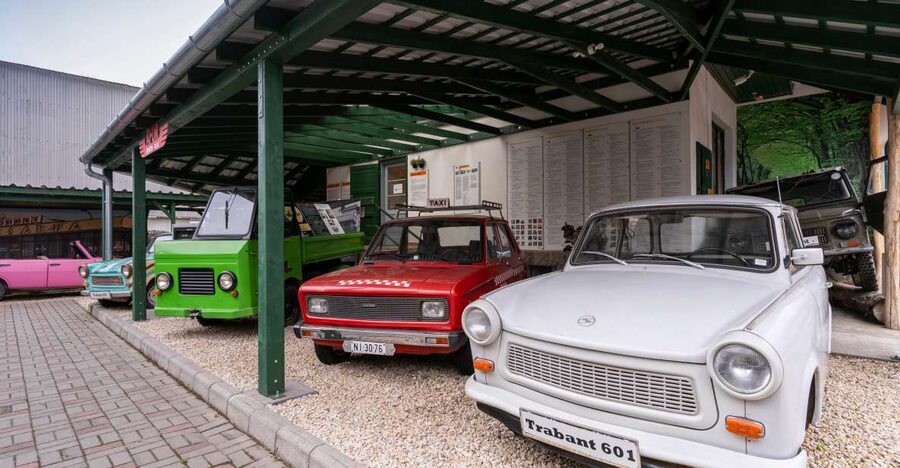
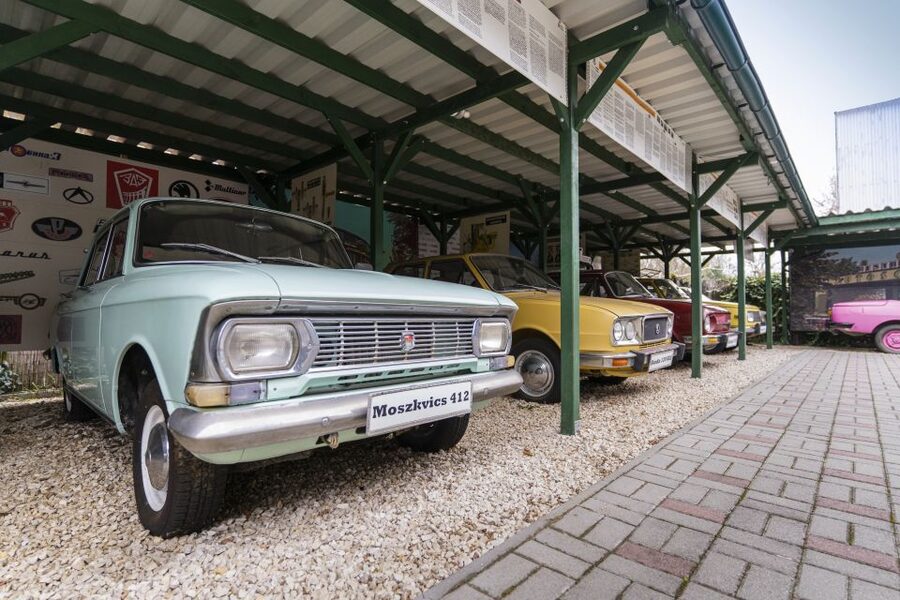
The first thing you notice is the collection of vehicles. Around 30 cars fill the center, with familiar Eastern European names such as Trabant, Moskvitch, and Zhighuli. These were not luxury symbols. They were the practical, sometimes quirky machines that shaped road life across the communist bloc.
The appeal is partly visual. A Trabant’s light body and distinctive shape are hard to miss, while the pink Cabriolet Wartburg adds a dose of cheerful oddness. You can sit in several of the vehicles and take photographs, which gives the collection more life than a row of cars viewed from behind a barrier.
The Ikarus bus is the star for many people. Hungary’s Ikarus buses became a familiar sight in cities across Eastern Europe, so seeing one here gives the visit a strong local connection. You can appreciate its size and design in a way that a small automobile cannot provide.
Look also for the hippie Barkas Furgon van. It brings a different mood to the display, linking the vehicle collection with the youth culture and informal style suggested by the entrance greeting. The vehicles are not presented as isolated design objects. Together, they help you picture travel, work, shopping, and family life in the 1970s.
More Szentendre day trips:
- From Budapest: Danube Bend & Szentendre Tour with Lunch
★ 4.1 · 824 reviews - From Budapest: Szentendre Half-Day Tour
★ 4.2 · 338 reviews - Szentendre Daytrip (Artists’ Village) small group
★ 4.5 · 151 reviews
A small museum with nearly 1,000 square meters to explore
The center covers almost 1,000 square meters, yet the planned visit is only about an hour. That tells you what kind of place this is. It is not a large national museum requiring half a day. It is a tightly packed collection where you can see a lot without losing an entire afternoon.
I would give myself the full hour, especially if you enjoy photographs or want to read the text panels. The cars can take your attention quickly, but the smaller objects reward slower looking. A short visit is possible, although rushing would reduce the value.
The layout brings together transport, home life, popular culture, and shopping scenes. That range matters. A car by itself tells you about engineering and ownership. A television, kitchen appliance, or child’s toy tells you more about what people saw and used every day.
This is why the center works for both nostalgia and history. If you remember the 1970s or 1980s, a familiar object may bring back a personal memory. If you do not, the displays offer a simple introduction to life in Eastern Europe during that period.
The furnished apartment explains daily life
The furnished apartment is one of the most useful parts of the visit. You can look through a living room and kitchen arranged in a 1970s style, then connect the setting with the individual objects displayed elsewhere.
A furnished room gives scale and context. An old appliance on a shelf is interesting, but an entire room shows how those pieces worked together. The result is less about one rare item and more about the look and feel of an ordinary home.
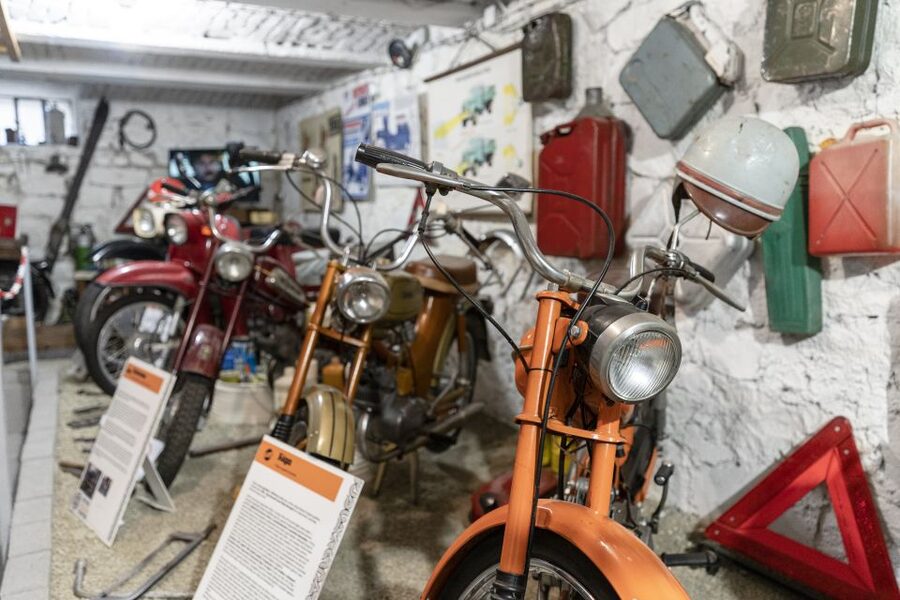
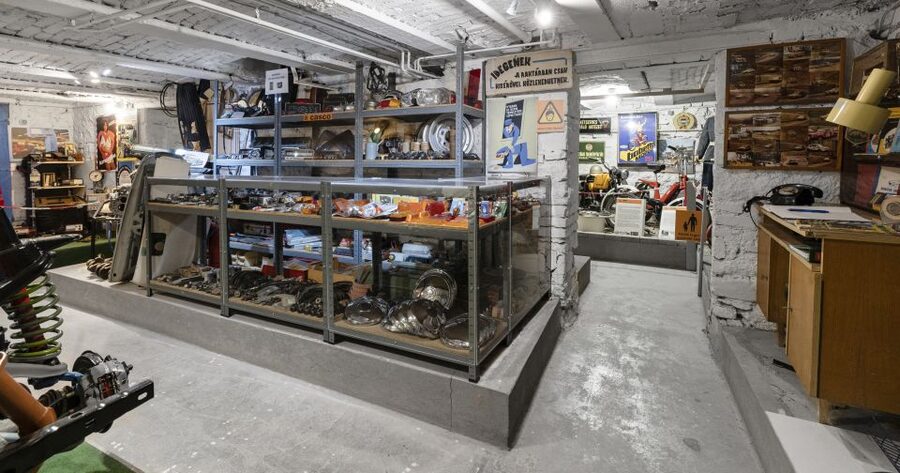
The exhibition also includes televisions, household appliances, and radios. These objects may seem plain, but they are exactly the kind of things that help you understand a period. They point to entertainment, cooking, communication, and the practical limits of domestic technology.
One especially fun detail is the television programming. Old advertisements run on a television set, adding sound and motion to the display. That unexpected touch can be more memorable than a static label because it gives you a glimpse of the visual language people saw at home.
The walls covered with 1970s LPs add another layer. Music collections often say as much about a time as furniture does, and the records help complete the period setting without requiring a long explanation.
The Polish Market diorama and camping scene
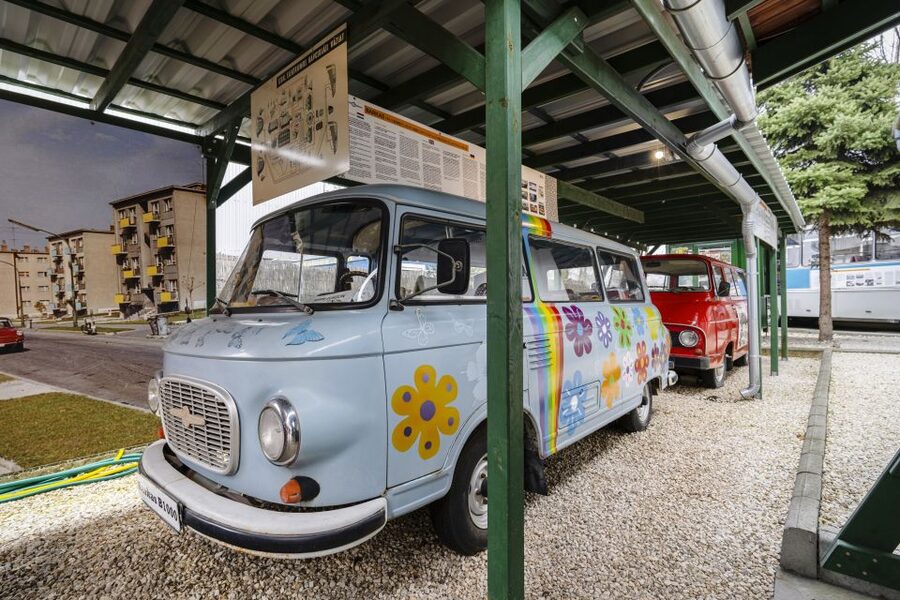
Do not hurry past the smaller scenes. The Polish Market diorama is a specific highlight, and it gives the visit a look at commerce and shopping culture in the region. A miniature market scene can show details that are easy to miss in a large display, from the arrangement of goods to the period styling.
The camping scene offers a change of pace. It shifts the focus from city streets and apartments to leisure time. That matters because the 1970s were not only about public transport, household goods, and official culture. People also went outdoors, traveled, and made do with the equipment available to them.
These scenes work best when you read the accompanying information. The written guide is available in English, German, or Russian, so you can explore without needing a long spoken tour to explain every object. The text helps connect the displays to the wider setting of Eastern Europe.
The center has a playful approach, but it is not only a collection of amusing props. The market, campsite, apartment, and vehicles together create a picture of life from several angles.
A few more Hungary half-days to weigh up
- Budapest: Széchenyi Spa Day Ticket with Optional Upgrades
★ 4.3 · 23,911 reviews - Budapest: Parliament Building Entry Ticket and Audio Guide
★ 4.5 · 3,844 reviews - Budapest: Full-Day Gellért Spa Ticket
★ 4.2 · 3,340 reviews - Budapest: Cinema Mystica Entry Ticket
★ 4.3 · 3,103 reviews
A friendly welcome and a practical visit
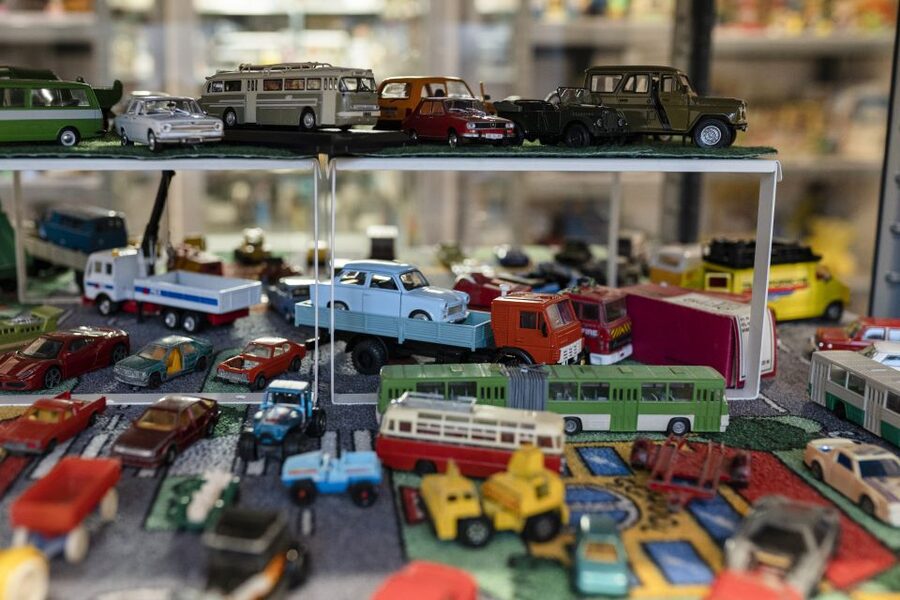
The arrival sets the tone. You are greeted by a friendly woman presented as a 1970s hippie girl, and the welcome feels more personal than a quick ticket check. A kind cashier is also part of the positive experience, offering a helpful presence at the entrance.
No individual guide name is provided, so you should not expect a named specialist leading every visit. The available information describes English support and written material in English, German, and Russian. There may also be a guided tour in the morning, but the timing needs checking before you book.
That timing point is important. The center may remain open later in the day, while the guided option is limited to the morning. If hearing the story from a guide matters to you, confirm the start time rather than assuming any admission time includes it.
If you are happy to read and explore independently, the center is easier to fit into your schedule. You can move between the vehicles, rooms, and display scenes at your own pace. That is also useful for families or mixed groups, since people can spend longer with the objects that interest them most.
How the one-hour visit fits into Szentendre
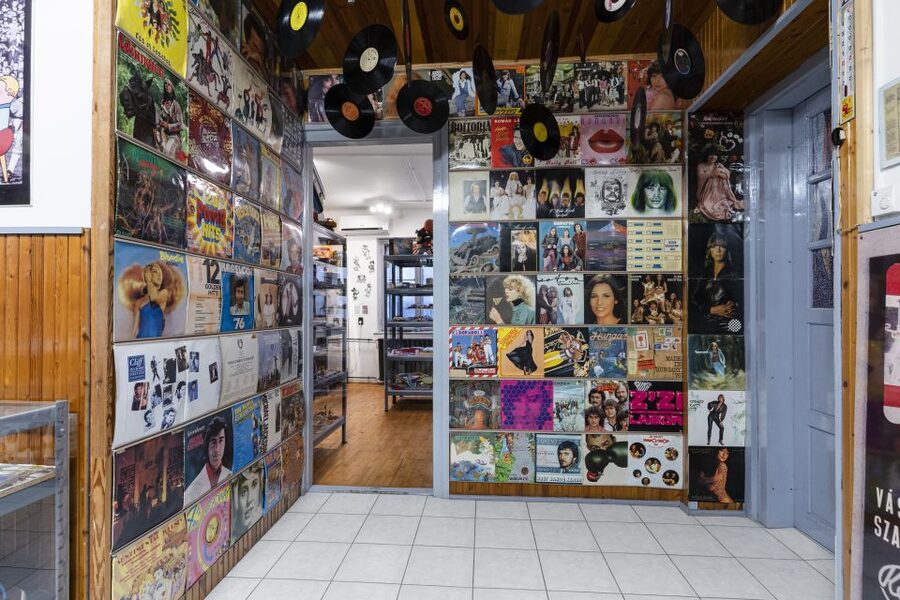
The Retro Design Center is in Szentendre, a small town outside Budapest. It is not a quick central-Budapest stop, and reaching it requires treating the museum as part of a wider outing.
That distance is a drawback if you are trying to pack several Budapest sights into a single day. It becomes less of a problem if you already plan to spend time in Szentendre. The town is described as a pleasant local day-trip destination, so the museum can add an unusual indoor stop to a day away from the capital.
Plan for about an hour inside. Add your travel time and time for Szentendre itself when deciding if the $11 admission is worthwhile. Parking is not included, so drivers should account for that separately.
The short museum duration is not a weakness by itself. In fact, it makes the center useful after lunch or between other activities. The important point is to avoid traveling a long way for only a rushed visit. Pairing it with the town gives the journey better value.
Is the $11 admission good value?
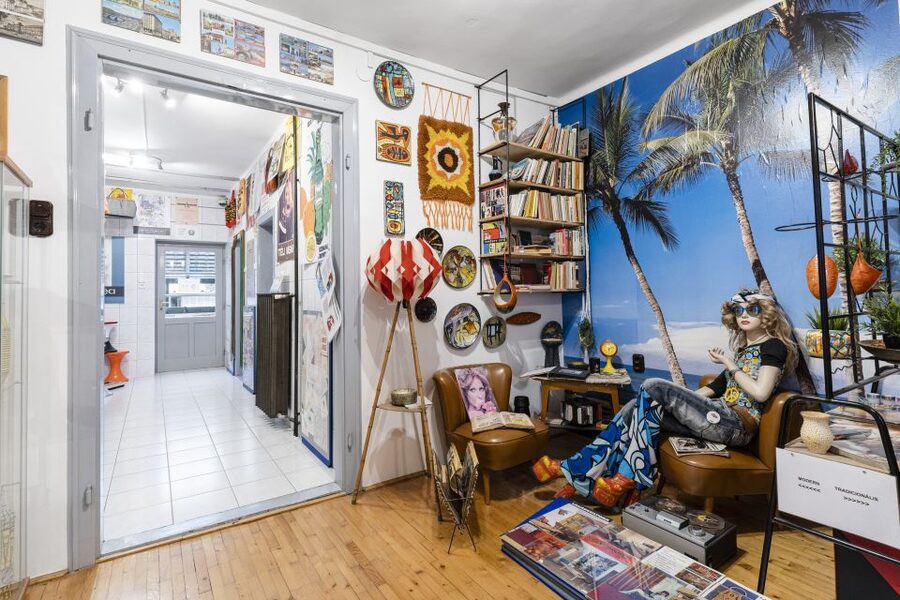
At $11 per person, the ticket is reasonably priced for a focused collection with vehicles you can enter, a large Ikarus bus, period interiors, and many smaller displays. The visit is brief, but the variety means you are not paying only to see one category of object.
I see the best value for people who enjoy design, social history, cars, or personal nostalgia. The ticket also works well for a short stop because you do not need to commit to a full morning or afternoon.
The value is weaker if you are not interested in the 1970s or communist-era material. The collection depends on its period setting, and much of the pleasure comes from recognizing or studying objects that now look old-fashioned.
Your total cost also includes getting to Szentendre. For someone already in town, $11 is an easy add-on. For someone traveling from Budapest solely for this museum, transport and time become a bigger part of the calculation.
Who will enjoy the Retro Design Center most?
I would recommend this experience to several kinds of visitors:
- People with memories of the 1970s or 1980s: Familiar toys, televisions, vehicles, adverts, and household objects can make the visit personal.
- History-minded visitors: The displays offer a plain, tangible look at Eastern European life rather than only dates and political events.
- Car enthusiasts: The Trabant, Moskvitch, Zhighuli, Wartburg, Barkas, and Ikarus bus provide plenty to inspect and photograph.
- Families: Children can sit in vehicles and see unusual old appliances, though the appeal will depend on their interest in historic objects.
- Szentendre day-trippers: The museum adds a one-hour indoor activity to a visit outside Budapest.
- Photographers: The pink Cabriolet Wartburg, bus, van, apartment, market scene, and LP walls provide distinctive subjects.
I would think twice if you have only a few hours in Budapest and are not planning to visit Szentendre. The museum is worthwhile, but the location requires a deliberate trip.
What I would pay attention to inside
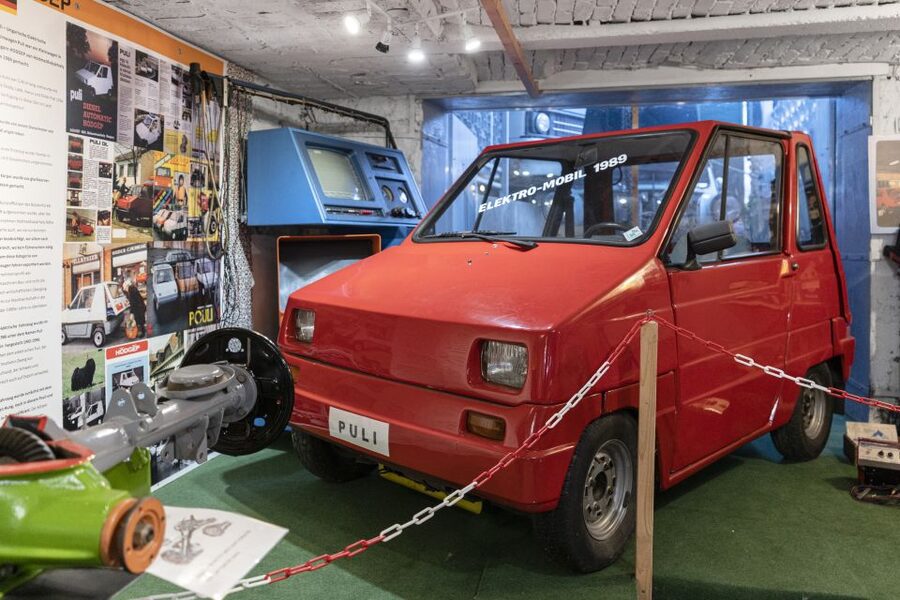
Start with the vehicles, especially the pink Wartburg and the Ikarus bus. These are the easiest objects to enjoy at a glance, and sitting inside gives you the photographs most people will want.
Then slow down for the smaller displays. Look at the toys, radios, televisions, appliances, and LPs. Ask yourself what each object says about entertainment, shopping, family life, or technology at the time.
Make sure you find the furnished apartment and both the living room and kitchen. These spaces turn a collection of separate items into a picture of how a home might have looked.
Finish with the Polish Market diorama and camping scene, then read the English text where you want more context. This order lets you enjoy the visual highlights first while leaving enough time for the details.
Booking and cancellation points
Admission is the only listed inclusion. Parking is not included, so do not treat the ticket price as the full cost of a driving visit.
You can reserve now and pay later, which is useful if your Szentendre plans are still changing. Free cancellation is available up to 24 hours in advance for a full refund.
Check the available starting times before booking. The standard visit lasts about one hour, and the guided tour schedule may be limited to the morning even when the museum is open later.
Should you book this Szentendre museum?
Book it if you want a compact, unusual look at everyday Eastern European life, especially if cars, old technology, or 1970s design interest you. The vehicles are the hook, but the apartment, market diorama, toys, advertisements, and kitchen equipment give the visit its real substance.
I would include it in a Szentendre day rather than make it your only reason to leave Budapest. At $11, it offers good value for an hour of hands-on viewing, but the journey deserves to be shared with time in the town.
The final decision comes down to timing. Confirm the morning guided-tour schedule if that matters to you, and allow enough time to reach Szentendre without rushing. If you do that, the Retro Design Center makes a cheerful and informative break from the usual city sights.
FAQ
How long does the Retro Design Center visit take?
The stated duration is one hour. You may want a little extra time if you plan to take photographs and read the English text.
How much does admission cost?
The listed price is $11 per person. Parking is not included.
Can I sit inside the vehicles?
Yes. You can sit in the pink Cabriolet Wartburg, a Trabant, and the Ikarus bus, and take photographs.
What vehicles are on display?
The collection includes about 30 vintage cars, including Trabant, Moskvitch, Zhighuli, Wartburg, and a hippie Barkas Furgon van. A famous Hungarian Ikarus bus is also displayed.
Is information available in English?
Yes. Written text is available in English, German, and Russian. The host or greeter language is English.
Is there a guided tour?
A guided tour may be available in the morning, but the guided schedule can differ from the museum’s opening hours. Check the available start times before booking if you want a guided visit.
Just added around Hungary
- Budapest: Private, Personalized Pub Crawl, 3 drinks included★ 4.5 · 3 reviews
- Private day trip from Budapest to Bratislava, Vienna, and back★ 3.5 · 3 reviews
- Budapest: Private 3-Hour Gödöllő Palace Tour★ 4.9 · 3 reviews
- Budapest: Private Adventure Sightseeing Bicycle Tour★ 4.5 · 3 reviews
- Private Danube Bend tour – full day★ 4.5 · 3 reviews
- Budapest: Guided City Walking Tour in Buda and Pest★ 5.0 · 3 reviews
- Budapest Old Jewish Quarter History Private Walking Tour★ 5.0 · 3 reviews
- Lake Balaton Full Day Private Wine Tour★ 5.0 · 3 reviews
Szentendre Day Trips, compared.

Szentendre Daytrip (Artists’ Village) small group
Read our review →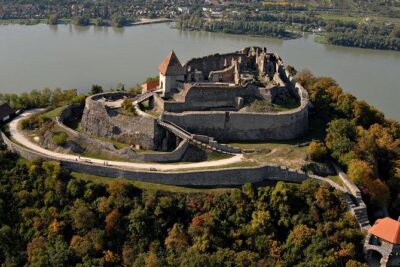
Private Guided Tour to Szentendre & Visegrád Castle (Danube Bend)
Read our review →
Szentendre the Artists Village Half-Day Tour from Budapest
Read our review →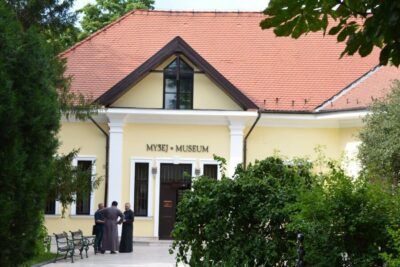
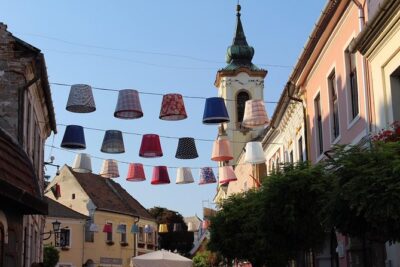
Szentendre and Visegrad Private Danube bend Tour With Wine Tasting and Lunch
Read our review →
Szentendre, Visegrád & Esztergom Private Danube Bend Tour
Read our review →Browse the lists this tour appears in