
Reviewed · WALKING TOURS
3-Hour Orientation Walking Tour of Buda and Pest
Budapest makes more sense once you see both halves of it. This three-hour walking tour starts near Saint Stephen’s Basilica in Pest, then crosses the Danube by public transport to Buda, linking grand buildings, hilltop views, old streets, and everyday city life. Guides such as Zoli, Alexandra, Monika, and Flora bring plenty of local character to the route.
I like the way this tour gives you a fast orientation without wasting money on a sightseeing bus. I also like the practical touch: your guide shows you how to use Budapest’s buses, trams, or metro and how to buy a good-value ticket. The main consideration is the pace. You cover a lot in three hours, so this is an introduction rather than a slow visit inside every major attraction.
Key points to know before you book
- See both sides of the Danube: The route connects Pest’s grand civic center with Buda Castle and the hilltop district.
- Start beside Saint Stephen’s Basilica: Meet in front of California Coffee Company, next to the basilica.
- Use public transport as part of the lesson: Four transport tickets cost 1,400 HUF per person and are not included.
- Expect strong local storytelling: Guides including Zoli, Alexandra, Monika, Luisa, Flora, and Verónika have been praised for clear history, humor, and useful advice.
- Choose a private or small-group format: A smaller group can make it easier to ask questions and adjust the pace.
- Plan it early in your stay: The tour helps you decide which sights, museums, food spots, and neighborhoods deserve more time later.
Starting beside Saint Stephen’s Basilica
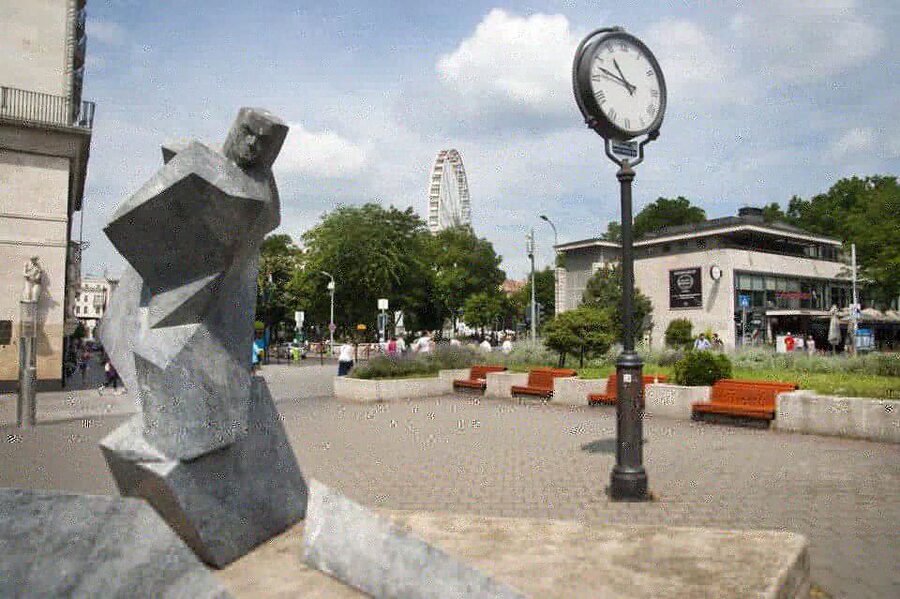
The meeting point is easy to identify: stand next to Saint Stephen’s Basilica, in front of the California Coffee Company coffee shop. That central location makes sense for a first look at Budapest. You are in Pest, surrounded by broad streets, impressive facades, and the formal heart of the Hungarian capital.
The basilica is one of the city’s key landmarks, and it gives the guide a useful opening subject. You can expect an introduction to Budapest’s past and present, along with the larger story of Hungary and its capital. The aim is not just to point out buildings. It is to explain how the city developed, why the two halves feel different, and how history still shapes daily life.
Some departures include a visit inside Saint Stephen’s Basilica and, when arranged as part of the tour, a climb to the tower. Bruno’s account describes the basilica and tower as a highlight, with fine views over Budapest. Still, do not assume every departure includes the same interior visit or tower access. Confirm the exact plan when booking if this matters to you.
Your guide may also use this first part of the walk to answer practical questions. You can ask about food, public transport, sights to visit later, or how to plan a short stay. Zoli, in particular, has been praised for giving local food suggestions and helping people understand the ticket system.
More walking tours in Budapest:
- Budapest: Buda Castle Walk with Saint Stephen’s Hall
★ 4.5 · 3,012 reviews - Big Bus Budapest Hop-On Hop-Off Bus and Walking Tour
★ 3.5 · 2,206 reviews - Budapest: Buda Castle District Walking Tour
★ 4.6 · 2,108 reviews
Pest’s grand center and the Hungarian Parliament
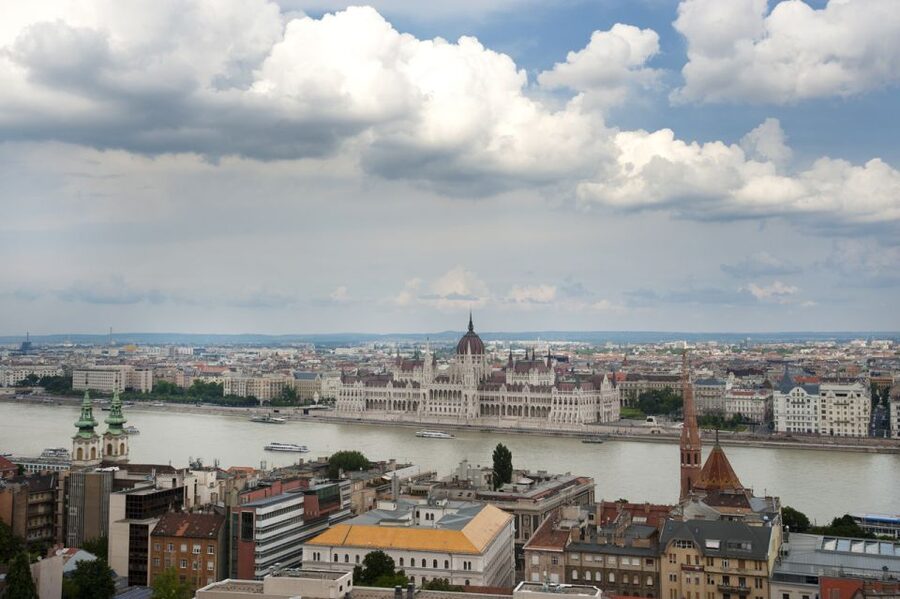
From the basilica, the tour takes in the grand civic side of Pest. The Hungarian Parliament building is one of the main sights on the route, and it gives you a clear sense of Budapest’s scale and ceremonial style.
You will hear about the building and its place in the city, but this is not presented as a full Parliament interior tour. That distinction matters. The value here is the outside view, the setting by the Danube, and the chance to connect the building to Hungarian politics and national identity.
The Pest portion also helps you notice how Budapest works as a living city rather than a set of isolated monuments. Your guide can point out details you might pass without seeing on your own, then put them into a larger story. Several guides have been praised for mixing facts with anecdotes, which is useful when a city’s history includes long stretches of political change and conflict.
I would pay attention to the moments between the headline sights. A guide who explains contemporary Hungarian culture, local habits, and daily life can give you a more useful first impression than a tour that only lists dates and architectural styles. Flora, for example, was praised for explaining Hungarian culture and the local way of life alongside the sights.
Crossing the Danube by public transport
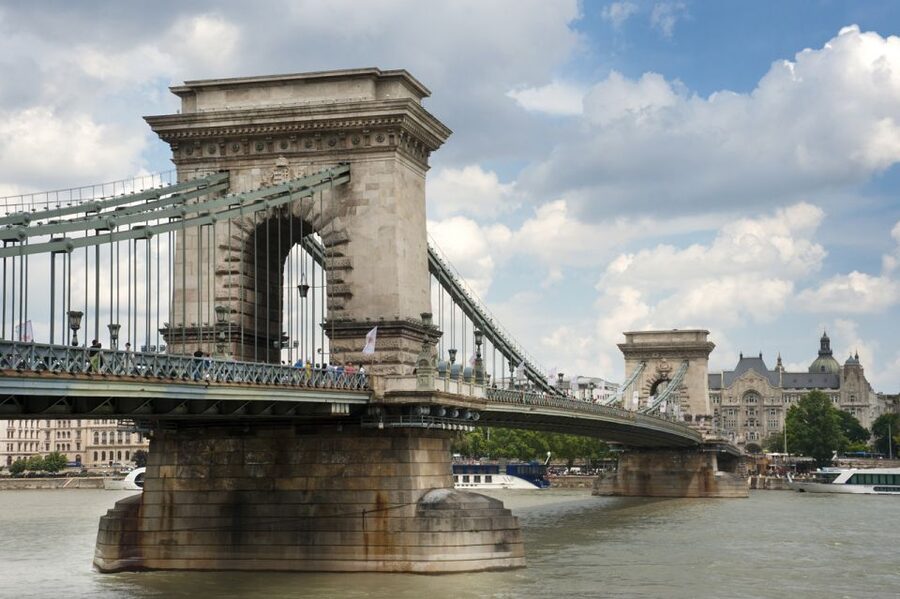
This is mainly a walking tour, but you do not walk every kilometer between Pest and Buda. The group uses public transport to cross the Danube, and that is one of the tour’s most useful features.
You need four tickets per person, costing 1,400 HUF. That transport cost is separate from the tour price. Your guide can show you how to buy and use the tickets, which removes some of the guesswork for the rest of your stay.
This part is not as scenic as crossing on foot over a bridge, but it is more practical. You get a quick lesson in the system used by residents, and you save energy for the Buda section. Joanne’s tour included a tram and bus ride, along with a stop for coffee or mulled wine. The exact vehicles and refreshment stop may vary, but you should expect public transport to be part of the route.
Bring a valid ticket and listen carefully to your guide’s instructions. The public transport cost is small compared with the benefit of learning the system early. It also means this is not a completely private pedestrian route, so you will need to move with the group and follow the guide through stations or stops.
Buda Castle and the Royal Palace
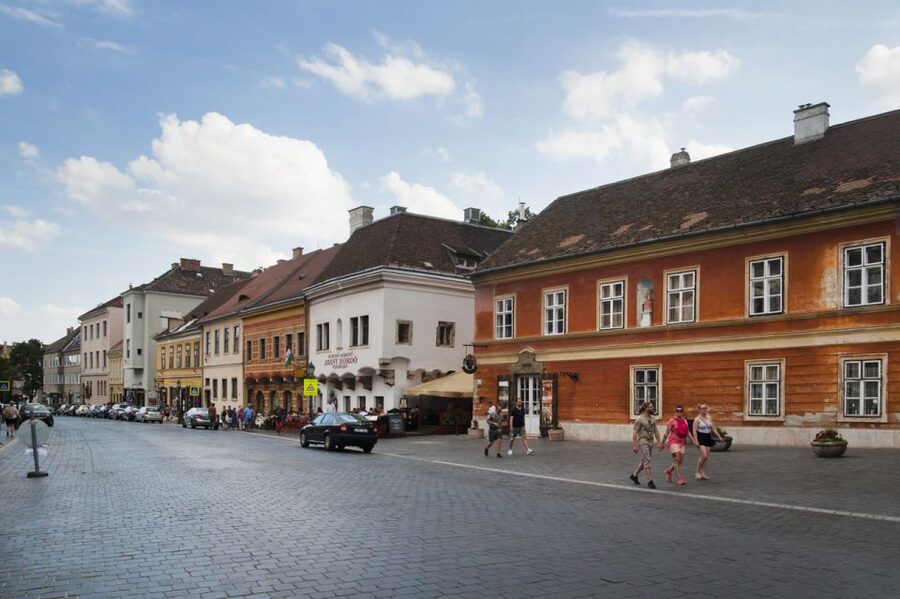
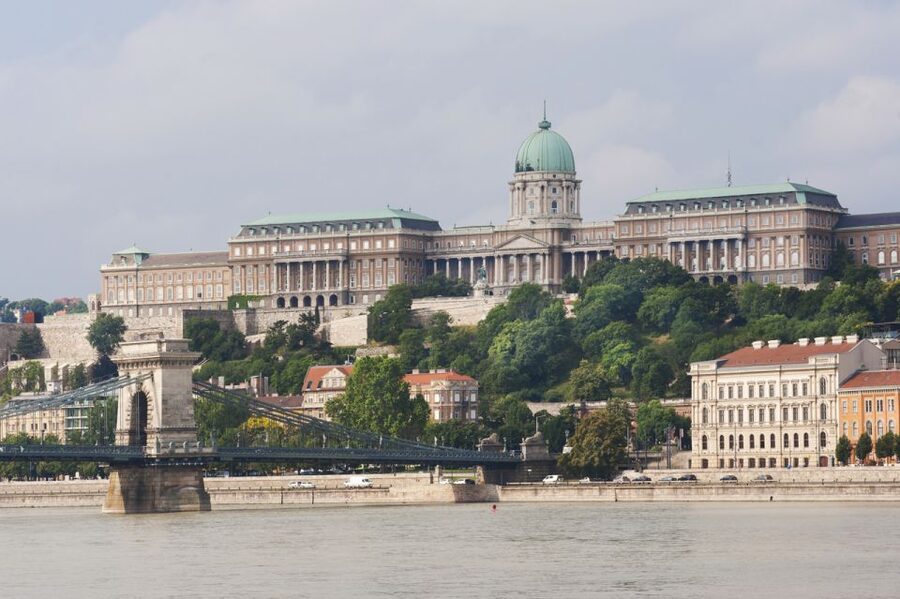
Once you reach Buda, the mood changes. The Buda side rises above the river and carries a different feel from the formal streets of Pest. The route includes Buda Castle and the Royal Palace, two of the city’s most important historic sights.
Your guide uses these places to explain Budapest’s changing fortunes. Expect stories about rulers, war, rebuilding, and the way the castle district has been shaped over time. The appeal is not just the palace itself. From Buda, you can look back toward Pest and understand the city’s position along the Danube.
Buda Castle is also a place where a guide earns the cost of the tour. Without context, you see grand walls, courtyards, and views. With a good guide, you get a sense of why this hill mattered and how it relates to the rest of Hungarian history.
The drawback is that the Buda section involves walking on higher ground. The tour is designed for different age groups, and many people have completed it comfortably, but you should still expect a fair amount of movement over three hours. Comfortable shoes are the sensible choice. If you prefer a very slow pace, a private booking gives you the best chance of shaping the route around your needs.
A few more Budapest half-days to weigh up
- Budapest: 3-Hour Grand City Tour and Castle Walk
★ 4.3 · 1,437 reviews - Budapest: 3-Hour Live Guided Sightseeing Tour
★ 4.4 · 1,041 reviews - 3 Hours Budapest Segway Grand City Tour Buda, Margaret and Pest
★ 5.0 · 255 reviews - Budapest 3-Hour Walking Tour in Italian
★ 4.6 · 217 reviews
Matthias Church and the castle district
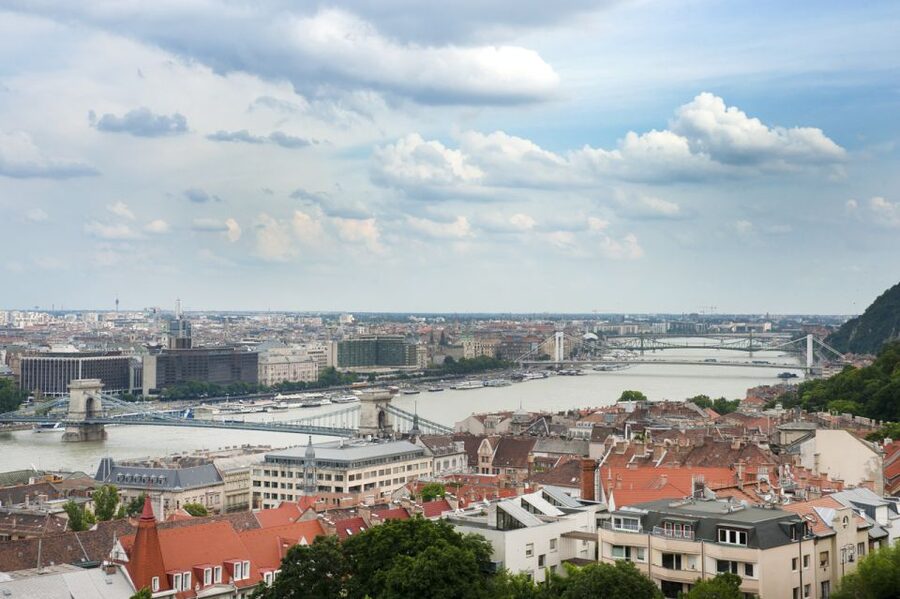
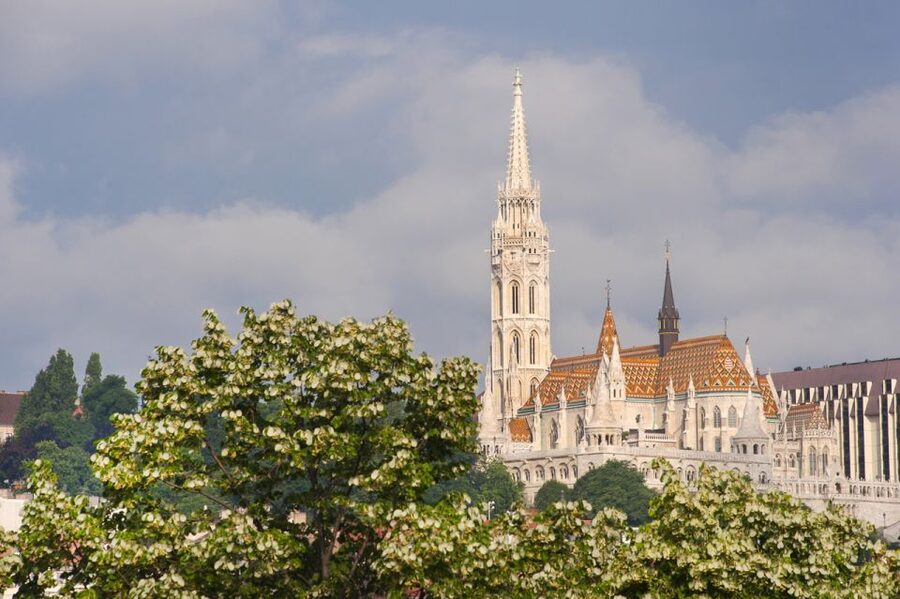
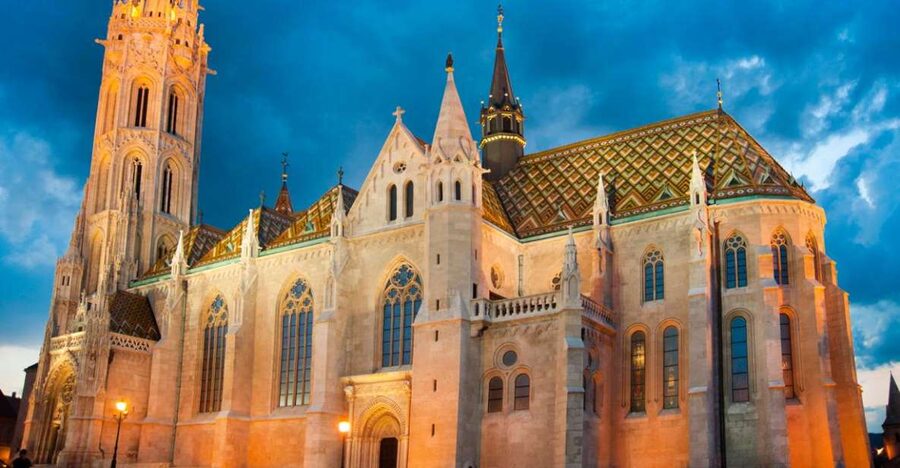
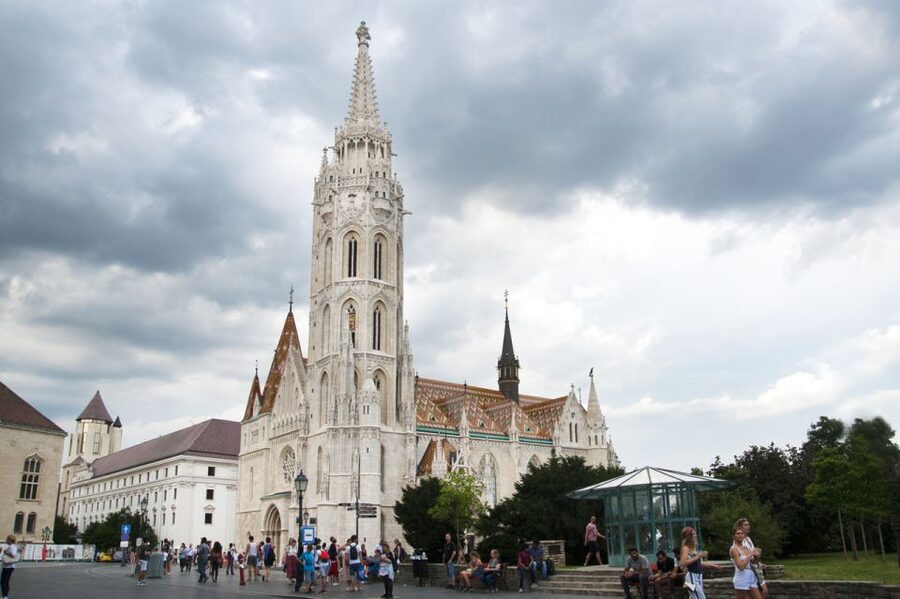
Matthias Church is another major stop on the Buda side. Its patterned roof and ornate exterior make it one of the most memorable buildings in the castle district. The church also gives your guide a chance to explain religion, royal ceremonies, architecture, and the changes that affected Buda over the centuries.
The tour may focus on the outside rather than provide a long interior visit. That is typical of an orientation walk, where the goal is to show you the main points and help you decide what to return to. If you want a detailed church visit, ask your guide how much time is available and plan a separate visit afterward if needed.
I like having Matthias Church included because it adds texture to the route. The Parliament and basilica show the formal face of Pest. The castle and church give Buda its historic character. Seeing both sides in one outing helps you avoid the common mistake of treating Budapest as one uniform city.
The best guides also leave room for questions here. Alexandra has been praised for making the walk feel like an exploration with an engaging local friend, while Verónika adjusted the outing to her group’s interests and spoke Portuguese when she learned it was their mother tongue. Language options include English, French, German, Italian, Russian, and Spanish, and the available guide depends on the departure.
Views that help you read Budapest
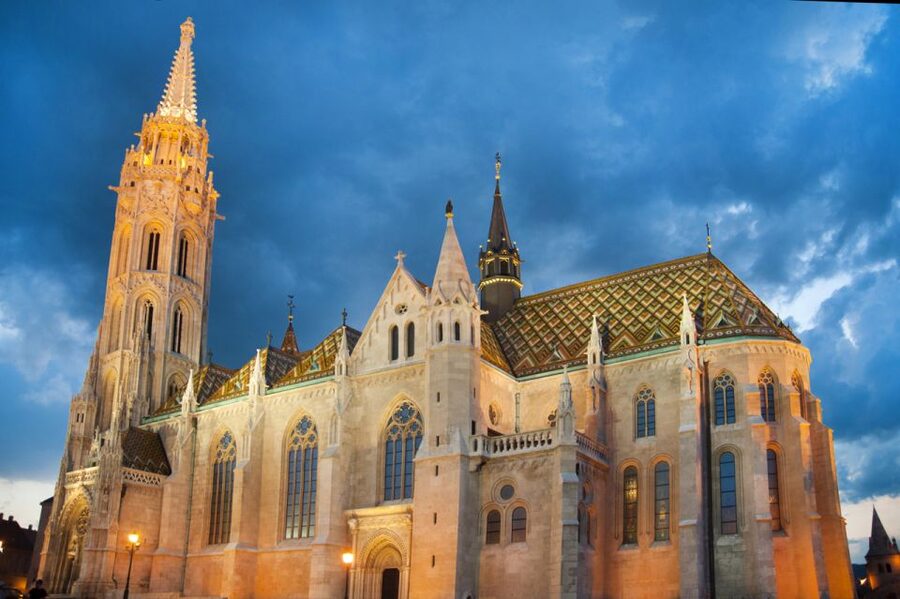
The Buda side supplies the tour’s best broad views. From the castle district, you can look across the Danube toward Pest and see how the landmarks fit together. The view is useful, not just pretty. It gives you a mental map for the rest of your stay.
You can pick out the Parliament, the basilica, the river, and the central streets from above. Afterward, you are less likely to lose track of where you are or underestimate the distance between sights.
The view also explains why Budapest can feel so different from one block to the next. Pest spreads out across the flatter side of the river, while Buda rises toward the castle district. The tour lets you compare the two directly instead of visiting them on separate days without a clear connection.
Weather affects this part of the outing. Cold conditions did not stop guides such as Zsóka from keeping the group engaged, but winter visitors should dress warmly. A windy hilltop can feel much colder than a sheltered street near the basilica. In warm weather, carry water. The tour lasts three hours and includes walking as well as transport.
History with room for present-day Budapest
The strongest feature of this tour is the guide, so your experience can vary with the person leading your group. The available comments point to a consistent pattern: Zoli is funny and helpful, Alexandra is an excellent storyteller, Monika combines facts with a friendly manner, Luisa is patient and accommodating, and Flora brings Hungarian culture into the discussion.
That mix matters. Budapest’s past can become a blur of rulers, occupations, revolutions, and rebuilding if it is delivered as a list. A good guide makes the story easier to follow and connects it to places you can see.
You should also use the guide as a local sounding board. Ask where to eat, what to visit next, how to use public transport, or which sights deserve a return visit. The tour is especially useful for a short stay because you can leave with a rough plan for the next day or two.
The format is described as highly personalized, and private or small-group options are available. A small group makes it easier to hear the guide in busy areas and ask follow-up questions. It can also help the walk move at a pace that suits your group. A larger group may feel less personal, although the tour’s strong overall score of 4.8 from 1,834 ratings suggests that the guiding remains a major strength.
Is $41 a good value?
At $41 per person, this is a reasonable price for three hours with a live local guide, especially if you are new to Budapest. You are paying for orientation, historical context, route planning, and practical help with public transport, not simply a walk between photo stops.
The value is strongest when you take the tour near the start of your visit. You can use the advice afterward, return to the sights that interest you, and avoid spending your limited time wandering without a plan.
Remember to add the public transport tickets, 1,400 HUF per person for four tickets. The tour price includes the tour and guide, but not those tickets. Any basilica interior or tower arrangements should also be checked in advance, since the basic information does not promise the same access on every departure.
A private option may cost more than the listed per-person rate, but it can be worthwhile for families, older groups, or anyone with particular interests. The standard option is better for keeping the cost down while still getting a personal introduction.
Who will enjoy this Budapest walk?
I would recommend it most strongly to first-time visitors, people with only a few days in the city, and anyone who wants history explained in plain language. It also suits visitors who like walking but want public transport included when the route crosses the river.
Younger and older tourists can both enjoy it, but the three-hour length and amount of walking deserve attention. If someone in your group needs frequent breaks, ask about a private or small-group format before booking.
This is also a good choice for curious people who want more than architecture. The guides discuss contemporary culture, local customs, and everyday life, and they welcome questions. Food advice from guides such as Zoli can be as useful as another monument.
I would choose a different format if you want long interior visits, a specialized art tour, or a slow photography walk. This outing is built to cover the city’s main framework. It gives you the map and the story, then leaves you to explore particular museums and buildings in greater detail.
Practical advice for a smoother three hours
Meet at the correct coffee shop beside Saint Stephen’s Basilica, not simply somewhere near the building. Arrive ready to walk and bring suitable shoes, since the route includes both Pest streets and the raised Buda district.
Keep 1,400 HUF available for four public transport tickets. Your guide can help you understand the system, but you still need to cover the ticket cost yourself.
Ask questions early. If you care most about architecture, food, twentieth-century history, local culture, or viewpoints, tell your guide at the start. The tour can be more useful when the guide knows what you want from it.
If you are visiting in winter, wear layers and prepare for cold on the Buda heights. If you book a private or small group, use the extra flexibility to set a comfortable walking pace and spend more time at the sights that matter most to you.
The booking terms are traveler-friendly: you can cancel up to 24 hours ahead for a full refund, and you can reserve now and pay later. Starting times vary, so check availability for your date.
Should you book the Buda and Pest orientation tour?
Book it if you want an affordable first look at Budapest that joins the two sides of the river and gives you useful advice for the rest of your stay. The biggest benefit is the combination of major sights, clear historical storytelling, and practical transport help.
I would especially choose it for a first morning or afternoon in the city. You will see Saint Stephen’s Basilica, the Parliament, Buda Castle, the Royal Palace, and Matthias Church, while also learning which places deserve a longer return visit.
Skip it if you already know Budapest well or want a single-site tour with detailed interior access. For most first-time visitors, though, this is a sensible way to get your bearings, meet a local guide, and turn three hours into a useful plan for the city.
FAQ
Where does the tour meet?
Meet next to Saint Stephen’s Basilica, in front of California Coffee Company coffee shop.
How long does the tour last?
The tour lasts three hours.
What sights are included?
The route covers Saint Stephen’s Basilica, the Hungarian Parliament building, Matthias Church, Buda Castle, and the Royal Palace. The exact amount of time at each sight can vary.
Does the tour use public transport?
Yes. The group uses public transport to cross the Danube from Pest to Buda.
How much do public transport tickets cost?
Four tickets cost 1,400 HUF per person. This cost is not included in the tour price.
Which languages are available?
Live guides are available in English, French, German, Italian, Russian, and Spanish.
Can I book a private or small-group tour?
Yes. Private and small-group options are available.
Just added around Budapest
- Budapest: Private, Personalized Pub Crawl, 3 drinks included★ 4.5 · 3 reviews
- Private day trip from Budapest to Bratislava, Vienna, and back★ 3.5 · 3 reviews
- Budapest: Private Adventure Sightseeing Bicycle Tour★ 4.5 · 3 reviews
- Private Danube Bend tour – full day★ 4.5 · 3 reviews
- Budapest Old Jewish Quarter History Private Walking Tour★ 5.0 · 3 reviews
- Lake Balaton Full Day Private Wine Tour★ 5.0 · 3 reviews
- Budapest: Guided City Walking Tour in Buda and Pest★ 5.0 · 3 reviews
- Budapest Urban Feast – Food Tour with Wine Tasting & Coffee House★ 4.5 · 3 reviews
Walking Tours, compared.
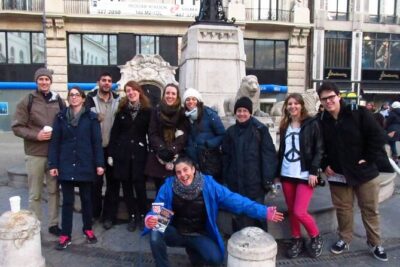
Budapest City Landmarks Walking Tour in 2 Hours
Read our review →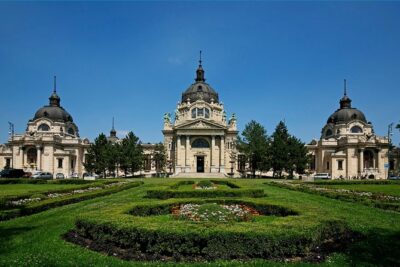
Budapest All in One Small Group Walking Tour with Strudel Stop
Read our review →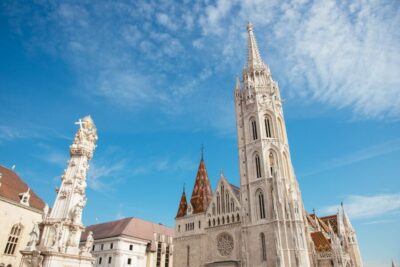
Buda Castle District Walking Tour with a Historian
Read our review →
BloodThirsty Hungary: Walking tour & Dark Historical Stories
Read our review →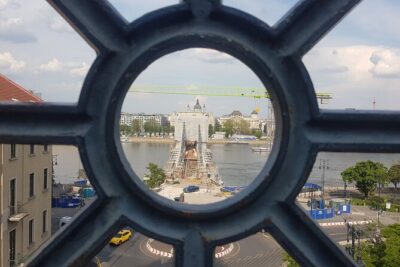
Browse the lists this tour appears in