
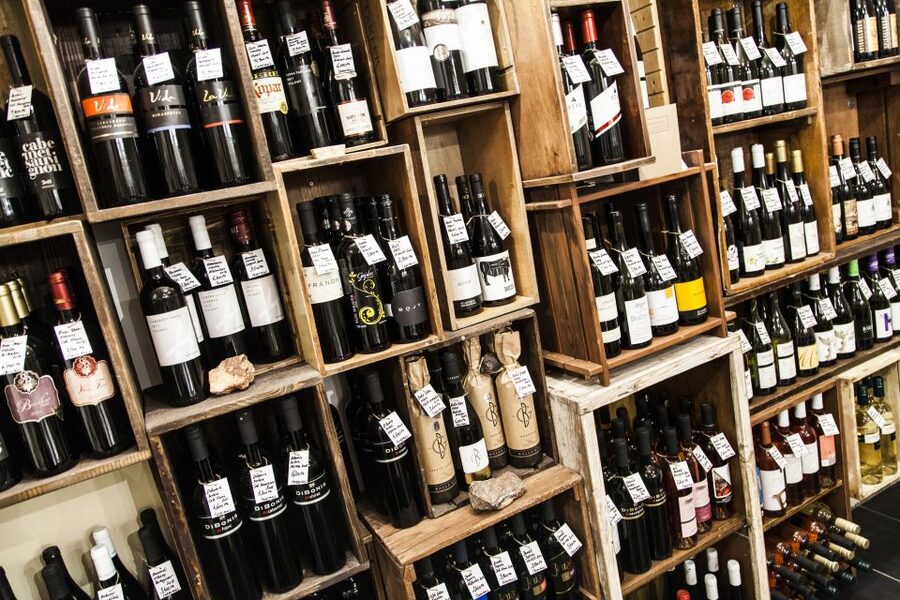
Reviewed · HUNGARIAN WINE TASTINGS
Budapest: Essentials of Hungarian Wine Tasting Class
Hungary’s wine story is far more varied than most visitors expect, and this two-hour tasting gives you a useful map before you start ordering bottles around Budapest. You’ll sample eight wines, mostly from small producers, while a sommelier explains the regions, grapes, soils, styles, and changing direction of Hungarian winemaking.
I like the generous pours and the way the wines come with local cheese, charcuterie, bread, and other Hungarian flavors. I also like the friendly table format, which makes it easy to meet people from different countries. The one caution is simple: eight wines can amount to nearly eight glasses, so this is a serious evening of drinking, not a tiny sip-and-swallow tasting.
Key Points To Know Before You Book
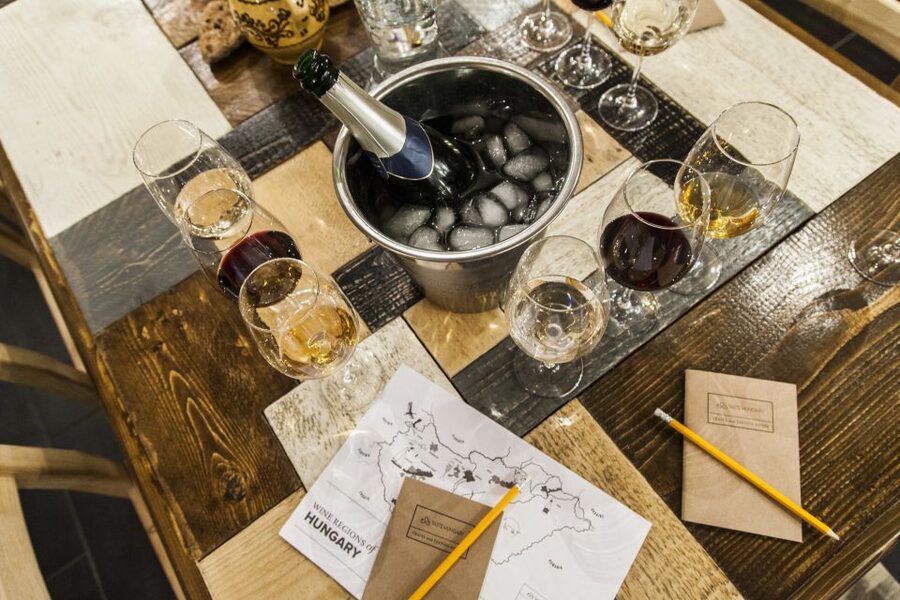
- Eight wines tell the story: The lineup usually moves from sparkling wine through whites, reds, and a sweet Tokaj aszú.
- Sommelier-led and in English: Hosts such as Tomas, Carlos, John, Sebastian, and others bring their own style and regional knowledge.
- Local food is part of the experience: Expect Hungarian cheeses, cured meats, bread, and other pairings rather than wine alone.
- A central Budapest location: The Tasting Table Budapest is on Bródy Sándor utca, close to the National Museum and two metro stations.
- Good value for serious tasters: At $65 per person, the eight wines, food, instruction, and two-hour format make this more than a quick tourist sample.
- Plan for a full evening: Most sessions run from 6:00 PM to 8:00 PM, and some have continued longer when conversation is flowing.
Why Hungarian Wine Deserves Two Hours
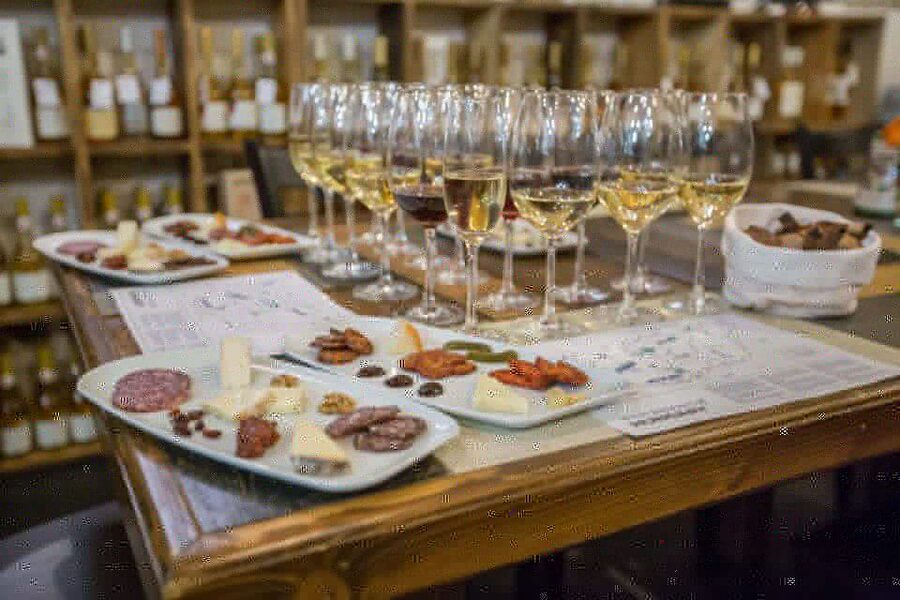
Hungary is best known abroad for Tokaj, especially the sweet Tokaj aszú wines made with botrytised grapes. That is only one part of the story. The country also produces crisp whites, fragrant varieties, serious reds, sparkling wines, rosé, and grapes that may be unfamiliar if your wine experience has focused on France, Italy, Spain, or California.
This tasting works because it does not ask you to memorize a long list of labels. Instead, the eight wines form a guided route through Hungarian wine culture. You learn where the wines come from, which grapes matter, and how soil and climate affect the glass in front of you.
For me, that structure is more useful than a random flight of wines. A random flight may contain good bottles, but you leave with little sense of why they were chosen. Here, every bottle has a job in the story.
The focus on smaller producers is another plus. You are not simply tasting the most familiar supermarket brands. You get a look at producers the hosts have bought from directly and followed over time. That gives the evening a more personal feel, and it can point you toward bottles you might not find easily at home.
More Hungarian wine to taste:
- Budapest: Premium Sightseeing Cruise with Tokaj Frizzante
★ 4.7 · 2,510 reviews - Countryside Half-day Gastro-Wine Tour from Budapest Meal & pickup
★ 5.0 · 1,450 reviews - From Budapest: Etyek Wine Tasting Tour with 3-Course Meal
★ 4.8 · 557 reviews
Starting Near Budapest’s National Museum
The meeting point is The Tasting Table Budapest at Bródy Sándor utca 9 in District VIII. It is about 150 meters from the National Museum, so you can pair the tasting with an afternoon in the museum area or an early dinner nearby.
The location is practical for a Budapest evening. Astoria on metro line M2 and Kálvin tér on metro line M3 are each about a five-minute walk away. Trams 47 and 49 also stop at those areas.
The venue has been described as a charming old cellar with brick arches. That atmosphere matters here. Wine is easier to appreciate in a quiet, intimate room than in a loud bar, and the cellar setting gives the tasting a clear sense of place without turning it into a theatrical show.
I would arrive with enough time to find the room without rushing. The tasting is an evening activity, and the central location makes it easy to continue elsewhere afterward. Keep in mind that the session itself may provide enough food and alcohol to serve as your evening plan.
The Eight-Wine Sequence
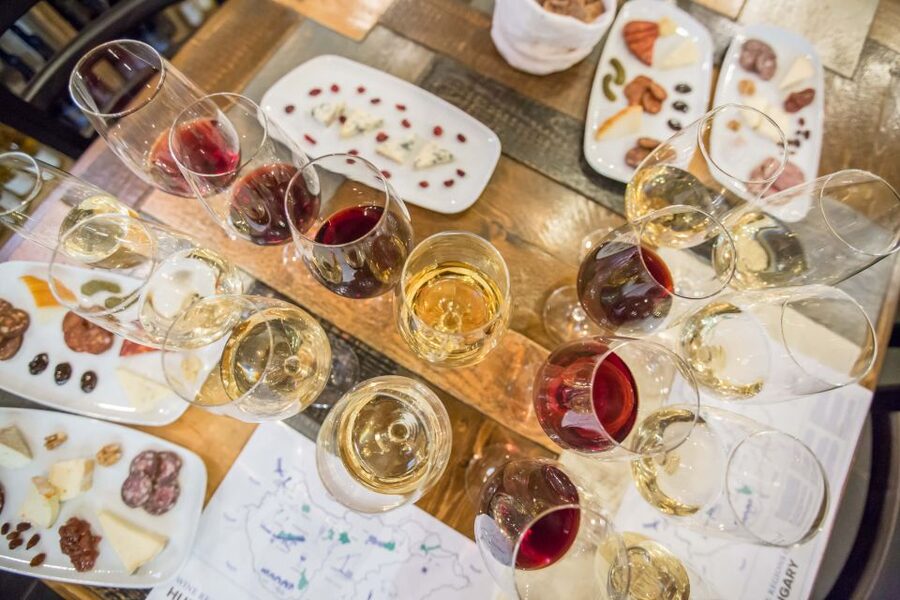
The evening usually begins with an aperitif, often a sparkling wine. This is a sensible opening because it wakes up your palate and gives the sommelier an easy way to introduce Hungarian winemaking before moving into still wines.
The next part covers whites, and possibly a rosé. This is where the regional differences become clear. Hungarian whites can show freshness and perfume, while local grape varieties bring flavors you may not recognize from standard international wine lists.
The reds follow. The exact bottles change, but the point is to show different styles rather than give you eight near-identical pours. You may find familiar grapes presented in a Hungarian setting, alongside varieties that are less common outside the country.
The final wine is a sweet botrytised Tokaj aszú. Ending with Tokaj makes sense both for flavor and for tradition. The sweetness provides a natural finish, and the wine gives you a direct introduction to Hungary’s most famous wine style.
The selection changes over time, which is good news if you return to Budapest. One earlier session included one sparkling wine, three whites, three reds, and one sweet wine. That is a generous spread for a two-hour class, particularly when the pours are closer to small glasses than token tastes.
What The Sommelier Adds
The host is the heart of the evening. Different sessions have featured people such as Tomas, Carlos, John, Sebastian, Christian, and others. Their personalities vary, but the format calls for an English-speaking sommelier who can explain Hungarian regions, grapes, production, and style in plain terms.
Tomas has been praised for explaining how soil and climate shape flavor. Carlos has been described as both entertaining and well informed about Hungary and its wines. John has brought personal stories and international wine experience to the discussion, while Sebastian has guided visitors through the lineup with a warm, welcoming approach.
That range is useful to know before you book. This is not a recorded presentation, so the exact tone depends on the person leading your session. One host may focus on technical details. Another may use humor and personal stories. The common thread is clear enthusiasm for Hungarian wine.
The best part of the format is that the host does not need to talk every second. Information is generally given as each wine arrives, followed by time to taste, eat, compare notes, and talk with the people at your table. That keeps the session social rather than turning it into a two-hour lecture.
There is one possible weakness. If your host is especially enthusiastic, the amount of information can feel heavy after several glasses. One participant found the talk more detailed than necessary, while another noted that nearby conversation made some comments hard to hear. If you want every fact, sit close and take notes. If you prefer a relaxed night, let the discussion wash over you and focus on the wines you enjoy.
A few more Budapest half-days to weigh up
- Budapest Centre Food Tour with 10+ Tastings, Wine & Street Food
★ 5.0 · 810 reviews - Budapest: Wine, Cheese, and Charcuterie Tasting
★ 4.9 · 647 reviews - Budapest Cooking Class & Market Tour with Local Guide & Wines
★ 5.0 · 553 reviews - Hungarian Wine Tasting (with Cheese and Charcuterie) in Budapest
★ 5.0 · 531 reviews
Food Pairings That Make The Wine Easier To Understand
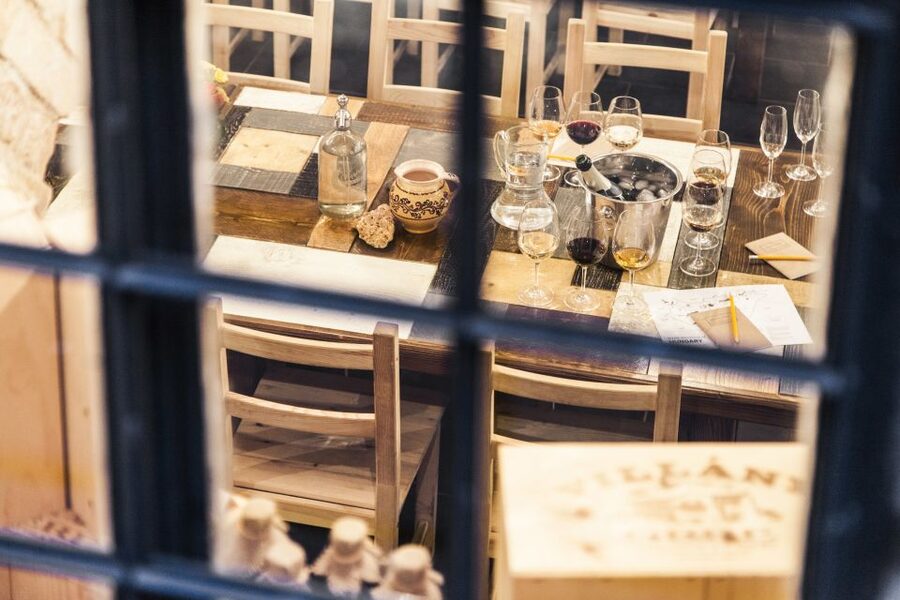
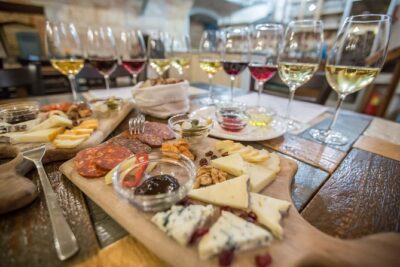
The food is not an afterthought. Plates commonly include Hungarian cheeses and charcuterie, with bread and other local flavors. Pumpkin seed oil and chutney have also appeared as extra accompaniments.
These pairings give the tasting more substance than a few crackers would. Cheese and cured meat help soften strong reds, while bread and lighter bites reset your palate between pours. You also get a small introduction to Hungarian food culture without committing to a full restaurant meal.
The portions have sometimes been generous enough to replace dinner, though you should not count on a formal meal. One person wanted more food alongside the wine, while others found the cheese and charcuterie abundant. My practical advice is to eat a light meal beforehand, especially if you do not drink often, then treat the tasting food as a substantial snack.
The pairings also make the evening friendlier. You are not staring at eight glasses in silence. You are passing plates, comparing favorites, and discussing whether a cheese changes the way a wine tastes.
A Social Format For Solo Visitors And Couples
The tasting is set up to bring people together. You may sit with other wine drinkers from several countries, and the shared table gives you an easy conversation starter.
This suits solo visitors particularly well. You are not left alone with a worksheet and eight glasses. The sommelier includes the room, and the food creates natural breaks for conversation.
Couples and small groups will also find it easy to enjoy the session together. If your friends have different levels of wine experience, that is not a problem. The class is intended for anyone interested in Hungarian wine, not only people who can identify obscure aromas.
The atmosphere is relaxed and unpretentious. You can ask basic questions without feeling out of place, but there is enough substance to keep an experienced wine drinker interested. One useful sign is that some people have bought bottles after the tasting, either to drink during their trip or take home.
Is $65 A Fair Price?
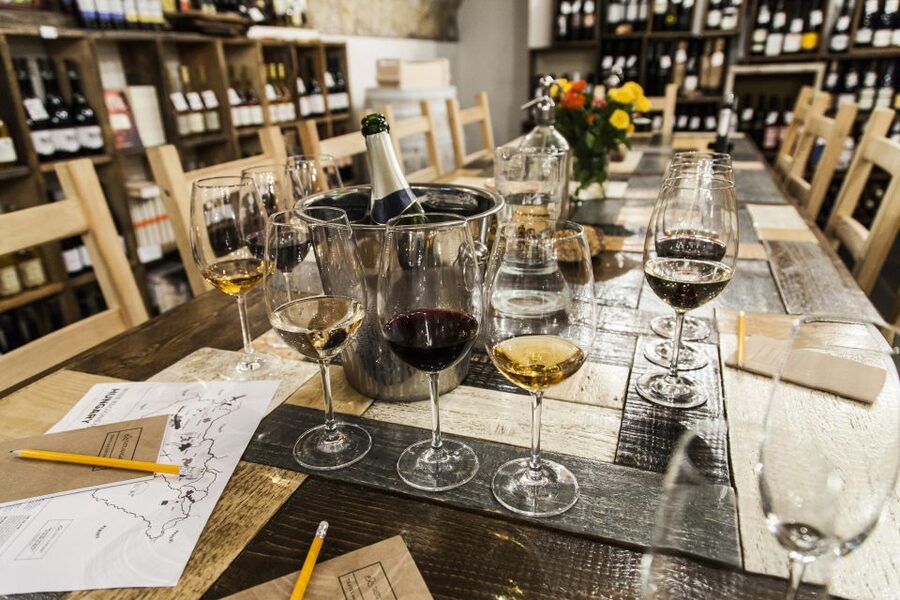
At $65 per person, this is not the cheapest way to drink wine in Budapest. You could order several glasses at a wine bar for less, especially if you share them. That comparison misses the point, though.
The price includes eight wines, mineral water, food pairings, a two-hour guided class, tasting sheets, and a map of Hungarian wine regions. You are paying for access to a broad selection plus someone who explains why each bottle belongs in the lineup.
The generous pours improve the value, but they also create the main practical warning. Eight full-size or near-full-size pours can leave you tipsy. If you plan to walk around afterward, keep your plans gentle. You might prefer to head back to your hotel or enjoy a quiet drink rather than schedule a major attraction.
The tasting sheets are a small but worthwhile detail. Write down the names of the grapes and producers you like as you go. Your palate and handwriting may become less precise after the fourth glass, so mark your favorites early.
The session can also save money later. Instead of guessing at bottles in a shop, you can buy something you already tasted. The shop has offered discounts on wines sampled during the class, although the supplied information does not specify the current discount. Ask before purchasing if that matters to you.
Timing, Booking, And Practical Details
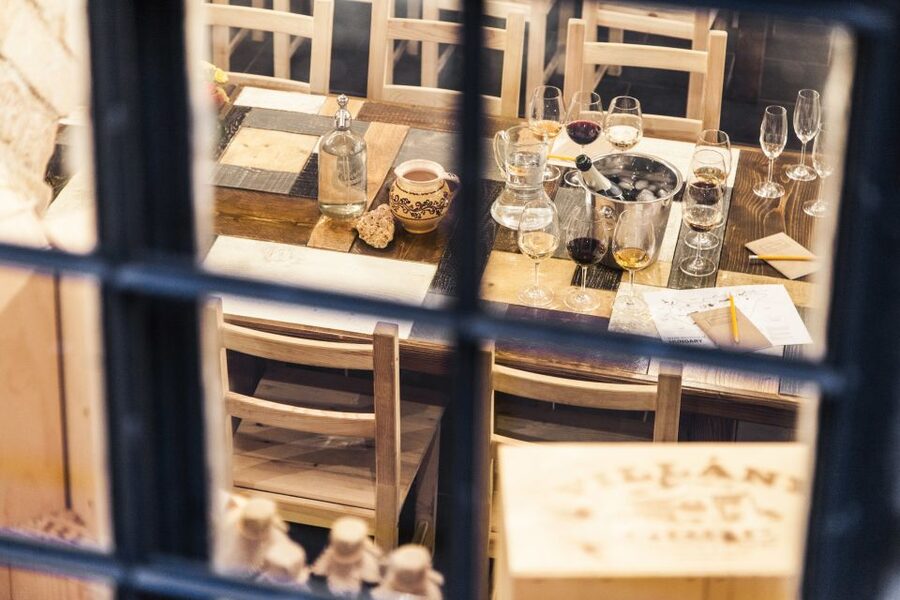
Most sessions take place from 6:00 PM to 8:00 PM on evenings when the class is available. Check the current start time when booking, since availability can vary.
The legal drinking age in Hungary is 18, and participants must be at least 18. The experience is offered in English.
A minimum of two people applies. If too few people book, the session can be canceled even after confirmation. In that case, you are offered an alternative or a full refund.
You can cancel up to 24 hours before the activity for a full refund. The reserve-now-and-pay-later option is useful if you are still arranging your Budapest schedule.
I would book this early in a short visit, ideally during the first or second evening. It gives you a working knowledge of Hungarian wine before you order more bottles at dinner. It can also help you decide if a later trip to one of Hungary’s wine regions belongs on your plans.
Who Will Enjoy This Most
This is a strong choice for you if you want to understand Hungary through what it grows and produces, rather than only through major sights. It is also a good fit if you enjoy meeting people at shared tables and want an evening with structure but no hard physical effort.
Wine beginners should feel comfortable here. You do not need a broad vocabulary or a trained palate. The sommelier explains the basics and lets you decide what you like.
Experienced wine drinkers will appreciate the regional focus and small-producer selection. The class may introduce grapes or styles that are new to you, and the hosts can usually discuss production in more detail if the group is interested.
You may want to skip it if you dislike group activities, prefer to choose every bottle yourself, or rarely drink alcohol. You should also think twice if eight wines in two hours sounds excessive. This is a tasting class, but it is a generous one.
Should You Book The Hungarian Wine Tasting Class?
I would book it if you have even a passing interest in wine and want a useful introduction to Hungary beyond Tokaj. The strongest reasons are the eight-wine progression, the local food, the central cellar setting, and the hosts’ clear passion for producers from across the country.
The main drawback is the amount of alcohol and information packed into two hours. Sit near the sommelier, eat as you go, drink the water, and take notes early. If you do that, the $65 price buys both an enjoyable night and a practical guide to ordering Hungarian wine for the rest of your trip.
FAQ
How long does the Hungarian wine tasting last?
The tasting lasts two hours, usually from 6:00 PM to 8:00 PM when the evening session is available.
How many wines are included?
Eight Hungarian wines are included. The lineup begins with an aperitif and generally includes whites, reds, possibly rosé, and a sweet botrytised Tokaj aszú.
Is food included with the wine?
Yes. The tasting includes food pairings with local Hungarian flavors, including cheese, charcuterie, and other accompaniments.
Where does the tasting take place?
It takes place at The Tasting Table Budapest, Bródy Sándor utca 9, 1088 Budapest, in District VIII. The venue is about 150 meters from the National Museum.
Is the tasting offered in English?
Yes. The host or greeter and the guided tasting are in English.
What is the minimum age to participate?
The legal drinking age in Hungary is 18, so participants must be at least 18 years old.
More Workshops in Budapest
- Budapest: Hungarian Chimney Cake Workshop in the City Center
★ 4.8 · 885 reviews - Chimney Cake Workshop Budapest Downtown – Kürtőskalács Class
★ 5.0 · 220 reviews - Budapest: Hungarian Cooking Class and Market Walk
★ 5.0 · 91 reviews - Hungarian Strudel Making Class: Stretch & Fill Two Ways
★ 5.0 · 76 reviews
More Food Tours in Budapest
- Budapest: Unlimited Prosecco, Beer and Aperol Spritz Cruise
★ 4.8 · 25,310 reviews - Budapest: Unlimited Prosecco, Beer & Aperol Spritz Cruise
★ 4.5 · 3,371 reviews - Budapest: Guided Foodie Walking Tour with Food and Drinks
★ 4.9 · 453 reviews - Budapest Food Tour: Market to Tavern with 14+ Tasters & Wines
★ 5.0 · 434 reviews
Just added around Budapest
- Budapest: Private, Personalized Pub Crawl, 3 drinks included★ 4.5 · 3 reviews
- Private day trip from Budapest to Bratislava, Vienna, and back★ 3.5 · 3 reviews
- Budapest: Private Adventure Sightseeing Bicycle Tour★ 4.5 · 3 reviews
- Private Danube Bend tour – full day★ 4.5 · 3 reviews
- Budapest: Guided City Walking Tour in Buda and Pest★ 5.0 · 3 reviews
- Budapest Old Jewish Quarter History Private Walking Tour★ 5.0 · 3 reviews
- Lake Balaton Full Day Private Wine Tour★ 5.0 · 3 reviews
- Budapest Urban Feast – Food Tour with Wine Tasting & Coffee House★ 4.5 · 3 reviews
Hungarian Wine Tastings, compared.
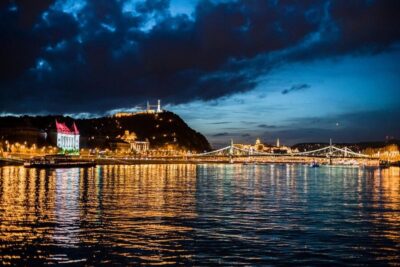
Premium Sightseeing Cruise with Tokaj Frizzante
Read our review →
Countryside Half-day Gastro-Wine Tour from Budapest Meal & pickup
Read our review →
Hungarian Wine Tasting (with Cheese and Charcuterie) in Budapest
Read our review →
Budapest River Cruise with 1 Free Tokaj Frizzante and Audio Guide
Read our review →
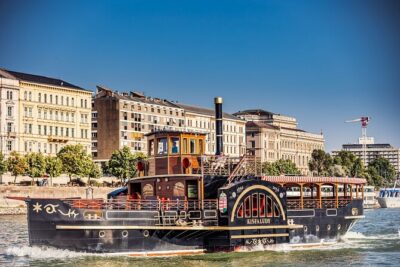
Budapest Paddle Steamer Danube Cruise with Tokaj & Audio Guide
Read our review →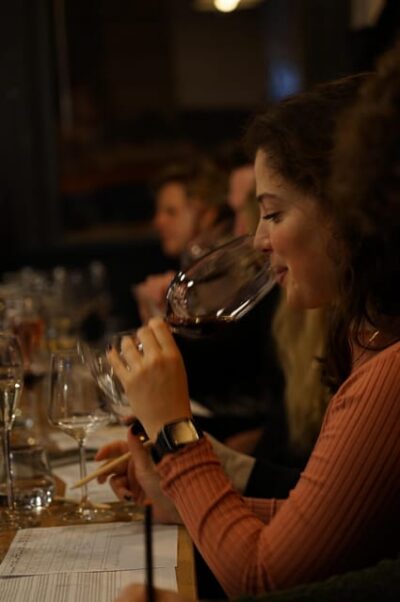
8-Tier Hungarian Wine Tasting in a Cozy Downtown Wine Bar
Read our review →Browse the lists this tour appears in