
Reviewed · WALKING TOURS
Private Budapest All In One Walking Tour with Strudel Stop
Budapest packs a lot into a small area, and this private tour tackles the city’s big sights at a brisk pace, from Heroes’ Square and the thermal baths to Parliament, the Chain Bridge, and Buda Castle. The clever part is the mix of walking and public transport, including the historic underground, so you cover ground without spending the day on a bus.
I especially like the private format, which lets your guide adjust the route and conversation. Guides such as Eszter, Andi, Adrienne, Sándor, and Balint have helped visitors focus on subjects ranging from royal architecture to World War II, communism, food, and modern Hungarian life. I also like the timed strudel stop, a welcome chance to sit down with rétes, coffee, tea, or a soft drink.
The trade-off is pace. Three and a half hours is enough for an excellent city orientation, not a slow inspection of every landmark. You will walk quite a bit, and the route may include stairs around Buda Castle. Entry fees for St. Stephen’s Basilica, Parliament, and Fisherman’s Bastion are not included, and most stops are brief exterior visits.
The essential details at a glance
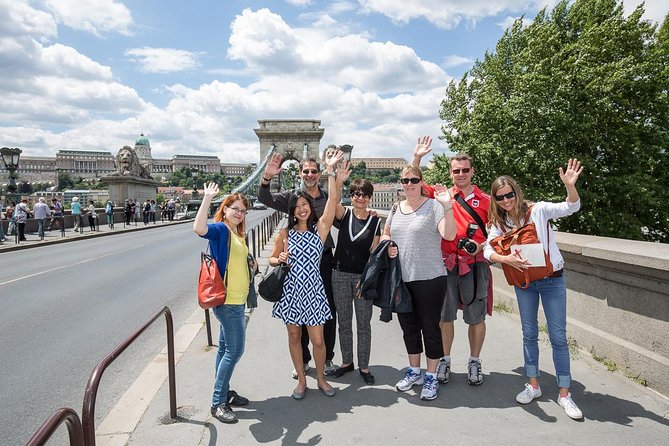
- Hotel pickup begins the experience: You meet your private English-speaking guide at your accommodation, with the pickup location supplied at booking or at least 72 hours before the tour.
- Public transport is part of the lesson: Tickets are included, and you may ride the historic underground, along with other city transport, rather than viewing Budapest only from the pavement.
- The route crosses both sides of the Danube: You see Pest’s grand avenues and Parliament, then cross toward the Chain Bridge and Buda Castle District.
- Rétes breaks up the sightseeing: A 30-minute stop at Strudel House Budapest includes Hungarian strudel and coffee, tea, or a soft drink.
- It is a true private tour: Only your own group participates, making it easier to ask questions and request changes.
- Expect orientation, not full admissions: The tour explains the sights and their setting, but some interiors require separate tickets and more time.
Why a private overview works well in Budapest
Budapest can feel confusing on a first morning. Its major sights spread across two sides of the Danube, while the historic underground, trams, buses, bridges, and hills all play a part in getting around. This tour gives you a working map of the city quickly.
You begin at your accommodation, which saves the usual hunt for a meeting point. From there, the guide can explain how the day will run and adjust the emphasis. If you already saw Buda Castle, one guide redirected the time toward the Jewish quarter and the difficult story of Hungary during the 20th century. Other guides have added the New York Café, a retro café, or sights that were not on the standard route.
That flexibility is the main reason to choose this over a large group outing. You can ask about a particular period, stop for photographs, or spend more time on architecture. The guides named in past bookings include Rebeka, Monika, Eszter, Sándor, Arpad, Balint, Adrienne, Bogata, Ferenc Manu, George, and Andi. The experience can vary by guide, but the strongest pattern is a personal, conversational approach with plenty of local perspective.
The tour is also useful for learning Budapest’s transit system. One guide gave a quick tutorial so the group felt ready to use the metro and trams alone afterward. That practical help can be worth as much as another monument, especially if you are only in town for a short stay.
More walking tours in Budapest:
- Budapest: Buda Castle Walk with Saint Stephen’s Hall
★ 4.5 · 3,012 reviews - Big Bus Budapest Hop-On Hop-Off Bus and Walking Tour
★ 3.5 · 2,206 reviews - Budapest: Buda Castle District Walking Tour
★ 4.6 · 2,108 reviews
Heroes’ Square and the story of Hungarian beginnings
Heroes’ Square is a grand opening scene. The central monument honors the Seven Chieftains of the Magyars, while the surrounding statues represent major national leaders. Your guide has about 25 minutes here, enough to explain the monument and give you time for photographs.
The square was built for Hungary’s 1896 millennium celebrations, marking a thousand years since the Magyar arrival in the Carpathian Basin. The arrangement can look like a row of statues at first, but a guide helps turn it into a quick lesson in national identity, monarchy, and political memory.
This is a photo stop rather than a museum visit. If you want to study every figure or enter nearby institutions, you will need extra time beyond the tour. Still, it is an efficient place to begin because the monument gives context for the rest of the day.
Vajdahunyad Castle and the city’s bath tradition
A short walk brings you to Vajdahunyad Castle, another creation of the 1896 Millennial Exhibition. Its design draws on several Hungarian architectural traditions, which makes it more varied than the word castle suggests. You have about 15 minutes to look around and hear how the exhibition shaped the area.
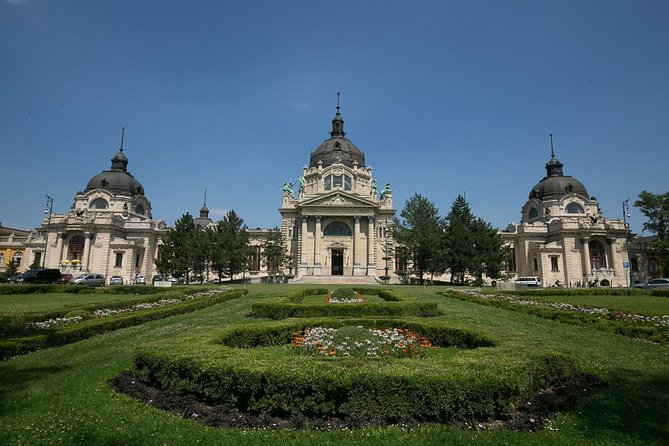
The nearby Széchenyi Baths are one of Budapest’s signature institutions. The tour does not include bathing, and you do not get a long spa visit. Instead, your guide spends about 10 minutes explaining Hungary’s bath culture, with a look into the historic drinking hall and, if side doors are open, a peek toward the outdoor pool area.
That distinction matters. Pack a swimsuit only if you plan to return separately. This stop is about understanding why thermal bathing matters in Budapest, not using the pools during the tour.
Riding the first continental underground along Andrássy Avenue
The route then uses public transport to reach Andrássy Avenue. The historic underground railway is an important part of the experience, not just a way to save tired feet. It was the first underground railway on the European continent, and riding it gives you a small taste of how Budapest connected its ceremonial center with the outer parts of the city.
Andrássy Avenue links grand architecture, former aristocratic life, shops, and restaurants. The listed stop is short, around 10 minutes, so expect a moving introduction rather than a full architectural walk.
I like this section because it shows Budapest as a functioning city, not only a collection of postcard views. You learn how to move around, see the avenue in context, and avoid wasting time retracing your steps.
A few more Budapest half-days to weigh up
- Private Budapest TukTuk Tour: Custom Route, Hotel Pickup
★ 5.0 · 1,307 reviews - Budapest Essentials Private Tour Highlights and Hidden Gems
★ 5.0 · 861 reviews - Budapest Private Tuk Tuk Half-Day Tour
★ 5.0 · 606 reviews - Budapest One Way Private Transfer to or from Airport
★ 4.5 · 548 reviews
St. Stephen’s Basilica and the pause at Strudel House
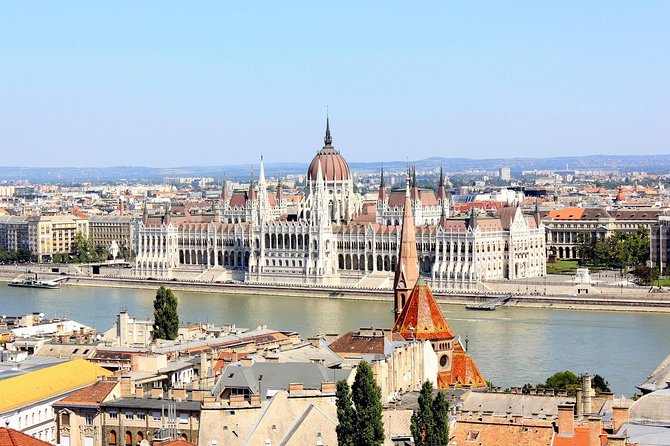
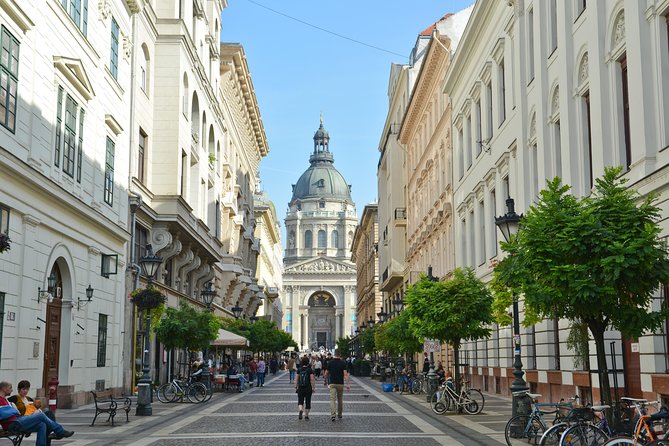
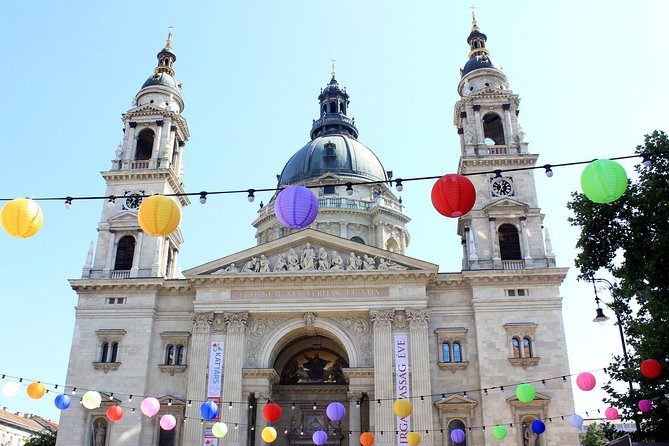
St. Stephen’s Basilica is Budapest’s largest church and Hungary’s third-largest ecclesiastical building. Its scale is easy to appreciate from the square, where the guide can explain its history and place in the city.
The tour allows about 15 minutes here. Admission is not included, so confirm the current entry arrangements if you hope to go inside. With this schedule, the basilica is best treated as an exterior visit unless your guide and timing allow something more.
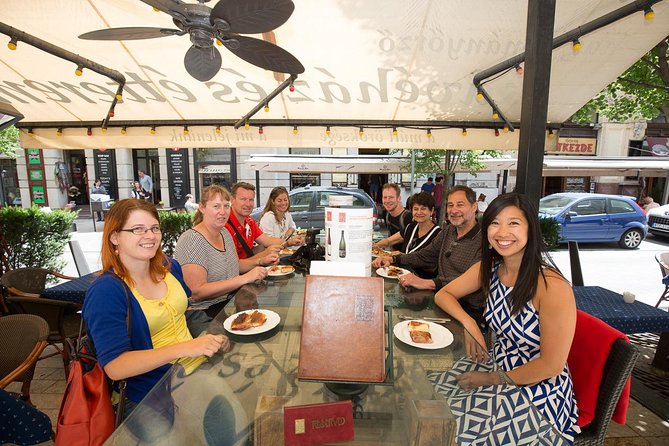
Then comes the most relaxed part of the route: 30 minutes at Strudel House Budapest, also called Első Pesti Rétesház. You sit down for Hungarian rétes, the local form of strudel, with coffee, tea, or a soft drink. This is not a throwaway pastry break. It gives you a chance to sample a familiar dessert in a distinctly Hungarian style.
Be open to more than apple or cherry. One person was unsure about cabbage strudel and found it surprisingly good. That is exactly the sort of small local nudge a private guide can provide. The stop also matters physically. After a busy first half, your feet get a rest before the tour continues.
Liberty Square and the hard questions of the 20th century
Liberty Square is a useful change of tone. Its more than two centuries of history allow the guide to connect Hungary’s political past with the 20th century, which is the main focus here.
The strongest guides do not reduce Budapest to pretty buildings and royal anecdotes. Adrienne, for example, was praised for explaining both World War II and the years of communist rule, while another guide adapted the day to include the Jewish section and the painful events that affected Hungary. If those subjects matter to you, say so at the start.
You have about 15 minutes in the square. That is enough for a pointed explanation, but not a complete history lesson. I would treat this as a doorway into subjects you can explore later at museums or memorial sites.
Parliament from the Danube side
The Hungarian Parliament Building is one of Budapest’s defining sights, with its Gothic Revival lines and riverside position. Your guide spends roughly 15 minutes around the building, explaining its construction and political role.
The tour does not include Parliament admission. That is important because an interior visit requires its own ticket and a separate time commitment. This outing gives you the setting, exterior views, and practical clue about where the entrance is. One guide even pointed out the Parliament tour entrance, which helped the group reach a later booking on time.
You will get better value from this stop if you arrive with realistic expectations. It is a guided look at the building and its surroundings, not an interior tour.
Chain Bridge lions and the Danube crossing
At the Danube, the Chain Bridge provides one of the day’s most memorable stops. The lion statues guard the bridge approaches, and your guide explains the famous story about whether the lions have tongues.
You have about 10 minutes at the lion statue area. That is enough for photographs and the tale, then you can cross the bridge or continue toward Buda depending on the day’s route. The river setting also helps you understand Budapest’s geography: Pest is broad and relatively level, while Buda rises on the opposite bank.
A private tour is particularly handy here because your guide can point out what you are seeing without turning the crossing into a rushed march. The bridge is a scenic link, but it is also a key piece of the city’s identity.
Fisherman’s Bastion and Buda Castle District
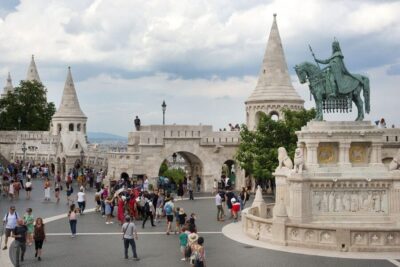
Fisherman’s Bastion is the great camera stop. From its terraces, you look across the Danube toward Pest, Parliament, and the broad sweep of the city. The listed time is about 10 minutes, so you should expect a compact visit focused on views.
Admission is not included. Depending on the area visited and the time of day, you may need a separate ticket for certain terrace sections. Ask your guide which parts are included in the walking route before assuming every lookout is free.
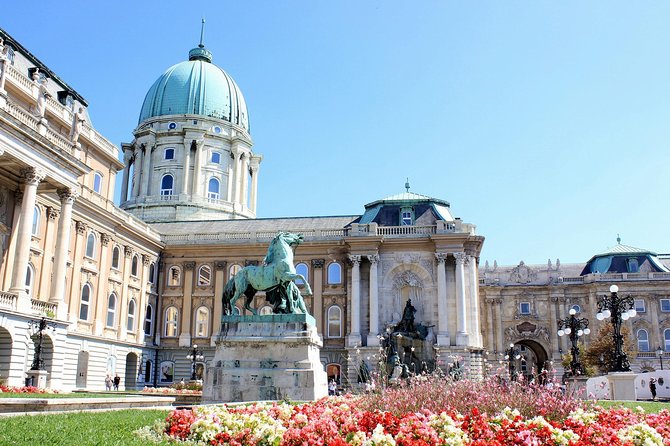
The final section moves through Buda Castle District, with about 10 minutes devoted to its history before saying goodbye. The district is much more than one palace. It is a historic quarter of streets, government buildings, churches, and viewpoints, and it deserves a longer return visit if your schedule permits.
Some people find the stairs around Buda demanding. The funicular may be an option, but it is not included in the tour price. One group chose to ride it later and walk down instead. Your guide can help you judge the route, but wear shoes suited to sustained walking.
What the $153.27 price really buys
At $153.27 per person, this is not the cheapest way to see Budapest. The price makes more sense for a small party that values a dedicated guide, hotel pickup, included public transport tickets, and the ability to shape the discussion.
For two people, the cost is easier to justify if this is your first morning in Budapest and you want a strong orientation. For a larger private group, group discounts may improve the value. The included refreshment and strudel are pleasant extras, but the real purchase is time and guidance.
You are paying to avoid route-planning across a spread-out city. You also get the confidence to use the metro, trams, and buses, plus direct answers about restaurants, later sightseeing, and practical details. Andi, for example, offered restaurant advice and helped point out the Parliament entrance after the scheduled walk.
The value drops if you prefer long interior visits or a slow pace. A museum-focused visitor may be better off booking separate admissions and exploring fewer sights in depth. This tour works best as an overview that helps you decide where to return.
Who should book this private Budapest tour?
I would choose it for a first visit, a short city break, or a morning when you want the main map of Budapest explained by a local. It also suits repeat visitors because the private format lets you skip sights you already know and request places such as the Jewish quarter.
It is a good fit for couples, families, and small groups who ask many questions or have mixed interests. Most people can participate, and the activity is near public transport, but you need to be comfortable walking and standing for much of the three and a half hours.
Book well ahead if your schedule is fixed. The experience is often reserved about 57 days in advance, and pickup details must be supplied at booking or no later than 72 hours before the start time.
Should you book it?
Book this tour if you want maximum city coverage in a short window, a private guide, and a useful introduction to Budapest’s transit system. The 4.9 rating from 65 reviews and 97 percent recommendation match the tour’s strongest features: flexible guiding, broad coverage, clear history, and the well-timed pastry stop.
Skip it if you want to bathe at Széchenyi, tour Parliament inside, or linger at Buda Castle. You will need separate visits for those. For everyone else, this is a practical first-day plan, especially when you tell the guide your interests and accept that the tour is an energetic overview rather than a slow architectural study.
FAQ
How long does the tour last?
The tour lasts approximately three and a half hours.
Is the tour private?
Yes. Only your own group participates, with a private certified guide.
Is hotel pickup included?
Yes. The guide meets you at your accommodation. You must provide the accommodation details when booking, or report the pickup location at least 72 hours before the tour.
Is hotel drop-off included?
No. Hotel drop-off is not included.
What language is the tour offered in?
The tour is offered in English.
Are public transport tickets included?
Yes. Public transport tickets used during the tour are included.
Is food included?
Coffee or tea, a soft drink, and a Hungarian dessert are included during the Strudel House stop.
Are entrance tickets included?
Entry is not included for St. Stephen’s Basilica, the Hungarian Parliament Building, or Fisherman’s Bastion. Several other listed stops are viewed without an admission ticket.
Just added around Budapest
- Budapest: Private, Personalized Pub Crawl, 3 drinks included★ 4.5 · 3 reviews
- Private day trip from Budapest to Bratislava, Vienna, and back★ 3.5 · 3 reviews
- Budapest: Private Adventure Sightseeing Bicycle Tour★ 4.5 · 3 reviews
- Private Danube Bend tour – full day★ 4.5 · 3 reviews
- Budapest: Guided City Walking Tour in Buda and Pest★ 5.0 · 3 reviews
- Budapest Old Jewish Quarter History Private Walking Tour★ 5.0 · 3 reviews
- Lake Balaton Full Day Private Wine Tour★ 5.0 · 3 reviews
- Budapest Urban Feast – Food Tour with Wine Tasting & Coffee House★ 4.5 · 3 reviews
Walking Tours, compared.
Budapest City Landmarks Walking Tour in 2 Hours
Read our review →
3-Hour Orientation Walking Tour of Buda and Pest
Read our review →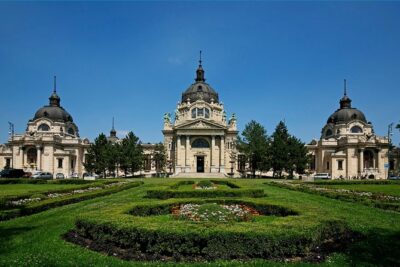
Budapest All in One Small Group Walking Tour with Strudel Stop
Read our review →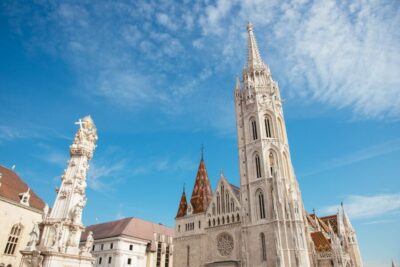
Buda Castle District Walking Tour with a Historian
Read our review →
BloodThirsty Hungary: Walking tour & Dark Historical Stories
Read our review →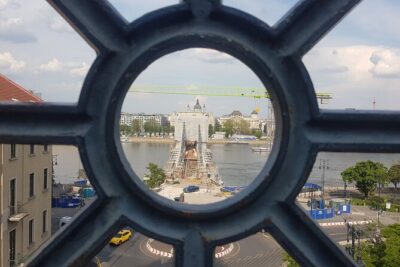
Browse the lists this tour appears in