
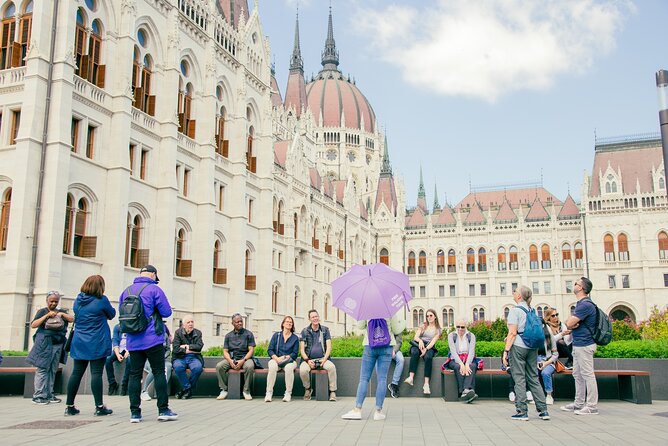
Reviewed · HUNGARIAN PARLIAMENT TOURS
Budapest walking tour: Parliament and Shoes Memorial
The most moving part of this two-hour Budapest walk is the visit to the Shoes on the Danube Bank, a quiet memorial to Jewish people murdered during the Holocaust. The route begins at St. Stephen’s Basilica and ends near Parliament, linking grand buildings, squares, bridges, and difficult chapters of Hungarian history.
I like the small group of up to 10 people, which gives you a real chance to ask questions. I also like the mix of serious history and lighter local stories, plus the useful advice on restaurants, bars, museums, and spas. The main drawback is simple: this is an outdoor walking tour, and the meeting point at the basilica can be hard to spot in a crowded area.
Key points at a glance
- Shoes on the Danube Bank: A short stop with lasting emotional weight and important Holocaust context.
- Parliament finish: You end beside one of Budapest’s most recognizable buildings, with the golden dome and riverside setting in view.
- Small English-speaking group: The group limit of 10 keeps the walk personal and makes questions easier.
- Flat central route: The walk covers Pest’s main sights without the steep climbs found on the Buda side.
- Useful first-day choice: The route helps you get your bearings before choosing which places to revisit.
- Practical local advice: Guides can suggest restaurants, bars, museums, and spas for the rest of your stay.
A compact walk through Budapest’s grand center
This tour covers the Pest side of Budapest in about two hours. It is not built around entering major sights. Instead, you move between them, hearing the stories that connect St. Stephen’s Basilica, the Danube, Parliament, central squares, and the city’s grand architecture.
That distinction matters. You will not receive admission to the Hungarian Parliament Building, and the listed stops are mainly viewed from outside. For a first look at Budapest, though, this format works well. You see a lot in a short time, learn what deserves a closer visit, and avoid spending half a day inside one attraction.
The route is also flat, according to the practical comments about the walk. You should still wear comfortable shoes, since two hours on city pavement can feel longer than two hours on a museum floor.
More Parliament visits:
- Budapest: Parliament Building Entry Ticket and Audio Guide
★ 4.5 · 3,844 reviews - Budapest: Grand City Tour with Parliament Visit
★ 4.4 · 1,598 reviews - Budapest: Guided Tour of the Parliament Building in Spanish
★ 4.6 · 1,240 reviews
Starting at St. Stephen’s Basilica
The meeting point is St. Stephen’s Basilica, Budapest’s largest Roman Catholic church. The tour starts at 11:00 a.m., and the guide spends about 15 minutes explaining the church’s background, stories, and legends before leading the group onward.
Give yourself extra time to find the exact meeting spot. The basilica is a busy place, and the meeting point is not necessarily directly in front of the church. One useful tip is to look around the other side, to the left when facing the front of the basilica.
If you cannot see your guide, ask other walking-tour guides nearby. The area may have several groups gathering at once, including guides carrying different colored umbrellas. Arriving early is the sensible move, especially if you want to begin the tour calmly rather than hunting through the crowd at 11:00.
This opening stop gives you an immediate sense of Budapest’s scale and style. The church is grand, central, and full of visual detail. The guide’s legends add a human touch before the walk turns toward the Danube.
Parliament and the city’s national symbol
The Hungarian Parliament Building is the tour’s visual high point. Its golden dome, pointed details, and riverside position make it one of Budapest’s defining sights. The guide uses roughly 15 minutes here to explain the building and its place in Hungarian identity.
You should be clear about what is included. The tour does not include an admission ticket, so this is an exterior visit. That is not a serious problem if you mainly want photographs, architectural context, and a good introduction. If you want to see the ceremonial interior, you will need to arrange that separately.
Ending near Parliament is useful. You finish at Kossuth Lajos tér, giving you an easy point from which to continue exploring. You can linger by the building, walk along the river, or use the guide’s suggestions to plan the next part of your day.
The Shoes on the Danube Bank
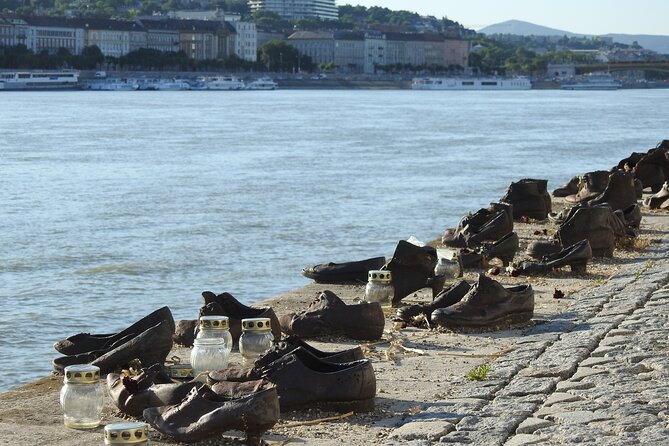
The stop at the Shoes on the Danube Bank lasts about 15 minutes, and it carries more weight than the light sightseeing stops elsewhere on the route. The memorial honors victims of the Holocaust in Budapest through iron shoes placed along the riverbank.
The image is stark. People were ordered to remove their shoes before being killed at the Danube. The empty shoes recall the lives taken and the families left behind. A good guide will give the setting the quiet attention it needs, and the tour description makes clear that this is a central part of the experience, not a passing photo stop.
I would not treat this as just another landmark. Leave room for a sober pause, and make sure children or younger members of your group understand that the memorial marks real suffering. The walk’s mix of architecture, legends, and local tips is enjoyable, but this section asks for a different mood.
More walking tours in Budapest:
- Budapest: Buda Castle Walk with Saint Stephen’s Hall
★ 4.5 · 3,012 reviews - Big Bus Budapest Hop-On Hop-Off Bus and Walking Tour
★ 3.5 · 2,206 reviews - Budapest: Buda Castle District Walking Tour
★ 4.6 · 2,108 reviews - Budapest City Landmarks Walking Tour in 2 Hours
★ 5.0 · 2,048 reviews
Vörösmarty Square and Café Gerbeaud
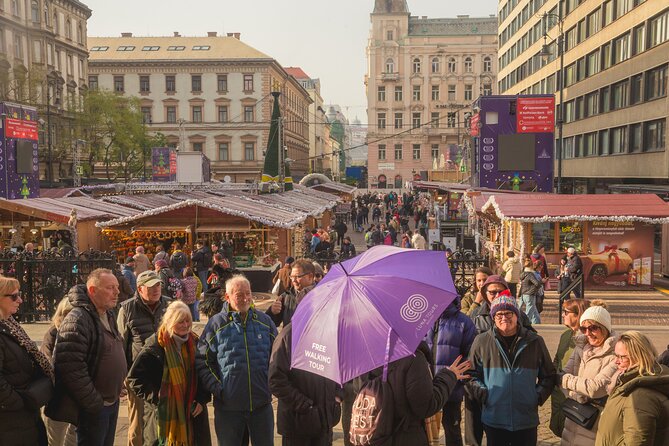
Vörösmarty Square brings the route back into the social heart of central Pest. The square combines older architecture, cafes, and open public space, making it a natural place to watch Budapest life unfold.
The guide spends about 10 minutes here, explaining why the square matters and how it fits into the central Budapest area. This is a quick orientation rather than a long stop, but it helps you understand the layout of downtown.
Nearby, Café Gerbeaud gets another 10 minutes. The cafe is known for its ornate interior, chandeliers, marble, and old-fashioned atmosphere. Its famous Gerbeaud slice is one of the Hungarian sweets associated with the cafe.
You do not need to buy anything for the stop, and café admission is not listed as part of the tour. Think of this as a useful introduction so you can decide later if you want to return for coffee or cake. The short visit gives you the story and setting without turning the tour into a paid tasting.
Crossing the story of Chain Bridge
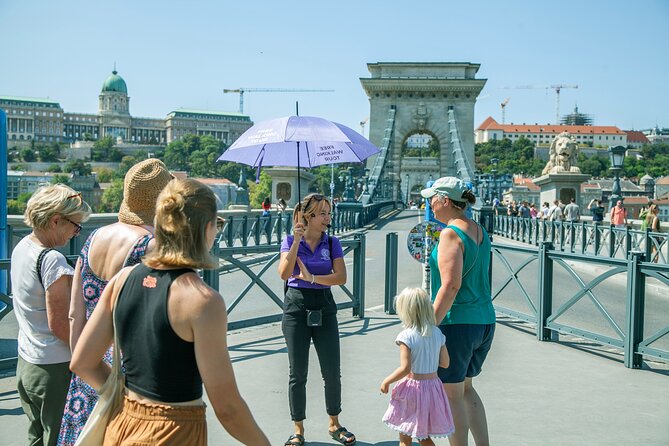
The Széchenyi Chain Bridge is covered for about 10 minutes. Its stone lions and long span make it one of Budapest’s most familiar views, but the guide adds meaning beyond the standard postcard image.
The bridge links Buda and Pest, and its story fits the larger theme of the walk: a city shaped by connection, rebuilding, and change. You hear about its construction and the legends tied to the bridge, while also seeing how the Danube divides and joins the two sides of Budapest.
The tour does not cross into a full Buda sightseeing program. That is important when planning your day. If you want Castle Hill, Matthias Church, or the Fisherman’s Bastion, you will need another outing. This walk gives you the central Pest perspective and points toward the Buda side without attempting to cover everything.
Vigadó and the Hungarian Academy of Sciences
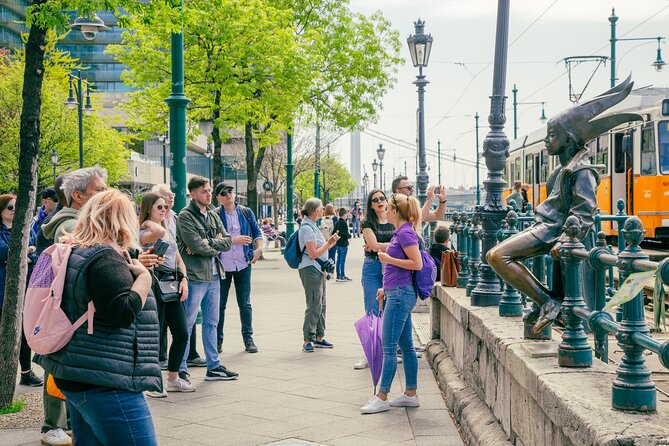
Pesti Vigadó, the grand concert hall on the Danube, receives about 10 minutes. Its Romantic design and cultural past make it a useful reminder that Budapest sightseeing is not only about political buildings and churches.
The guide explains how the hall has hosted important cultural gatherings and continues to serve as a venue for music and events. You view it from outside, so the value comes from the architectural story and the context provided by the guide.
The Hungarian Academy of Sciences follows, also for about 10 minutes. Its neoclassical facade reflects Hungary’s pride in education, language, invention, and research. The discussion may touch on well-known Hungarian contributions such as the Rubik’s Cube and the ballpoint pen.
This is one of the tour’s better features for curious visitors. You are not simply collecting buildings. You are hearing how Hungary presents its intellectual and cultural identity, which gives the city’s grand facades more meaning.
Elizabeth Square and the Danubius Fountain
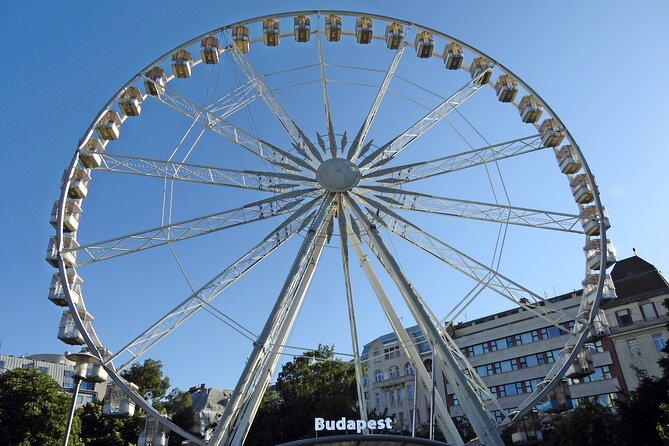
The route then reaches Erzsébet tér, or Elizabeth Square, one of downtown Budapest’s main meeting places. The square is associated with the Budapest Eye Ferris wheel, fountains, and public gatherings.
The stop lasts about 10 minutes, followed by about five minutes at the Danubius Fountain. The fountain uses sculptures to represent the Danube and its tributaries, turning a familiar city feature into a small lesson in geography and symbolism.
These are brief stops, so do not expect a long architectural lecture at each one. Their value is in showing the different faces of central Pest: public space, city recreation, sculpture, and the river that shapes Budapest.
If you are planning to return to the area, listen for the guide’s suggestions. The tour includes personal recommendations for restaurants, bars, museums, and spas, and this central part of the city is a practical place to ask what fits your interests and schedule.
Gresham Palace and the final approach
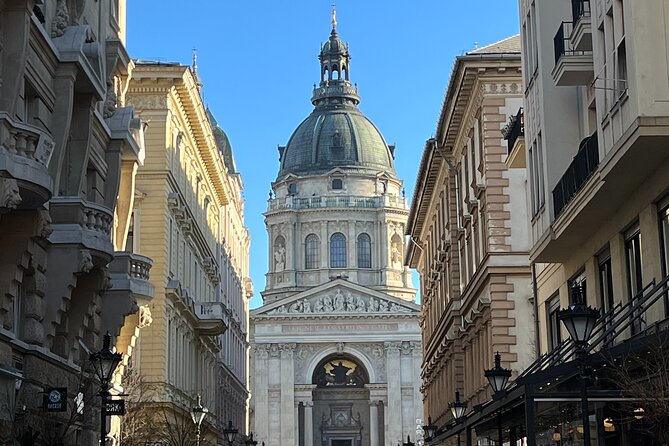
Gresham Palace receives about 10 minutes near the end of the walk. The building is now home to a Four Seasons hotel, but its ornate design and past links to royalty, diplomats, and famous figures give it a story beyond its present use.
The guide may point out names connected with the palace, including Winston Churchill, Queen Elizabeth II, Clint Eastwood, Catherine Zeta-Jones, and Jennifer Lawrence. The building’s appeal is visual as much as historical, with elaborate details that reward a slow look.
From here, the walk continues toward Parliament and the end point at Kossuth Lajos tér. The sequence works well: you move from the lively center, through cultural and riverside landmarks, and finish beside the country’s most important government building.
Why the small group matters
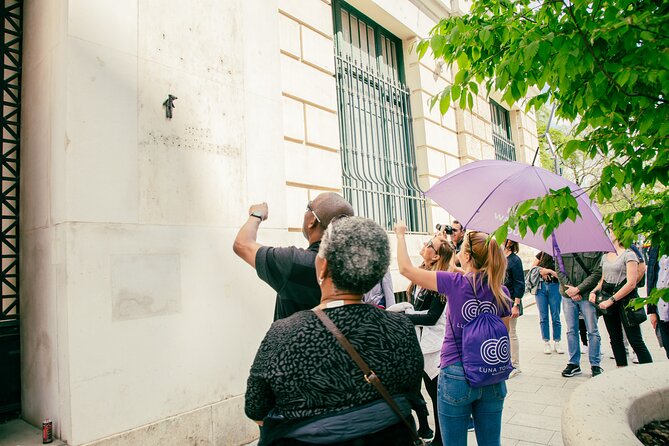
A maximum of 10 people changes the feel of a city walk. You are less likely to be lost in a large crowd, and the guide can check that people at the back can hear. The small size also makes it easier to ask about something that catches your eye.
The guides named in the available comments include Claudia, Geza, and Juan. Claudia is described as warm, funny, and deeply interested in sharing Budapest’s past. Geza is paired with her in one account, while Juan is praised for his friendly manner, humor, and city knowledge. Guide assignments can change, so book with the small-group format in mind rather than expecting a particular person.
The best guides on a walk like this do more than recite dates. They explain legends, invite participation, add humor when the subject allows it, and shift tone at the Shoes memorial. This tour is designed around that kind of conversation, including what it calls no-taboo discussions.
Price, pace, and practical value
At $3.63 per person, the listed price is unusually low for a guided two-hour city walk. Even after setting aside money for a tip, it offers strong value if you want orientation, historical context, and a chance to ask questions.
The price does not cover Parliament entry, food at Gerbeaud, or other purchases. That keeps the base cost low, but you should not mistake the tour for an all-inclusive sightseeing package. You are paying for the guide’s time and the walking route, not for attraction admission.
I especially like this as a first-day activity. It helps you get your bearings fast, shows where central sights sit in relation to one another, and lets you ask what deserves a longer visit. Several guides also offer suggestions for the rest of your stay, which can be more useful than a generic list in a guidebook.
The pace is described as comfortable, but the route includes many stops in two hours. You will spend about 15 minutes at the basilica, Parliament, and the Shoes memorial, with shorter visits at the other landmarks. Anyone who prefers a very slow look at each building may find the schedule brisk.
Who should book this Budapest walk?
This tour suits first-time visitors, solo travelers, couples, and small groups who want a clear introduction to Pest. It is also a good fit if you enjoy history mixed with humor and local stories rather than a strictly academic lecture.
You will get the most from it if you ask questions. Ask about a building you plan to revisit, request a restaurant suggestion, or explain what kind of museum or spa you enjoy. The small group gives you a fair chance to make the walk fit your interests.
It may not suit you if you want to enter Parliament, spend a long time inside churches, or focus on Buda. The route is mainly an exterior sightseeing walk, and the Buda attractions are not part of the advertised path.
The walk is offered in English and includes a mobile ticket. Service animals are allowed, and the information says most people can participate. You should still prepare for outdoor conditions and wear shoes suited to a flat but continuous city walk.
Should you book it?
I would book this tour if you want a low-cost introduction to Budapest with a human guide, a small group, and a serious stop at the Shoes on the Danube Bank. The combination of Parliament, Chain Bridge, the basilica, central squares, and local recommendations gives you a useful first look without taking up an entire day.
Book it early if the date matters to you, since it is commonly reserved about 23 days ahead. Arrive early at St. Stephen’s Basilica, bring tip money, and remember that the Parliament interior is not included.
For the price, the tour makes the most sense on your first day in the city. It will not replace a full Parliament visit or a Buda Castle walk, but it can help you decide exactly which of those experiences belongs next on your Budapest plan.
FAQ
How long is the Budapest walking tour?
The tour lasts approximately two hours.
What time does the tour start?
The start time is 11:00 a.m.
Where does the tour begin?
The meeting point is St. Stephen’s Basilica, Szent István Bazilika, in Budapest’s 1051 postal area.
Where does the tour end?
The walk ends in Budapest at Kossuth Lajos tér, near the Hungarian Parliament Building.
Is the tour offered in English?
Yes. The tour is offered in English.
How large is the group?
The maximum group size is 10 people.
Is entry to the Hungarian Parliament Building included?
No. Admission to the Hungarian Parliament Building is not included.
Can I cancel for a full refund?
Yes. You can cancel at least 24 hours before the start time for a full refund. Cancellations or changes made within 24 hours are not refunded or accepted.
Just added around Budapest
- Budapest: Private, Personalized Pub Crawl, 3 drinks included★ 4.5 · 3 reviews
- Private day trip from Budapest to Bratislava, Vienna, and back★ 3.5 · 3 reviews
- Budapest: Private Adventure Sightseeing Bicycle Tour★ 4.5 · 3 reviews
- Private Danube Bend tour – full day★ 4.5 · 3 reviews
- Budapest Old Jewish Quarter History Private Walking Tour★ 5.0 · 3 reviews
- Lake Balaton Full Day Private Wine Tour★ 5.0 · 3 reviews
- Budapest: Guided City Walking Tour in Buda and Pest★ 5.0 · 3 reviews
- Budapest Urban Feast – Food Tour with Wine Tasting & Coffee House★ 4.5 · 3 reviews
Hungarian Parliament Tours, compared.
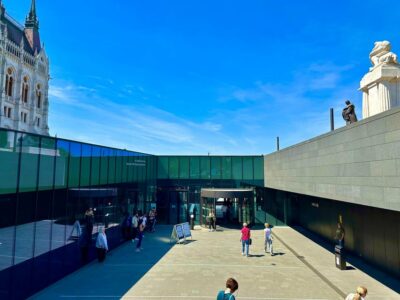
Parliament Building Entry Ticket and Audio Guide
Read our review →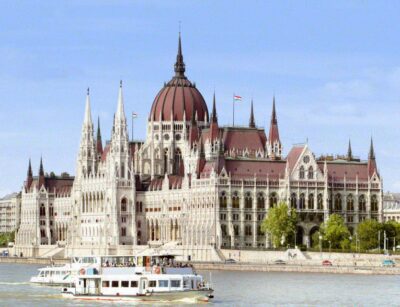
Guided Tour of the Parliament Building in Spanish
Read our review →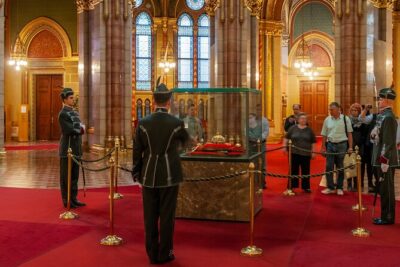
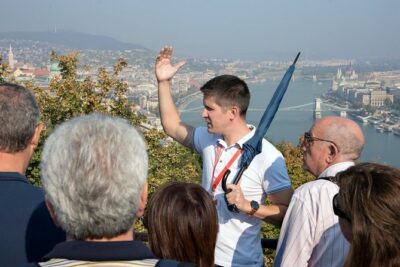
Budapest Guided Half-Day Grand City Tour with Parliament Visit
Read our review →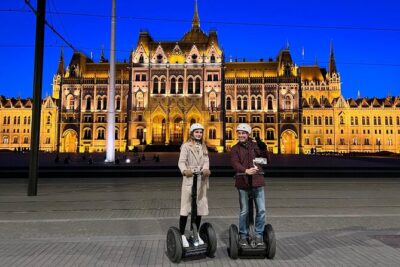
1 Hour Budapest Segway Tour – Parliament Hightails
Read our review →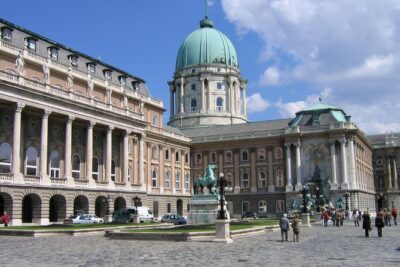
5 Hours Private Budapest First Class Tour with Parliament option
Read our review →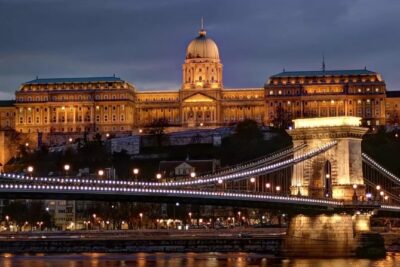
Budapest Parliament Audio Guide Tour with Danube Cruise
Read our review →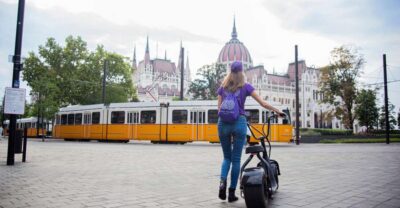
Top sights of Pest downtown on e-scooters incl. Parliament
Read our review →Browse the lists this tour appears in